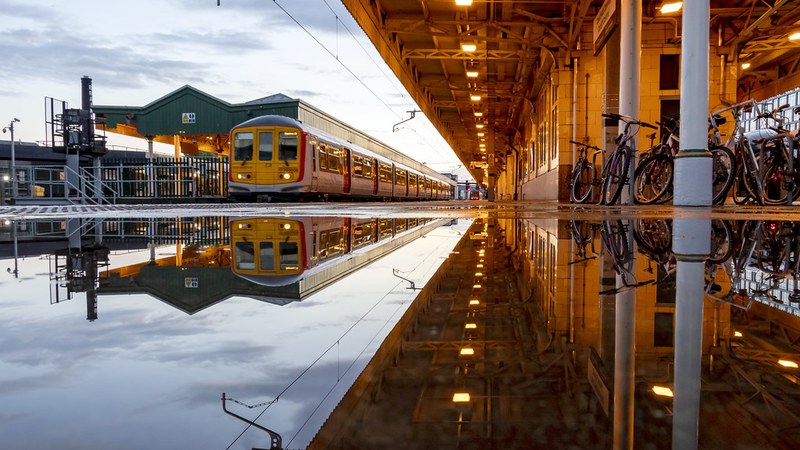
Transport Secretary Heidi Alexander apologised for the unacceptable service provided by East Midlands Railway (EMR) during summer 2026, attributing disruptions to reliability and maintenance problems with the new Aurora (Class 810) train fleet.
Service disruptions, strike action, and timetable changes in 2026
The Aurora fleet, manufactured by Hitachi Rail, began operating in December 2025 but soon faced ongoing technical issues. EMR temporarily reduced its Intercity timetable from London St Pancras to 87% in July 2026, causing cancellations, fewer carriages, overcrowding, and passenger delays during peak summer months.
RMT union members representing EMR staff initiated strike action in July 2026, with planned 24-hour walkouts on 16 and 17 September later
called off following talks. However, an “action short of strike” remains, resulting in possible short-notice service alterations and cancellations. EMR gradually increased service levels to 92% on 1 September 2026 and aims to reach 96% from 19 October 2026.
Renationalisation plan and financial rationale
EMR’s current contract core term expires on 18 October 2026, allowing the Department for Transport (DfT) to commence transfer to public ownership without penalty. The full renationalisation of EMR is scheduled for March 2027 as part of the UK government’s broader rail reforms under the new Great British Railways (GBR) structure.
The government projects annual savings of £150 million by ending
payments to private rail operators. Other rail firms already publicly owned include Great Anglia and South Western Railway. Avanti West Coast services also face nationalisation from March 2027.
Causes behind the disruption and challenges faced
Reliability issues with the Aurora Class 810 fleet and a three-year delivery delay have directly contributed to EMR’s reduced service levels. Hitachi Rail is responsible both for manufacturing and maintaining the Aurora and existing Class 222 fleets. EMR’s capacity to run a consistent Intercity service has been significantly affected.
The government acknowledges that renationalisation alone will not solve all problems, including driver shortages, delays, cancellations, and punctuality, which require sustained investment in
infrastructure and rolling stock.
Official statements on accountability and improvements
Heidi Alexander stated, “I recognise people have received an unacceptable service this summer and I apologise for that. It’s not good enough.” She emphasised that renationalisation is not an immediate fix but a long-term structural reform requiring improvements before public ownership begins.
Alexander added, “So we’ve been clear with East Midlands Railways that, prior to that private company coming into public ownership next year, they have to improve the quality of the service that people are receiving.” She reiterated the government’s commitment to strengthening rail infrastructure and services.
An EMR spokesperson expressed regret over disruptions linked
to the reduced timetable and Aurora fleet issues, citing delays in train deliveries and the impact on operations. The company confirmed increasing service levels back to 92% of the Intercity timetable and plans to raise this to 96% from 19 October while working closely with Hitachi Rail and the DfT.