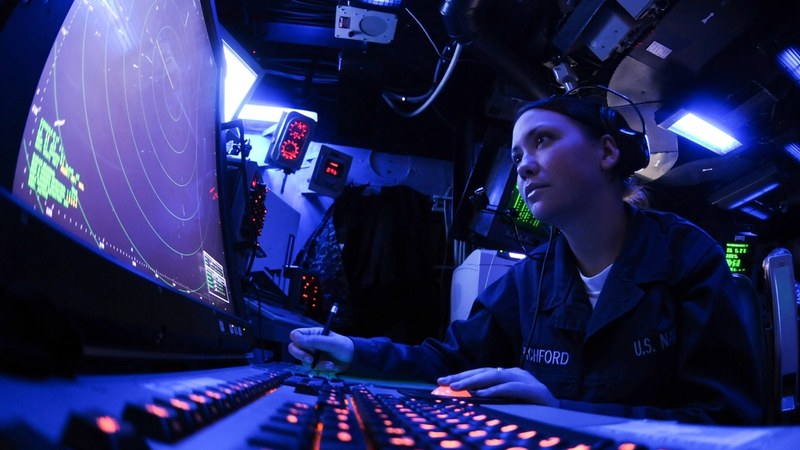
On Monday, September 21, 2026, a severed Verizon fiber optic cable at a New Jersey construction site caused an equipment outage at the Philadelphia Terminal Radar Approach Control facility. This facility, responsible for managing arrivals and departures for multiple major airports, lost key communication links used by the Federal Aviation Administration (FAA) to control Northeast airspace.
Ground Stops Ordered at Multiple Major Airports
The outage led the FAA to impose ground stops and safety restrictions that limited air traffic movement. Major Northeast hubs affected included Newark Liberty International Airport, Philadelphia International Airport, Teterboro Airport, John F. Kennedy International Airport, and LaGuardia Airport. Boston Logan International Airport also
experienced secondary effects, as it received diverted flights and faced additional congestion under challenging weather conditions.
Flight Delays and Cancellations Surge at Newark, Philadelphia, and Boston
Newark Liberty International Airport recorded more than 1,000 flights delayed or canceled on Monday. At the peak disruption, average departure delays exceeded five hours. Philadelphia halted arrivals for most of the day with ground stops in place until late afternoon. Even after lifting ground stops, Philadelphia faced average delays of two hours or more. JFK and LaGuardia airports reported hundreds of delayed or canceled flights, with some airborne aircraft diverted. Boston Logan experienced over 400 flight delays and dozens of cancellations on Monday, driven
by diversions from New York and New Jersey airports.
Passenger Disruptions and Airline Responses
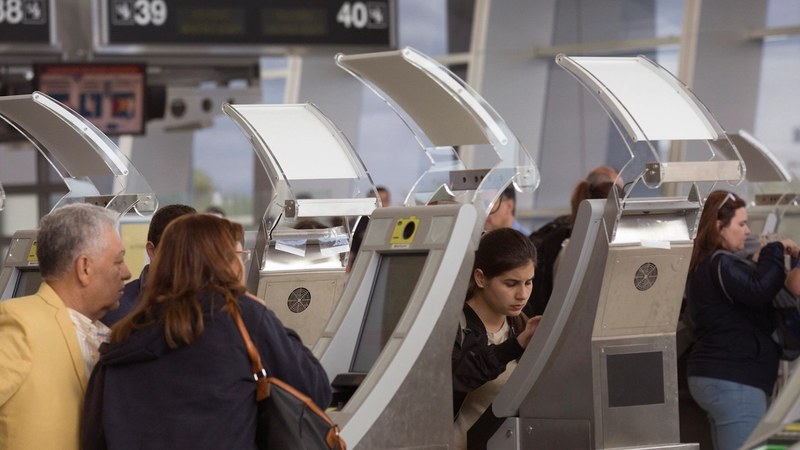
Thousands of flights were affected across the Northeast US, causing extensive scheduling and operational disruptions. Passengers faced lengthy waits both onboard grounded planes and in terminals due to crew duty limits and aircraft repositioning challenges. United Airlines’ Newark hub was particularly impacted. Airlines provided flexible rebooking options and waivers to travelers navigating extended delays, missed connections, and some overnight disruptions. Local airport representatives urged travelers to monitor flight statuses carefully and allocate extra time for travel.
Repairs Complete but Delays Persist into Tuesday
By Monday evening, responsible officials announced the repair of damaged telecommunications lines, enabling the FAA
to lift ground stops at Philadelphia and Newark. However, to manage residual congestion, ground delay programs remained active. Flight tracking data on Tuesday indicated delays and cancellations continued, especially at Philadelphia and Newark, as airlines addressed displaced equipment, repositioning, and crew availability constraints.
Infrastructure Vulnerabilities Highlighted
This incident renewed focus on the vulnerability of critical US aviation infrastructure. The Philadelphia Terminal Radar Approach Control facility, which has experienced past outages and frequency issues, was central to the disruption. Authorities and analysts noted that the loss of redundancy in communication channels due to a single damaged fiber cable revealed systemic risks in the region’s
dense air traffic system.
Official Advisories for Travelers
Transportation officials confirmed the restoration of communications and gradual return to normal operations. Yet, airport authorities and airlines across the region advised travelers to remain alert to ongoing schedule changes. Boston airport officials reported significant operational strain from diversions and warned of possible continued disruptions.