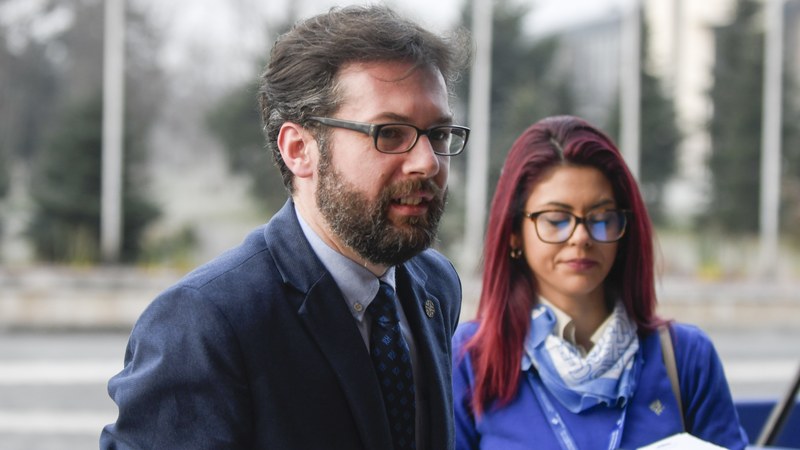
Jamaica’s Minister of Tourism, Edmund Bartlett, called for a US$10 billion Global Tourism Resilience Fund while speaking at the World Economic Forum in Geneva. The fund aims to bolster Small Island Developing States and highly tourism-dependent economies against shocks and support recovery.
Global Tourism’s Economic Impact
Bartlett highlighted travel and tourism’s substantial global contribution, with the sector adding US$11.6 trillion to the world economy and supporting 366 million jobs in 2025, based on World Travel & Tourism Council data. This represents nearly one-tenth of global output and one in nine jobs.
Tourism 3.0: A New Model from Jamaica
Jamaica promotes Tourism 3.0, a strategy that redefines tourism success beyond visitor arrivals
and revenue. The model integrates national domestic sectors like agriculture, manufacturing, and culture with the visitor economy to boost local ownership and resilience. Bartlett emphasized measuring tourism’s value by the prosperity and security it creates for local communities rather than traditional metrics alone.
The Tourism Workers Pension Scheme, enacted in 2019 and launched in 2022, is a key element protecting worker security across occupational categories and self-employed workers. The Jamaica Centre of Tourism Innovation has trained and certified over 25,000 tourism workers to foster professional competence and career advancement.
Strengthening supply chains is another priority, with the Tourism Linkages Network
linking local producers to tourism businesses. The Agri-Linkages Exchange (ALEX) facilitated more than J$450 million in agricultural produce sales in 2024 by connecting farmers directly with hotels and buyers.
Resilience and Recovery Initiatives in Jamaica
Jamaica established the Global Tourism Resilience and Crisis Management Centre at the University of the West Indies in 2019 to provide ongoing research and training in crisis response. The reopening of the Royalton Negril hotel in August 2026 following Hurricane Melissa restored employment for hundreds of workers, exemplifying resilience in practice.
Bartlett stressed that tourism must be central to discussions on economic security, food systems, infrastructure, and the future of work.
He advocated for investments that benefit residents and communities, stating, “Sustainability becomes real when investment improves the destination for the people who call it home.”
The Local First initiative, established in 2025, aims to increase Jamaican participation in tourism supply, ownership, and earnings through enabling policies and new logistics infrastructure.
Bartlett said, “I come before you with a conviction born of Jamaica’s experience: tourism belongs at the nucleus of global development,” underlining the vital role of tourism in sustainable growth and the need for global support mechanisms such as the proposed resilience fund.