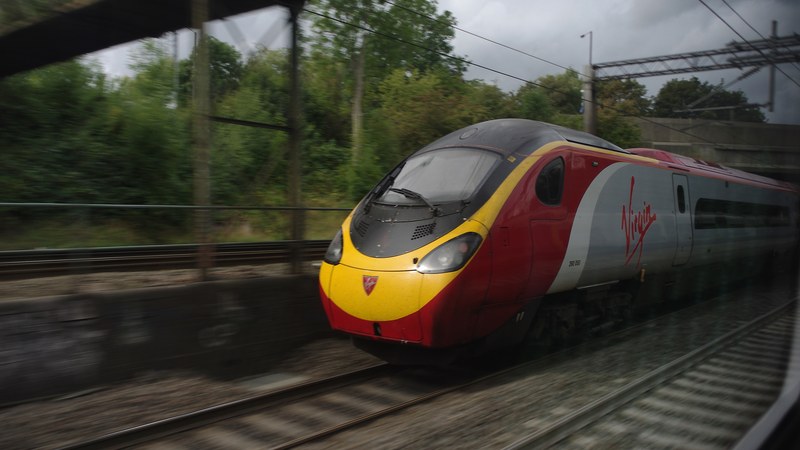
The UK rail regulator, Office of Rail and Road (ORR), has granted Virgin Trains track access to operate up to 20 daily return high-speed services between London and mainland Europe starting in 2030. This approval covers routes from London St Pancras to Paris, Brussels, and Amsterdam, marking the end of Eurostar’s 30-year monopoly on cross-Channel passenger rail services.
Track Access and Route Details
The ORR’s agreement allows Virgin Trains to run services on the High Speed 1 (HS1) railway line between London St Pancras and the Channel Tunnel from October 1, 2030, through December 31, 2040. Virgin Trains plans to operate the same routes as
Eurostar: London to Paris, Brussels, and Amsterdam. The new operator has already secured access to share Eurostar’s Temple Mills depot in east London for train maintenance and storage, a facility uniquely accessible from HS1.
Regulatory Approvals and Operational Requirements
While the track access on the UK side is approved, Virgin Trains must still obtain permissions for tunnel access and clearance to run on rail networks in mainland Europe. Additionally, the operator requires safety certifications from the ORR and related European Union regulators before services can commence. Virgin’s current approval strictly applies to the HS1 section within the UK, with further negotiations ongoing with Eurotunnel owner
Getlink and European authorities.
Investment, Fleet, and Employment
Virgin Trains has placed an order for 12 trains from French manufacturer Alstom as part of a £700 million investment in the cross-Channel project. The initiative is expected to generate approximately 400 jobs in the UK. The company, previously known for running intercity routes such as London to Glasgow, has expressed commitment to introducing competitive services and customer experience innovations on these international routes.
Background on Eurostar and Market Context
Eurostar, controlled by the French state-owned SNCF and formerly part-owned by the UK government, has been the sole passenger train operator through the Channel Tunnel since its 1994 opening. It currently operates
about 30 daily services from London but has faced criticism for high ticket prices and reducing its international network by ending routes from Ashford and Ebbsfleet in Kent. This expansion by Virgin Trains responds to growing UK demand for international rail travel.
Official Statements
Richard Branson, Virgin Trains founder, described the move as “time to end this 30-year monopoly and bring some Virgin magic to the cross-Channel route.” A Virgin Group spokesperson added, “Our plans for a new London – Europe rail service from 2030 are moving at pace. We welcome the ORR’s pre-approval of our track access agreement and the opportunity
to bring competition and Virgin’s award-winning customer experience to the Channel tunnel.”
Martin Jones, ORR deputy director of access and international, stated, “This is an important next step in bringing competition and growth to the market for international rail services, and we welcome the progress Virgin Trains and London St Pancras High Speed have made.” A London St Pancras High Speed spokesperson expressed support: “We look forward to working with Virgin as it progresses its plans to launch services, helping deliver sustainable growth and connectivity between the UK and Europe.”
Eurostar acknowledged the development, saying, “This confirms the huge potential
for growth in international rail and the ambition across the industry to bring more passengers to Europe by train. Eurostar will play a full part in that growth, and our focus remains on delivering our own ambitious plans, investing in our fleet and carrying 30 million passengers a year.”