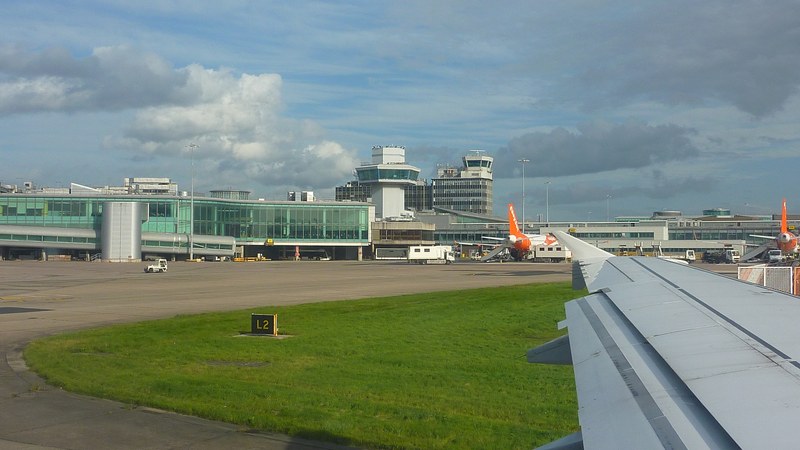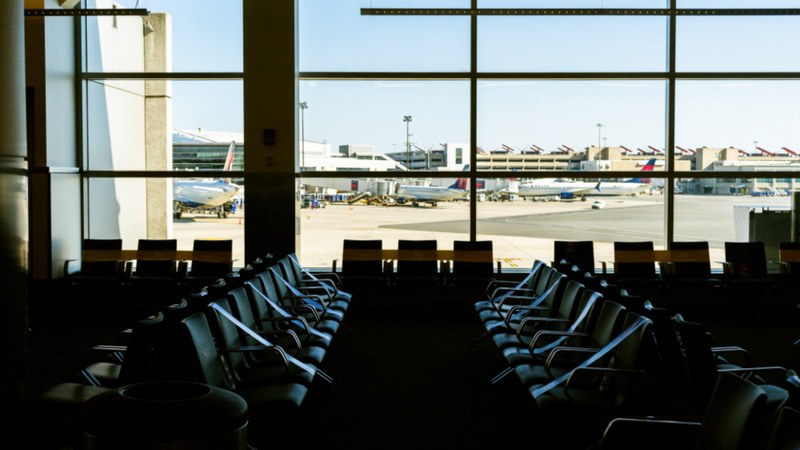
More than 150 flights were delayed at Sydney Airport on August 8, 2026, affecting departures and arrivals across both international and domestic terminals. The disruptions included about 95 delays within the Qantas network, with roughly 25 of those on QantasLink flights. Virgin Australia flights operating to and from Sydney also experienced delays.
Operational Causes Behind Sydney Airport Delays
The delays were caused by roster constraints in the air traffic control tower managed by Airservices Australia. Due to challenges in rostering sufficient controllers, Airservices enacted departure spacing measures to manage air traffic movement rates. This staffing shortage has hampered the efficient handling of flights at Sydney Airport.
Airservices Australia is working to address these issues by enhancing its training pipeline to add more controllers and improve roster flexibility. The organisation plans to introduce 95 new air traffic controllers in 2026 to boost staff capacity and reduce similar disruptions.
Statements from Airservices Australia and Industry Officials
An Airservices Australia spokesperson acknowledged the implementation of departure spacing and its impact on flight schedules. The spokesperson said, “Airservices acknowledges the ATFM [Air Traffic Flow Management] measures may cause some disruptions to airline scheduling and is working with airlines to reduce delays and the impact on passenger travel as much as possible.”
Stephen Beckett, CEO of Airlines for
Australia and New Zealand, said Airservices Australia continues to face challenges in rostering enough controllers, stating, “We understand that they are again struggling to have enough people rostered on in the air traffic control tower to keep the air service operating efficiently.” He added that delays affect both international and domestic flights across the network.
Federal Minister for Transport Catherine King criticized Airservices Australia’s management of disruptions: “They cause significant challenges to passengers, staff and airlines.” She confirmed her office has requested an explanation and a plan for service improvements from Airservices. Minister King also highlighted the ongoing difficulty in
recruiting and training air traffic controllers despite growing travel demand.
Passenger Impact and Flight Delays
Passengers faced delays sometimes exceeding one hour, particularly on flights to destinations such as the Sunshine Coast and Melbourne. On August 7, 2026, Airservices Australia had applied air traffic flow management measures that forced some flights to spend more than an hour waiting on the tarmac.
Sydney travellers expressed frustration with the prolonged wait times. Passenger Suzanne Baker, flying to the Sunshine Coast, described the situation as “a real nuisance” and criticized the shortage of air traffic controllers. She cited the difficulty for her disabled husband who had to wait
outside the terminal for more than an hour.
Another passenger, Louise, whose Melbourne-bound flight was delayed by about an hour, said such delays were common and stressed the need for proper staffing to avoid ongoing disruptions, especially for families travelling with children.
Sydney Airport’s Role and Industry Challenges
Sydney Airport is the largest and busiest in Australia, making delays there impactful on the entire national and international air travel network. Stephen Beckett underscored the significance of Sydney Airport to the broader aviation system, noting that delays at this hub reverberate across the country and overseas.
Recruitment and training of new air traffic controllers remain complex and
time-consuming, compounded by increased demand for air travel following recent growth trends. Airservices Australia’s efforts to expand controller training and improve roster management are ongoing but have not yet fully alleviated pressure on the system.