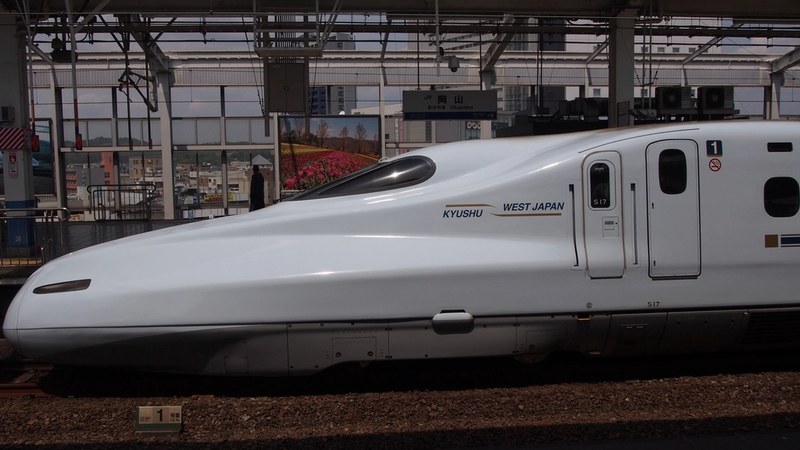
Japan’s national government confirmed on July 15, 2026, its preferred route option to extend the Hokuriku Shinkansen line south from Tsuruga to Shin-Osaka, selecting the Wakasa Route originally chosen in December 2015. This route runs southwest from Tsuruga through Obama and Maizuru, tunnels under the Tanba Highlands alongside the western shore of Lake Biwa, and passes about 5 km west of Kyoto station.
The Hokuriku Shinkansen line reached Kanazawa from Tokyo in March 2015 and was extended by 125 km from Kanazawa to Tsuruga in March 2024. Route discussions for extending the line to Osaka began in 2012 among the
Ministry of Land, Infrastructure, Transport and Tourism (MLITT), the Japan Railway Construction, Transport and Technology Agency (JRTT), and local authorities. Three routes were assessed before confirming the Wakasa Route, which is the shortest but costliest of the options. Detailed route and station location information was published in August 2024.
To address environmental concerns raised by Kyoto authorities regarding tunneling risks to groundwater and heritage sites, the government plans to build an underground transport hub near Katsuragawa, about 5 km west of Kyoto’s city center, instead of routing the line directly under Kyoto station. This Katsuragawa interchange will connect with local
rail and metro services, offering a 10-minute journey to Kyoto station.
The 139 km extension includes a 34 km tunnel near Kyoto and is estimated to cost ¥5.5 trillion (US$34 billion). Financing will rely on access payments from JR Group operators using the line, targeting coverage of at least 75% of construction expenses. Currently, the cost-sharing ratio between the national government and local authorities stands at 2:1 but is expected to be adjusted to reduce the local financial burden. Additionally, Japan’s International Tourism Tax on foreign visitors will support the funding model.
MLITT and JRTT anticipate beginning detailed design and
environmental reviews soon, aiming for construction to start as early as fiscal year 2027. Civil works are projected to span a minimum of 26 years, with the earliest possible opening date delayed until 2054. The new extension will reduce travel time between Kanazawa and Shin-Osaka to approximately 1 hour and 21 minutes.