India is preparing to introduce its inaugural high-speed rail line along the Mumbai-Ahmedabad corridor by 2028. The 508-kilometer route will connect Mumbai in Maharashtra with Ahmedabad in Gujarat, marking the country’s first dedicated bullet train corridor.
Japanese Collaboration and Indigenous Bullet Train Technology
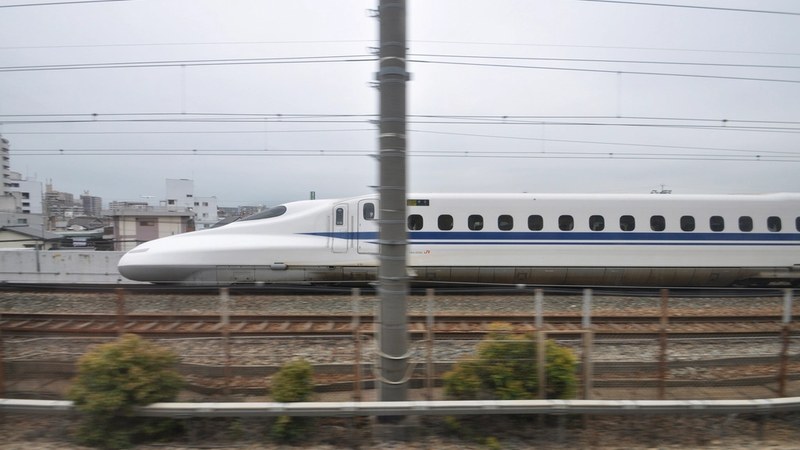
The National High-Speed Rail Corporation Limited (NHSRCL) is leading the development of the project with cooperation from Japan. The bullet trains operating on this corridor will incorporate technology inspired by Japan’s Shinkansen system, while featuring domestically produced train sets.
Reduced Travel Times and High Operating Speeds
The new high-speed trains will operate at speeds of up to 320 kilometers per hour, reducing the current travel time of over six hours between
Mumbai and Ahmedabad to approximately two hours. This marks a substantial improvement in transit efficiency on the route.
Key Infrastructure Components Including Undersea Tunnel
The corridor will feature significant engineering structures such as India’s first undersea rail tunnel, elevated railway sections, and advanced signaling systems designed specifically for high-speed travel, enabling safe and efficient operations.
Construction Challenges Delay Full Operation
Construction progress has been delayed due to land acquisition issues, engineering complexities, and infrastructure development requirements. The initial phase is expected to open partially in the Gujarat section before the complete 508-kilometer route becomes operational.
Expansion Plans for a Nationwide High-Speed Rail Network
India has identified seven high-speed rail corridors covering over 4,000 kilometers beyond the Mumbai-Ahmedabad line. Other
planned routes include Delhi–Agra-Lucknow-Varanasi, Mumbai-Nagpur, Delhi–Ahmedabad, Chennai-Bengaluru-Mysore, Delhi–Amritsar, and Mumbai-Hyderabad. The approximately 800-kilometer Delhi–Varanasi corridor is poised to follow as the next development.
Expected Impact on Travel and Economic Connectivity
The high-speed rail corridor will improve access between Mumbai, a financial hub, and major cities in Gujarat such as Ahmedabad, Vadodara, and Surat. It is expected to facilitate weekend travel, business tourism, and regional exploration, enhancing connectivity between two of India’s largest economic centers.