India’s Mumbai-Ahmedabad High-Speed Rail Corridor is moving toward its planned commencement of operations by August 2027, integrating domestic train manufacturing and global signalling standards developed in collaboration with Japan.
Domestic Bullet Trains Drive Project Progress
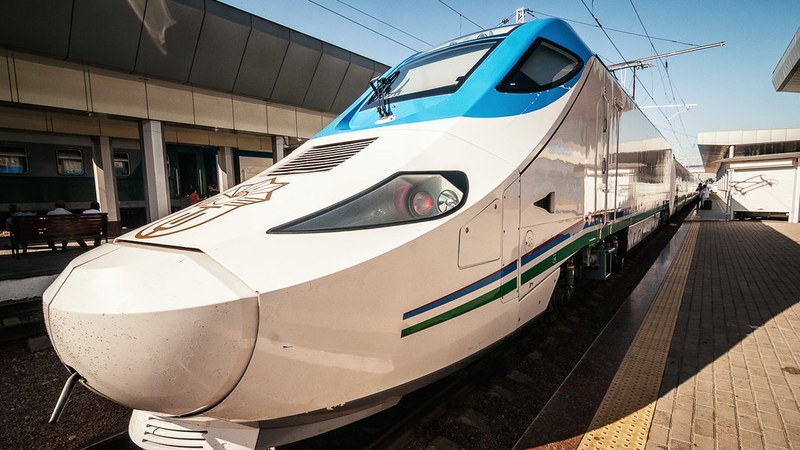
BEML Limited has been contracted by Integral Coach Factory (ICF), Chennai, with a Rs 866.87 crore contract to manufacture two prototype eight-coach bullet trainsets for the corridor. These trains have an initial design speed of 280 km/h, with prospects to increase up to 350 km/h. BEML has established the ‘Aditya’ High-Speed Rail Complex in Bengaluru dedicated to this manufacturing effort. The trains will be air-conditioned chair cars equipped with advanced passenger
amenities such as infotainment systems, reclining and rotatable seats, and accessibility features for divyangjans.
Open-Source Signalling Replaces Japan’s Proprietary System
The signalling technology chosen for the corridor is a globally interoperable open architecture system, selected after thorough technical and commercial evaluation involving Indian and Japanese officials. This represents a shift from Japan’s proprietary DS-ATC signalling system traditionally used on Shinkansen lines. The decision followed the absence of suitable signalling proposals from Japanese vendors in accordance with the project’s timelines. Signalling systems and the operational control center were identified as long-lead components critical to the corridor’s timely completion.
Continued Japanese Technical Cooperation
Since construction began in 2021, Japanese technical experts under
the oversight of Japan’s Ministry of Land, Infrastructure, Transport and Tourism remain actively engaged in design approvals, quality assurance, construction methods, and safety. The project applies Shinkansen-inspired safety and operational standards, ensuring high-speed rail benchmarks are met. Japan has also provided financial support through an Official Development Assistance loan via the Japan International Cooperation Agency (JICA).
Surat-Vapi Section Leads Construction and Testing
Civil works on the approximately 97-kilometre Surat to Vapi segment of the corridor are expected to be completed by 2026. This stretch will be the first operational segment, with indigenous bullet train testing planned for mid-2027. Commercial service commencement for the Mumbai-Ahmedabad corridor is
targeted for August 2027, aligning with infrastructure development schedules and technology readiness milestones.
Senior project officials confirmed that the coordination between India and Japan continues smoothly despite some external political criticism, emphasizing the collaboration on shared goals for the corridor’s success. Officials also highlighted that Japan is phasing out its E5 series trains worldwide, and the newer E10 series, which could be relevant for India’s future, is projected to enter service in Japan by 2032 and in India by 2034.
Travelers on the Mumbai-Ahmedabad route will eventually benefit from reduced travel times, safety enhancements, and modern passenger conveniences enabled by
advanced trains and signalling technology. The corridor represents a significant bilateral infrastructure partnership, combining Japanese high-speed rail expertise with India’s growing manufacturing sector.