East Midlands Railway (EMR) has announced an indefinite reduction in train services on key intercity routes following ongoing issues with its new Class 810 Aurora train fleet introduced in December 2025. The reductions and cancellations began from the Monday prior to 17 July 2026 after the operator ran a reduced timetable for two weeks citing warm weather as a factor.
Services and Routes Affected
The service cuts impact intercity trains running between London St Pancras and cities including Leicester, Nottingham, Lincoln, Derby, and Sheffield on the Midland mainline. The Independent reported cancellations of nearly 20 fast trains daily connecting London with Sheffield and Nottingham
starting from 20 July 2026, with other services operating with fewer carriages.
Passengers holding tickets on cancelled trains are entitled to use up to two trains before or after their original booking or claim a full refund, according to EMR. The operator has not specified how long the reduced timetable will remain in place.
Background on Class 810 Fleet and Performance Issues
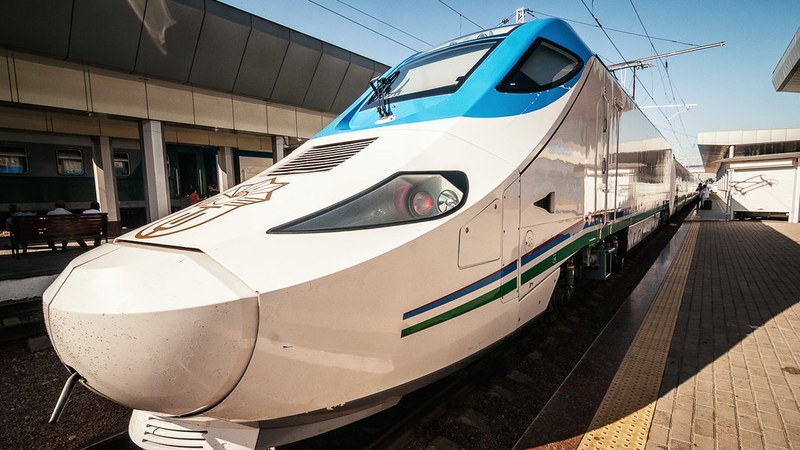
The Class 810 trains, built by Hitachi Rail, were delayed by three years before entering passenger service in December 2025. The fleet is intended to replace the older Class 222 trains and support smoother operations on intercity routes.
Will Rogers, EMR’s managing director, stated: “The performance
of the Class 810 fleet has fallen below the levels we and our customers expect, and it is necessary to introduce a temporary reduced timetable while we work with the manufacturer, Hitachi Rail, to improve consistency in service.”
An EMR spokesperson added that although the new trains met all safety and regulatory approvals prior to service entry, ongoing technical, reliability, and maintenance problems on both the Class 810 and existing Class 222 fleets have severely affected EMR’s ability to run a dependable intercity service.
Hitachi Rail confirmed that over a third of the Class 810 fleet has been delivered and
that it is investing in additional testing at the Long Marston Rail Innovation Centre. The company said it continues to work closely with EMR and other industry partners to implement improvements and support the fleet rollout through 2026 and 2027.
Operational Impact and Recovery Efforts
EMR has acknowledged the disruption and expressed regret for the impact on passengers and staff. Rogers noted the challenges frontline staff face in maintaining customer service amid persistent reliability issues.
The operator’s reduced timetable had been in place for two weeks before the wider cancellations were imposed. Although warm weather conditions contributed to recent disruptions, the main cause remains the
unresolved technical and maintenance problems associated with the new fleet.
EMR plans a controlled introduction of more Class 810 trains throughout 2026 and 2027 while continuing to operate both old and new fleets under Hitachi’s maintenance support.