Europe experienced widespread flight disruptions on 18 July 2026, with 57 flights cancelled and nearly 1,920 delayed across multiple countries including England, Spain, the Netherlands, Germany, Russia, and Denmark. London Heathrow reported the highest number of cancellations among all airports.
Major Airports Face Intense Disruptions
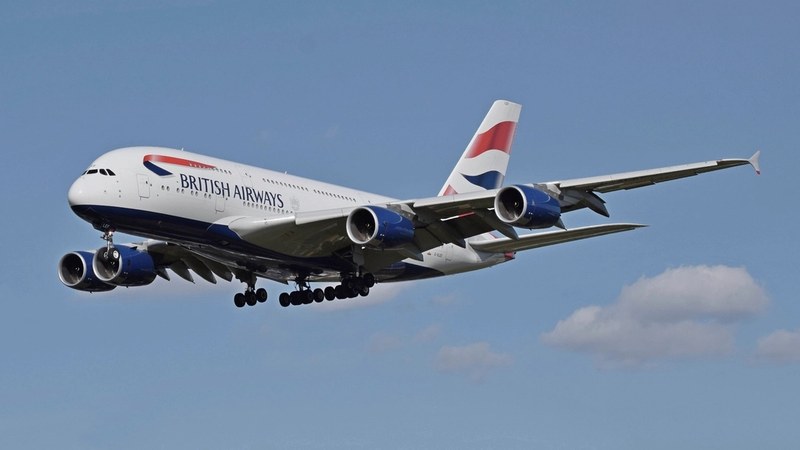
London Heathrow led the cancellations and disruption figures with a significant number of British Airways flights affected. Madrid-Barajas airport recorded 171 delayed flights and 2 cancellations, with Iberia encountering 42 delays. Frankfurt reported the highest number of delayed flights, primarily impacting Lufthansa operations, while Amsterdam Schiphol suffered from congested traffic affecting KLM and other airlines. Other airports with substantial disruptions
included Munich, Berlin Brandenburg, London Gatwick, Copenhagen, Vnukovo, Palma de Mallorca, and Moscow.
Airlines Most Affected by Cancellations and Delays
British Airways experienced the largest share of cancellations, with 18 flights cancelled across London Heathrow, Madrid-Barajas, and Palma de Mallorca. KLM reported 11 cancellations mainly at Amsterdam Schiphol and some at Berlin Brandenburg. Lufthansa registered 8 cancellations distributed between Frankfurt and Munich, and led the tally of delayed flights. EasyJet and Lufthansa were responsible for over 460 delayed flights together. Other airlines affected included Air Dolomiti, Virgin Atlantic, Swiss, Emirates, Etihad Airways, Iberia, Condor, Discover, City Airlines, Ryanair, Eurowings Europe, Vueling Airlines, Jet2, Transavia Airlines, Air Baltic,
and Delta Air Lines.
Operational Challenges and Middle East Airspace Restrictions
Delays and cancellations resulted from local operational constraints, aircraft rotations, and airport congestion. Compounding these issues were ongoing Middle East airspace restrictions caused by renewed military escalation involving the United States and Iran. Missile and drone threats in the Gulf, along with attacks on shipping in the Strait of Hormuz, have compelled airlines to avoid segments of the region, fly longer routes, or reduce Middle East services altogether. These factors have reduced scheduling flexibility and increased operational pressure on European carriers.
Traveler Impact and Network Effects
Thousands of passengers faced extended waits, missed connections, and itinerary changes at key European hubs.
Airports like Frankfurt, Munich, Madrid, Palma de Mallorca, London, Amsterdam, Copenhagen, Berlin, and Moscow saw significant traveler disruption amid a busy holiday travel season. The interconnected nature of Europe’s aviation network magnified the operational issues at hubs such as London Heathrow, Frankfurt, Munich, Amsterdam Schiphol, and Madrid-Barajas, causing ripple effects across the continent’s flight schedules. With airlines managing both congested airports and rerouted flights, travelers experienced extensive delays on 18 July 2026.