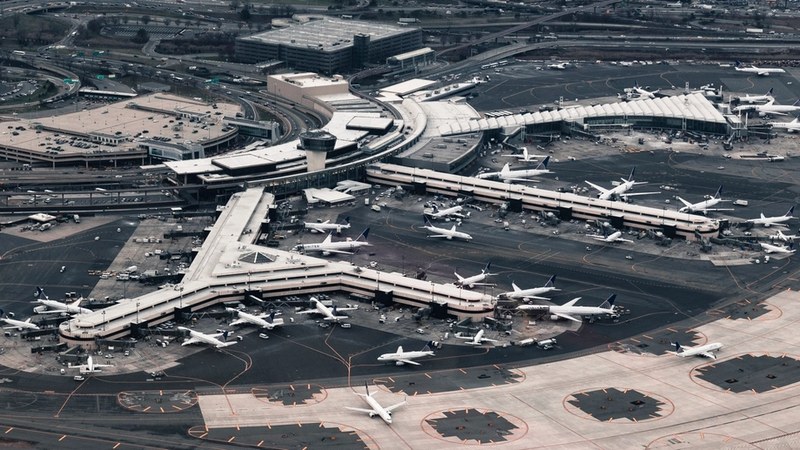
On July 17, 2026, the United States air travel system faced widespread disruption with 4,896 flights delayed and 126 cancelled nationwide. Chicago O’Hare was the hardest hit airport, registering over 801 delays and 17 cancellations. Other major airports that reported significant flight disturbances included Dallas-Fort Worth, Hartsfield-Jackson Atlanta, Orlando, San Francisco, San Diego, Seattle-Tacoma, New York JFK, and Newark Liberty.
Airline Delays and Cancellation Totals
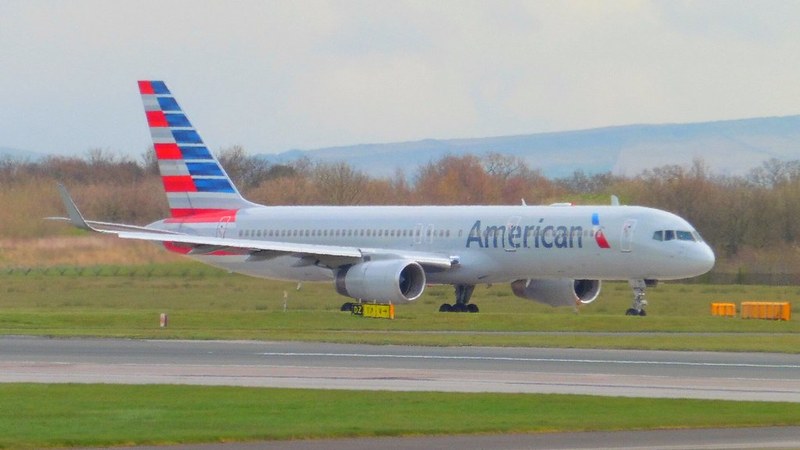
Southwest Airlines recorded the highest delay volume with 866 delayed flights and 9 cancellations. American Airlines followed closely with 850 delays and 11 cancellations, impacting key hubs such as Dallas-Fort Worth and Chicago O’Hare. SkyWest reported 434 delays and led
all airlines in cancellations with 21 flights cancelled. United Airlines had 434 delays and 4 cancellations, with many affected flights passing through major hubs including Chicago O’Hare and Newark.
Causes of the Disruptions
The Federal Aviation Administration attributed the disruptions to staffing shortages and air traffic control issues compounded by wildfire smoke drifting south from Canadian wildfires. This smoke reduced visibility particularly in the Northeast US, impacting the New York metropolitan airports including JFK, LaGuardia, and Newark. Reduced visibility required greater spacing between arriving and departing aircraft, slowing air traffic and contributing to delays that propagated across the national airspace.
Air Quality and Event Impacts
Wildfire smoke also degraded
air quality across parts of New York, New Jersey, Chicago, and Detroit, leading to hazardous air quality advisories. MetLife Stadium in New Jersey, set to host the 2026 FIFA World Cup Final, faces challenges due to current outdoor air conditions affected by the smoke. The stadium, which will hold approximately 82,500 spectators, will be exposed to these smoky conditions during the event.
Traveler Impact and Network Effects
Thousands of passengers experienced long delays and cancellations at the most affected airports, including Chicago O’Hare, Dallas-Fort Worth, Hartsfield-Jackson Atlanta, Orlando, San Francisco, San Diego, New York JFK, and Newark Liberty. As critical connecting hubs, delays at these
airports caused ripple effects throughout airline networks nationwide, increasing operational complexity and extending disruptions to other regions.