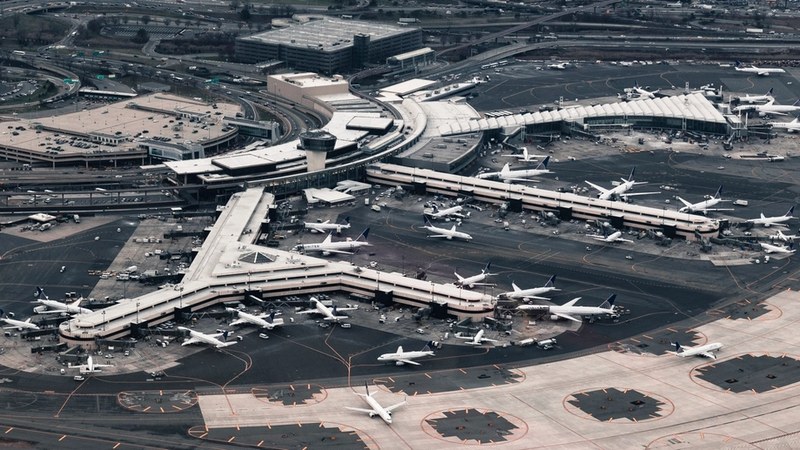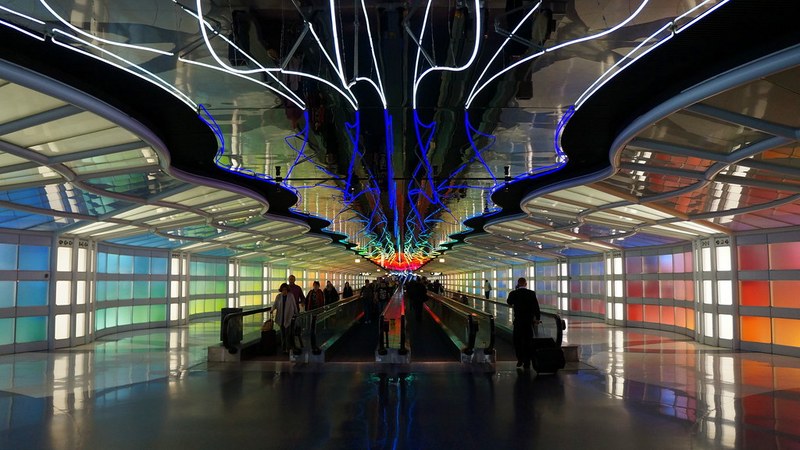
On July 17, 2026, 4,896 flights were delayed and 126 cancelled across the United States, with Chicago O’Hare airport reporting the highest disruption rates. Major airports in Dallas-Fort Worth, Atlanta, Orlando, San Francisco, New York JFK, and Newark Liberty also experienced widespread delays and cancellations. Airlines such as Southwest, American, United, and SkyWest faced significant operational challenges during the day.
Airport and Airline Disruptions
Chicago O’Hare led all airports with 801 flight delays and 17 cancellations. Hartsfield-Jackson Atlanta International Airport recorded 420 delays and 16 cancellations, while Orlando reported 216 delays and 5 cancellations. San Francisco International Airport had 213 delays and 7 cancellations,
and San Diego recorded 182 delays with 12 cancellations. New York JFK and Newark Liberty airports saw respectively 115 delays and 4 cancellations, and 87 delays and 4 cancellations. Dallas-Fort Worth also experienced significant disruptions, though exact figures were not specified.
Among airlines, Southwest Airlines reported the most delays nationwide with 866 delayed flights and 9 cancellations. American Airlines followed with 850 delays and 11 cancellations, impacting key hubs including Dallas-Fort Worth and Chicago O’Hare. SkyWest carried 434 delays alongside the highest cancellation count of 21 flights. United Airlines documented 434 delays and 4 cancellations, many affecting Chicago O’Hare and
Newark Liberty hubs.
Wildfire Smoke Causes Reduced Visibility and Flight Disruptions
The primary cause of these widespread flight disruptions was wildfire smoke drifting southward from Canada. This smoke reduced visibility across major parts of the Northeast, specifically around the New York metropolitan area, including JFK, LaGuardia, and Newark airports. Reduced visibility required increased spacing between arriving and departing aircraft, which slowed air traffic flow and contributed to extensive delays.
Air quality in affected areas also deteriorated due to the smoke, prompting hazardous air quality advisories in New York, New Jersey, Chicago, Detroit, and Midwest regions. The combination of poor visibility and degraded air quality compounded operational challenges across
the affected airports.
Traveler Impact and Regional Advisories
Travelers at major hubs in Chicago, Dallas, Atlanta, Orlando, San Francisco, New York, and Seattle faced flight delays and cancellations on July 17, 2026. These impacts affected both domestic and international passengers. Airport operations continued despite smoke presence, notably at JFK and Newark Liberty, although schedules experienced significant disruptions.
Hazardous air quality conditions extending across the Midwest and Northeast raised concerns for public health and contributed to adjustments in air traffic management. Passengers in impacted states such as California, New York, Florida, and New Jersey encountered unpredictable schedules throughout the day.
Impact on Major Events and Airline Networks
Civilian and sporting events also faced
consequences from the smoke. MetLife Stadium in New Jersey, scheduled to host the 2026 FIFA World Cup Final with an expected attendance of approximately 82,500 spectators, was affected by the same smoky air compromising outdoor conditions. This raised concerns about air quality exposure for players, officials, and fans during the event.
Delays and cancellations at key connecting hubs such as Chicago O’Hare, Dallas-Fort Worth, Atlanta, and New York intensified network disruptions. Delays originating at these airports propagated throughout the airline networks operated by Southwest, American, United, Delta, SkyWest, and Frontier Airlines, exacerbating operational challenges nationwide.
Data Verification and Sources
Flight disruption statistics were compiled
using FlightAware data updated through 3:24 pm ET on July 17, 2026, and verified by editorial cross-checking. Recorded figures reflect active airspace real-time conditions and may differ slightly from gate-reported statuses at local terminals.
Travelers and industry observers continue to monitor ongoing developments as recovery from these disruptions progresses throughout affected regions.