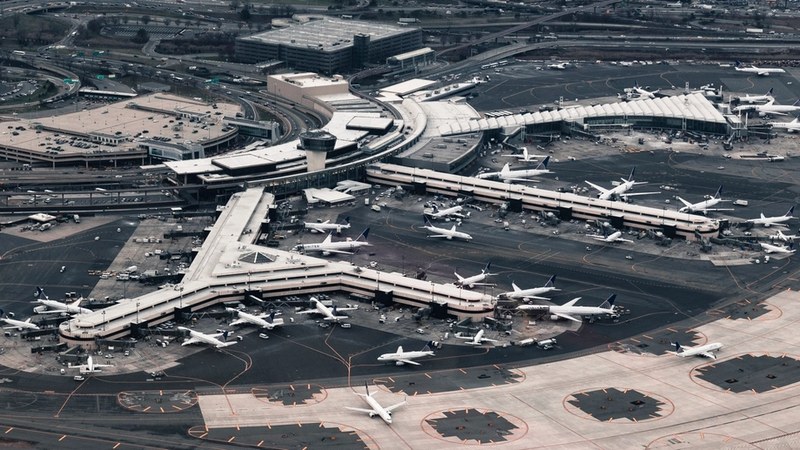
On July 18, 2026, the U.S. aviation system experienced widespread disruption with 4,896 flights delayed and 126 flights canceled nationwide. Chicago O’Hare International Airport recorded the most severe impact, reporting 801 delays and 17 cancellations. Other affected airports included Hartsfield-Jackson Atlanta International Airport with 420 delays and 16 cancellations, Orlando International Airport registering 216 delays and 5 cancellations, San Francisco International Airport with 213 delays and 7 cancellations, and San Diego International Airport recording 182 delays and 12 cancellations. New York’s JFK Airport faced 115 delays and 4 cancellations, while Newark Liberty International Airport logged 87 delays and 4 cancellations.
Airlines with Most Delays and Cancellations
Southwest Airlines experienced the highest number of delayed flights on July 18, with 866 delays and 9 cancellations across its domestic network. American Airlines followed closely with 850 delayed flights and 11 cancellations, largely impacted by disruptions at its Dallas-Fort Worth and Chicago O’Hare hubs. SkyWest Airlines reported 434 delays and led all carriers in cancellations with 21 flights canceled. United Airlines saw 434 delays and 4 cancellations, with many impacted flights routing through Chicago O’Hare and Newark Liberty.
Geographic Spread and Hub Impact
Disruptions affected multiple U.S. states, including California, New York, Florida, New Jersey, Texas, Georgia, Illinois, and Ohio. Major connecting airports such
as Dallas-Fort Worth, Chicago O’Hare, Hartsfield-Jackson Atlanta, and New York area airports served as focal points for cascading delays. The interconnectivity of these hubs contributed to nationwide flight disruptions, impacting both domestic and international schedules.
Causes: FAA Staffing and Wildfire Smoke
Federal Aviation Administration staffing shortages contributed significantly to air traffic control delays across multiple key hubs. Compounding these operational challenges was reduced visibility caused by smoke drifting south from Canadian wildfires. The smoke notably affected the New York metropolitan area, diminishing visibility around JFK, Newark, and LaGuardia airports. This required air traffic controllers to increase spacing between arriving and departing aircraft, slowing traffic flow and
adding to delays. The wildfire smoke also deteriorated air quality in parts of New York and New Jersey, with related health advisories in place.
Traveler Impact and Ongoing Schedule Uncertainty
Passengers traveling through the most affected airports faced significant delays and cancellations. Travelers in California, New York, Florida, New Jersey, Illinois, Georgia, Texas, and Ohio were among those most disrupted. Passengers connecting through hubs like Chicago O’Hare, Dallas-Fort Worth, Atlanta, and New York encountered schedule changes that reverberated through the national network. Flight operations continued to adjust throughout the day, with schedules remaining subject to further change due to ongoing operational challenges and environmental conditions.