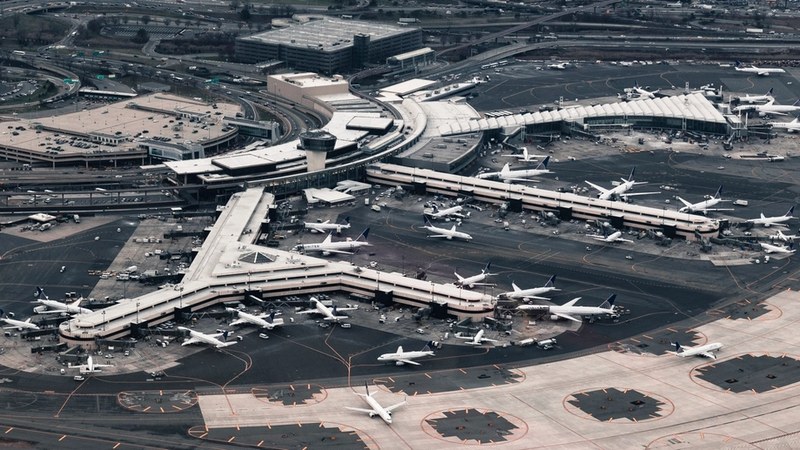
On July 17, 2026, the United States faced 4,896 flight delays and 126 cancellations nationwide, severely impacting major airports such as Chicago O’Hare, Dallas-Fort Worth, Hartsfield-Jackson Atlanta, Orlando, San Francisco, New York JFK, and Newark Liberty.
Airlines with Highest Delays and Cancellations
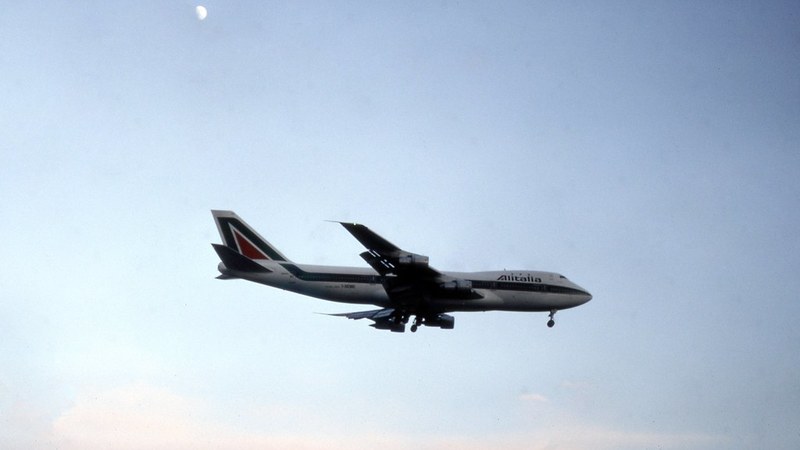
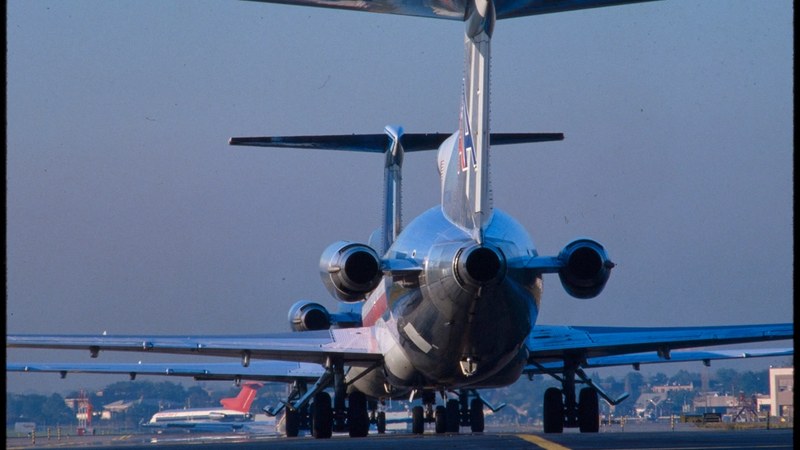
Southwest Airlines recorded the highest number of delays with 866 delayed flights and 9 cancellations. American Airlines also faced significant disruptions, reporting 850 delays and 11 cancellations primarily at major hubs including Dallas-Fort Worth and Chicago O’Hare. SkyWest experienced 434 delays and led cancellations with 21 flights canceled. United Airlines matched SkyWest for delays at 434 but had fewer cancellations with 4.
Geographic Impact and Environmental Cause
Flight operations
across California, New York, Florida, New Jersey, Texas, and Georgia were influenced by wildfire smoke drifting south from Canada. The smoke reduced visibility in key airspace regions covering the Midwest, Northeast, Mid-Atlantic, and parts of the US air traffic network, complicating flight scheduling and leading to widespread travel disruptions.
Operational Effects at Major Hubs
Chicago O’Hare Airport reported the most severe operational disturbances with 801 delays and 17 cancellations. Hartsfield-Jackson Atlanta Airport, one of the world’s busiest, saw 420 delays and 16 cancellations. Orlando had 216 delays with 5 cancellations; San Francisco, 213 delays and 7 cancellations; and San Diego reported 182 delays alongside 12
cancellations. New York metropolitan airports JFK and Newark Liberty experienced 115 and 87 delays respectively, with 4 cancellations each. Reduced visibility forced air traffic controllers to increase spacing between flights, slowing operations and causing delays throughout the national network.
Traveler Impacts and Event Considerations
Passengers at major airports including Chicago O’Hare, Dallas-Fort Worth, Atlanta, Orlando, and New York’s JFK and Newark airports are affected by ongoing delays and cancellations. Hazardous air quality advisories were issued across affected regions, including New York and New Jersey. The smoky conditions raise health concerns for airport workers, travelers, and attendees of outdoor events such as the 2026 FIFA World
Cup Final scheduled at MetLife Stadium in New Jersey, which will expose roughly 82,500 spectators to outdoor air conditions potentially compromised by wildfire smoke.
Airports remained operational despite visibility restrictions, though flight schedules continue to be disrupted as airlines manage delays and cancellations amid complex weather-induced challenges.
Data Verification and Monitoring
The flight disruption statistics are based on data aggregated via FlightAware and verified by editorial sources as of 3:24 pm ET on July 17, 2026. These figures reflect active airspace conditions but may slightly differ from terminal gate operations. Flights across major connecting hubs contributed to a nationwide cascade of delays affecting thousands
of passengers and multiple carriers including Southwest, American, United, and SkyWest airlines.