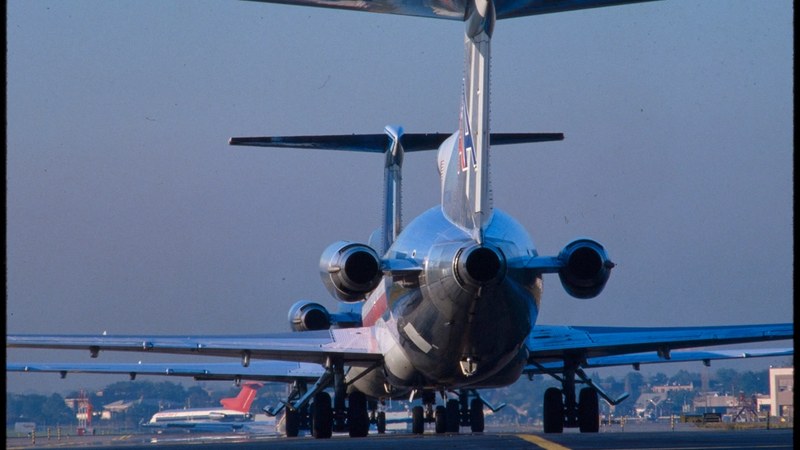
Germany and Switzerland issued a travel advisory in July 2026 for the summer travel period warning passengers of heightened airport congestion, longer queuing times, and intensified biometric border checks. Increased passenger volumes, severe thunderstorms, longer flight routes avoiding conflict-affected airspace, and air traffic control restrictions across Central Europe have contributed to widespread flight delays and operational challenges.
Major airports and biometric technology deployment
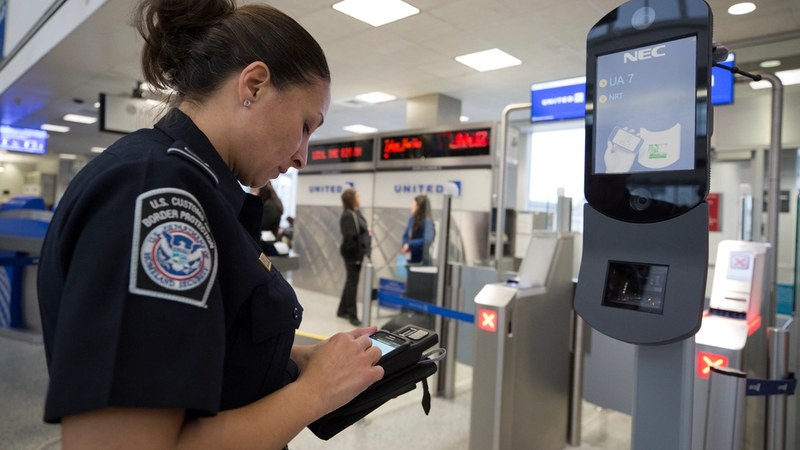
Passengers passing through Germany’s Frankfurt and Munich airports and Switzerland’s Zurich Airport face extended wait times amid the busiest summer travel season Central Europe has seen. Airlines like Lufthansa and SWISS apply facial recognition and automated border management systems in conjunction with traditional
passport controls to handle border processing. Airport authorities dynamically redistribute passengers between staffed immigration counters and biometric gates to manage fluctuating passenger flows.
Operational adaptations to manage congestion
To mitigate disruption from congestion and weather-related delays, airport teams at Frankfurt, Munich, and Zurich continuously adjust aircraft parking stands, boarding gates, and departure slots. These measures aim to optimize operational efficiency and prevent cascading delays across the European aviation network. Lufthansa and SWISS strongly advise travelers to download their official mobile apps for real-time notifications on gate changes, boarding times, and flight status updates to respond promptly to operational changes.
Traveler instructions and connection advice
Passengers should arrive at airports earlier
than usual and allow extra time for check-in, security, and immigration, especially at peak travel times. Biometric facial recognition helps speed border control but staff may redirect travelers between automated and manual processing depending on passenger volumes and operational needs. Airlines recommend additional connection time for international transfers, especially if a terminal change is required or flights are booked on separate tickets, which carry higher risks of missed connections.
Technological context and impact on travel infrastructure
The travel advisory highlights the growing role of biometric technology and digital communication in managing high seasonal demand at Europe’s busiest airports. Despite airport operational challenges, the tourism infrastructure in cities
like Berlin, Munich, Hamburg, Zurich, Geneva, and Lucerne remains fully functional with rail services, accommodations, and cultural sites operating normally. The advisory focuses strictly on airport processing issues without affecting broader tourism services.