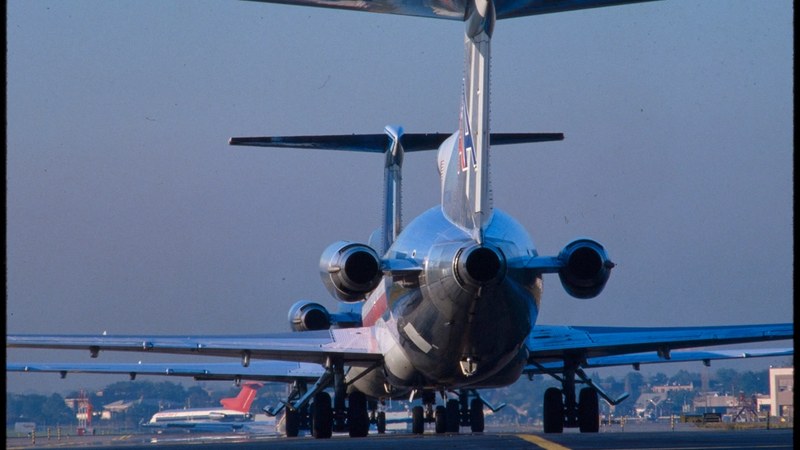
More than 4,500 flights scheduled today at New York area airports are delayed or cancelled, primarily due to severe weather and staffing shortages. The disruptions affect flights operating through JFK, Newark, and LaGuardia airports.
JFK Airport, Newark Airport, and LaGuardia Airport are all experiencing significant operational challenges. Passengers at these key hubs face widespread schedule changes, cancellations, and delays impacting both domestic and international flights.
Middle East Flight Suspensions and Resumptions Amid Security Concerns
Flight disruptions in the Middle East persist as airlines continue assessing routes based on geopolitical tensions between the United States and Iran. Although much of the region’s airspace has reopened, airlines maintain suspensions, reduced frequencies,
or postponed resumptions on key routes.
Delta Air Lines plans to restart New York (JFK) to Tel Aviv flights on September 6 but keeps its Atlanta to Tel Aviv service suspended through December 18. Air France resumed services to Tel Aviv on July 3 and Dubai on July 8, with Riyadh flights resuming in June. SunExpress will restart Antalya-Dubai flights on July 15.
Lufthansa and SWISS extended suspensions of Dubai flights until September 13. The broader Lufthansa Group has halted operations to Abu Dhabi, Muscat, Riyadh, Dammam, Amman, Beirut, Tehran, and Erbil until October 24. British Airways postponed return of
Doha services until August 1 and Riyadh operations until August 8, with Dubai, Bahrain, Amman, and Tel Aviv flights scheduled for October 25. Singapore Airlines extended suspension of Singapore-Dubai flights until August 2.
Air Canada has cancelled flights to Dubai and Tel Aviv until October 24, while airBaltic has suspended Dubai services through the same date. Wizz Air paused flights to Dubai, Abu Dhabi, and Amman from mainland Europe until mid-September. Cathay Pacific aims to resume Dubai and Riyadh flights starting September 1. Japan Airlines suspended Tokyo-Doha flights until the end of August. Finnair cancelled Doha flights until October 2
and avoids airspace over Iran, Iraq, Syria, and Israel.
Background on Middle East Airspace and Flight Uncertainties
Recent tensions following US and Israeli strikes on Iran prompted temporary airspace closures and flight cancellations. An interim memorandum of understanding signed in June ended active hostilities and sought to ensure safe commercial passage through the Strait of Hormuz. However, unresolved disagreements over the waterway’s management continue to affect negotiations and airline operations.
These geopolitical uncertainties maintain pressure on airlines, resulting in cautious resumption of services and ongoing route suspensions. Airlines adjust schedules based on security assessments and government advisories, slowing full recovery of Middle East air travel.
Travel Advisories and Airport Operations
Airports in Dubai
operate below normal capacity as some European carriers delay flights despite partial reopening of regional airspace. Passengers flying to or through the Middle East should expect schedule modifications, reduced flight frequencies, and possible rerouting depending on the airline.
Due to ongoing operational adjustments, travelers should verify flight status with their airline prior to departure and consult official travel advisories. Although conditions have improved compared with peak disruptions, many routes will remain affected through the coming months.