Germany and Switzerland issued a joint travel advisory on 14 July 2026, warning travelers of increased airport queues and flight delays at major hubs in Central Europe amid intensified biometric screening and operational changes. The advisory highlights that passenger screening and border control measures may take longer during peak summer travel periods.
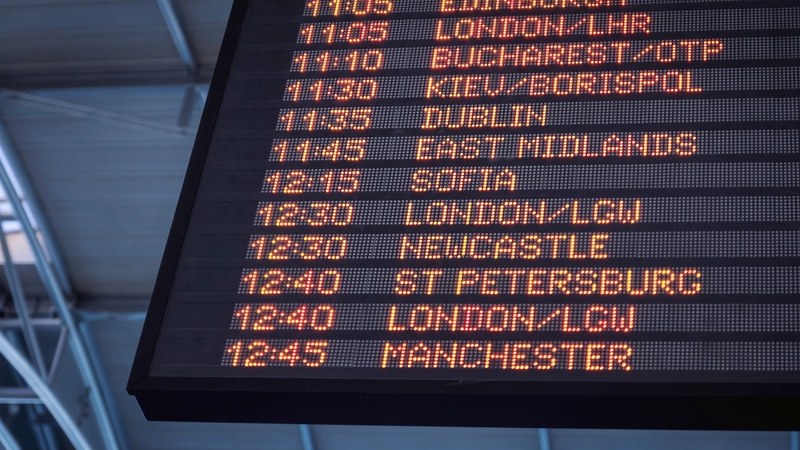
Frankfurt Airport and Munich Airport in Germany, along with Zurich Airport in Switzerland, are experiencing longer wait times as airlines including Lufthansa and SWISS rely on official mobile applications to provide real-time updates about gate changes, boarding times, and flight delays. Airports have integrated automated biometric gates alongside
traditional passport controls, dynamically redirecting passengers to manage volumes and maintain security.
The surge in flights and passenger numbers is compounded by weather-related disruptions such as severe thunderstorms, extended routing due to conflict-affected airspace, and air traffic control restrictions throughout Central Europe. These factors cause operational delays that can cascade across the continent, affecting connections, baggage transfers, and aircraft schedules.
Passengers traveling through Frankfurt, Munich, and Zurich airports are advised to use airline apps to receive live updates and activate notifications. Extra connection time is recommended, particularly for international transfers requiring passport control or changing terminals. Travelers should verify that
passports, boarding passes, and visas are ready upon arrival at the airport.
Airport authorities in Germany and Switzerland use a flexible approach to passenger processing by shifting individuals between biometric lanes and manual passport inspection to optimize flow and reduce wait times. This method adjusts dynamically to changing peak demands during the 2026 summer season.
While these operational challenges affect airport processing and flight schedules, major European destinations including Berlin, Munich, Hamburg, Zurich, Geneva, and Lucerne remain fully operational, with tourism infrastructure unaffected. Most travelers continue to reach their destinations, although they must accommodate longer wait times and possible schedule
changes.
The joint advisory underscores the complexity of travel through Central Europe’s busiest airports this summer and calls for traveler vigilance and flexibility to mitigate disruptions during the ongoing peak demand period.