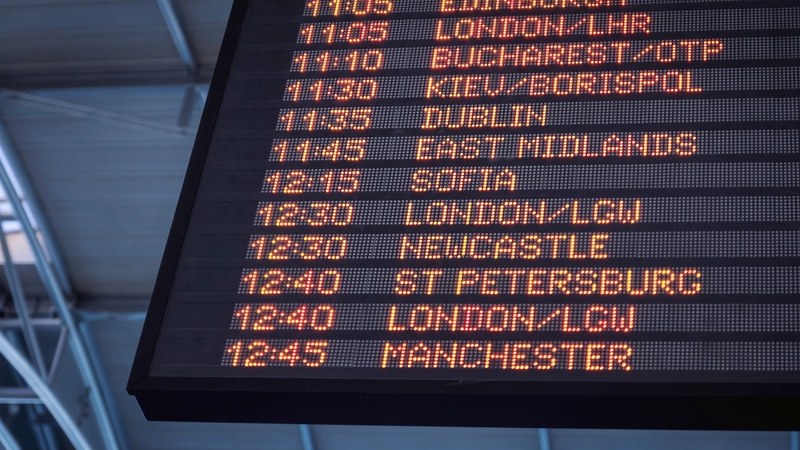
Germany and Switzerland have issued a travel advisory on 14 July 2026 due to increased airport queues, flight delays, and biometric identity checks affecting key hubs during the 2026 summer travel season. Passengers at Frankfurt Airport, Munich Airport, and Zurich Airport may encounter longer wait times for check-in, security, and immigration processing amid peak travel demand.
Operational Challenges Causing Delays
Strong holiday travel demand in Central Europe has driven airlines like Lufthansa and SWISS to operate near full capacity during summer 2026. Flight schedules face disruptions from severe thunderstorms, rerouted flights avoiding conflict-affected European airspace, and air traffic control restrictions. These factors combine to
increase congestion and delays, which can cascade through connecting flights, baggage transfers, and aircraft rotations across the region.
Airline and Airport Responses
Lufthansa and SWISS recommend travelers download their official mobile applications to access real-time updates on gate changes, boarding times, connections, and delays. Airports at Frankfurt, Munich, and Zurich continually adjust aircraft parking slots, gates, and departure schedules during heavy traffic to optimize passenger flow and aircraft movement. Passengers should rely on electronic notifications and airport displays rather than printed boarding passes, as operations may shift rapidly.
Immigration Processing and Biometric Systems
Germany and Switzerland use a combination of automated border management systems and traditional passport controls. Non-European
Union travelers should expect extended processing times at immigration. Biometric technology, including facial recognition and electronic passport verification, is increasingly integrated to expedite border crossing. Border authorities redirect passengers between automated biometric lanes and staffed counters to balance queue lengths and operational demand while maintaining security standards.
Traveler Recommendations
Travelers are advised to allocate extra time for check-in, security screening, and immigration during the summer peak. Valid passports, accessible boarding documents, and fulfilled visa requirements remain essential. Particularly for international transfers involving passport control or terminal changes, allowing additional connection time reduces risks of missed flights. Booking flights via a single airline
or alliance offers greater protection against the impacts of operational changes.
Despite airport challenges, major European cities including Berlin, Munich, Hamburg, Zurich, Geneva, and Lucerne remain fully operational with active rail services, hotels, museums, and tourist attractions.