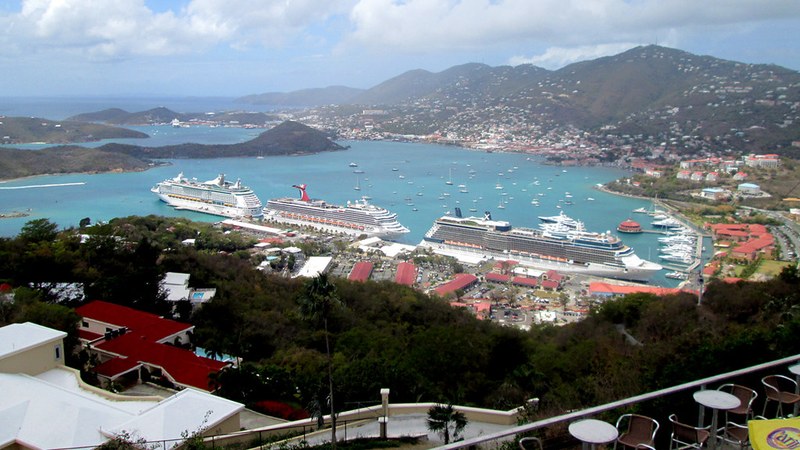
In early July 2026, the Scarlet Lady, a Virgin Voyages ship chartered by Atlantis Events, was denied port entry first by Turkey and then by Egypt, affecting roughly 2,000 passengers onboard.
The ship was scheduled for a 10-day itinerary sailing from Athens to Venice, including stops at Turkish ports Istanbul and Kuşadası, and the Egyptian port of Alexandria. After Turkey refused docking rights citing incompatibility with societal and moral values, Egypt also denied the ship access to Alexandria days later. These cancellations forced the ship to reroute to Chania, Crete on Friday and Montenegro on Sunday.
Official Responses from Turkey and Atlantis Events
The Turkish government’s official
statement said the cruise was chartered by “groups known for behaviours that do not align with the structure of our society and our moral values” and that the ship’s arrival “sparked significant public concern.” The denial came despite Turkey having allowed Atlantis Events cruises 13 times in the previous 25 years without issue.
Rich Campbell, President and CEO of Atlantis Events, called Turkey’s decision “stunning” and said, “The reasoning behind it is that it’s a gay group.” Campbell also confirmed the denial of entry into Egyptian waters and the subsequent cancellation of the Alexandria port call, stating passengers were greatly
disappointed, especially since a similar itinerary had sailed successfully the prior year.
Passenger and Performer Reactions
Among the approximately 2,000 passengers aboard, Broadway performer Patti LuPone, 77, expressed anger over the Turkey ban, calling it unjust and emphasizing her readiness to perform despite the situation. Passenger Randy Slovacek remarked that in Atlantis Events’ 36-year history, this was the first time a ship was denied entry in two countries on the same itinerary. Slovacek added, “If they don’t want our tourism, we will sparkle and spend elsewhere.”
Kyle Olsen, owner of Hermes Holidays, an LGBTQ+ tour company, commented on the geopolitical implications, expressing concern that
other nations might follow Turkey and Egypt’s example in refusing LGBTQ+ cruise entries. Olsen noted that passengers had anticipated the Egypt visit as a highlight, with many having booked private tours to local attractions such as pyramids and museums before the last-minute cancellation by Egypt.
Cruise Itinerary Changes and Passenger Impact
The itinerary disruptions began after the ship was blocked from Istanbul and Kuşadası, Turkey. The rerouted itinerary included a sudden addition of Alexandria, Egypt, which was revoked shortly before arrival. Passengers lost scheduled access to Egyptian shore excursions, and the cruise line undertook efforts to provide alternative port calls. Notifications were delivered to passengers via
the Virgin Voyages app and notes placed under cabin doors.
Calls involving the US embassy in Turkey were made unsuccessfully to reverse the Turkish ban. The denials impacted passenger plans and introduced uncertainty during the journey from Athens to Venice, which included several other Mediterranean destinations such as Santorini, Kotor, Dubrovnik, Zadar, and Trieste.