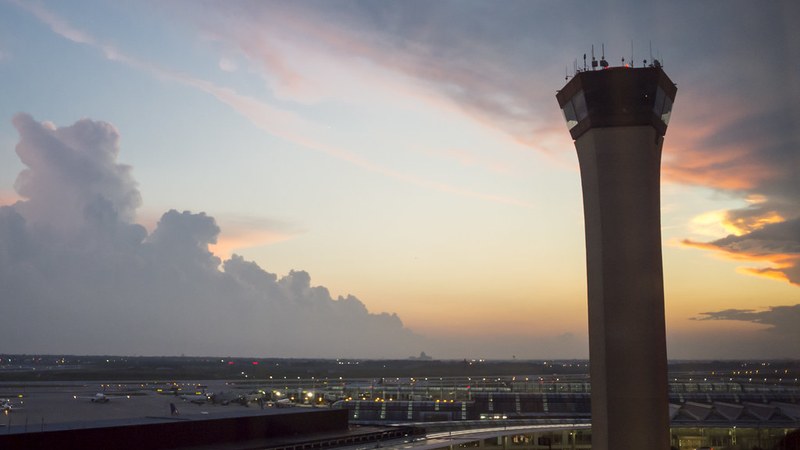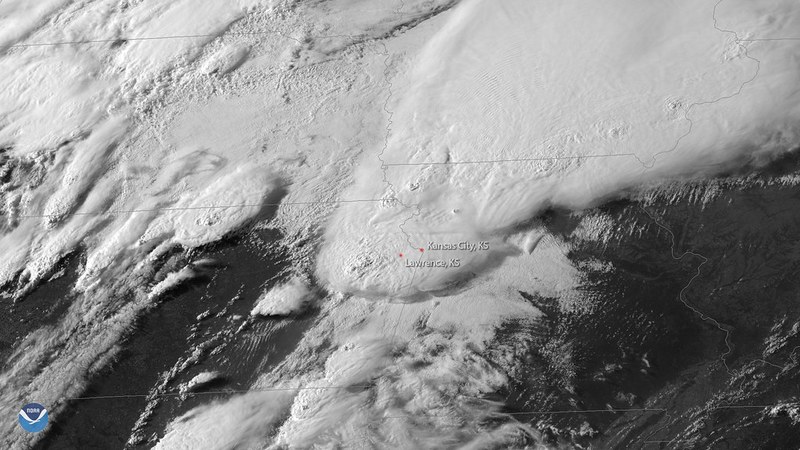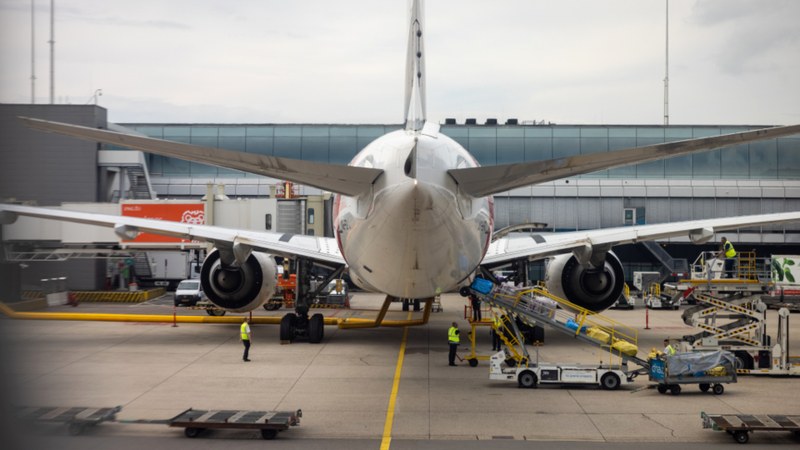
The Federal Aviation Administration enforced a temporary ground stop on departures at Hartsfield-Jackson Atlanta International Airport on Saturday afternoon, July 11, 2026, as thunderstorms moved across metro Atlanta and central Georgia. This measure paused new departures and held inbound flights at origin airports until weather conditions allowed for safe operations.
Thunderstorm Impact on Flights and Airline Networks
The ground stop affected flights destined for Hartsfield-Jackson by suspending new takeoffs, while arrivals already airborne generally continued toward Atlanta. The pause resulted in a buildup of aircraft on the ground, creating backlogs that disrupted airline schedules and network operations. Passengers reported extended waits both inside aircraft at other airports
and within Atlanta’s terminals, with missed connections particularly affecting smaller Southeast and Midwest cities dependent on Atlanta as a hub.
FAA Procedures for Managing Weather-Related Air Traffic Flow
The FAA uses ground stops as a traffic management tool when airport or airspace conditions become unsafe or capacity is severely limited. Thunderstorms pose hazards including lightning, turbulence, wind shear, hail, and convective weather that reduce the ability to manage flights safely, especially along approach and departure corridors serving major hubs like Hartsfield-Jackson. Traffic managers impose ground stops to prevent additional congestion and reduce holding patterns near hazardous weather. After storms diminish, the FAA typically transitions to metered arrivals or
ground delay programs to systematically restore normal traffic flow.
Summer Thunderstorm Patterns Disrupting Southeast Aviation
National Weather Service forecasts describe persistent hot and humid conditions across Atlanta during mid-summer, with daily chances of scattered to strong thunderstorms. These weather patterns frequently cause localized severe conditions that interfere with aviation operations in the Southeast. Similar thunderstorm-related ground stops and arrival restrictions have occurred recently at other major eastern U.S. airports, contributing to rolling delays during peak travel periods.
Passenger Delays and Regional Disruptions
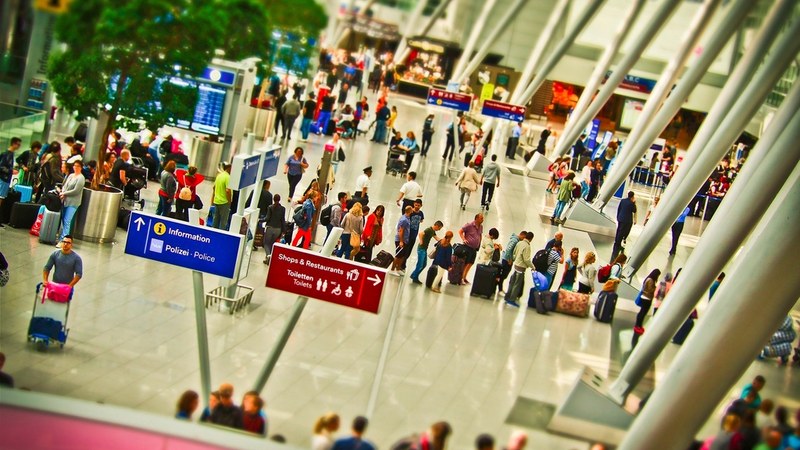
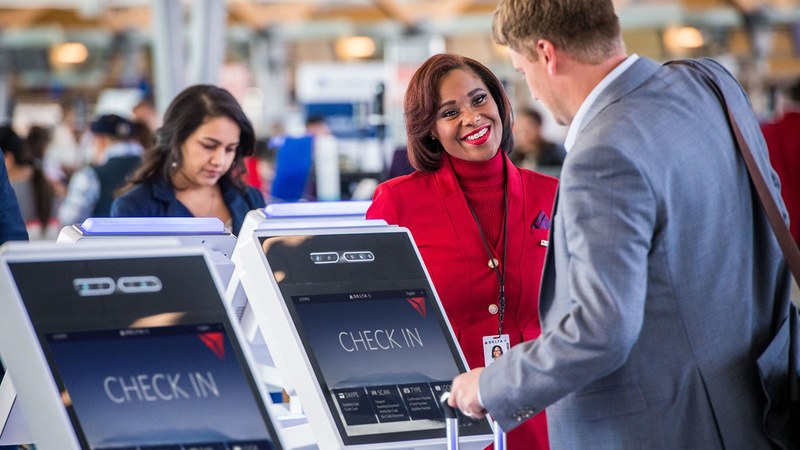
The ground stop coincided with a peak summer travel weekend, compounding its effects on passengers facing long lines at customer service counters and crowded waiting areas. Airlines managed rebooking
efforts through digital tools to cope with missed connections and itinerary changes. Delays and cancellations at Atlanta cascaded through airline schedules, forcing carriers to consider alternate routes through other hubs. Given ongoing thunderstorm forecasts, further air traffic restrictions and delays are expected across the Southeast in the coming days.