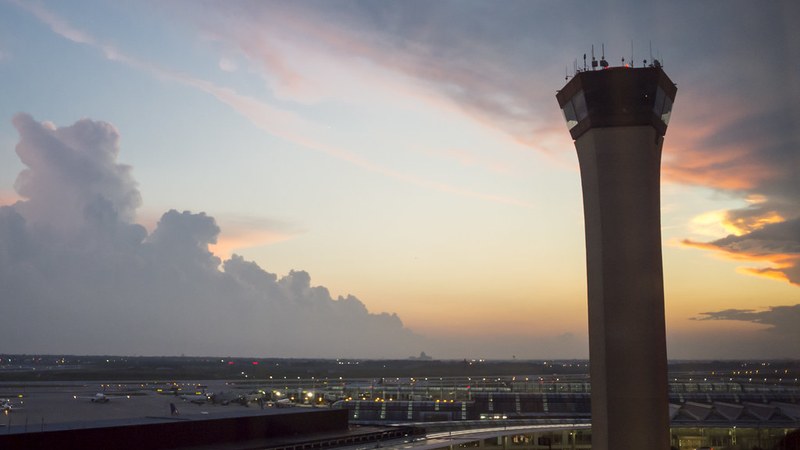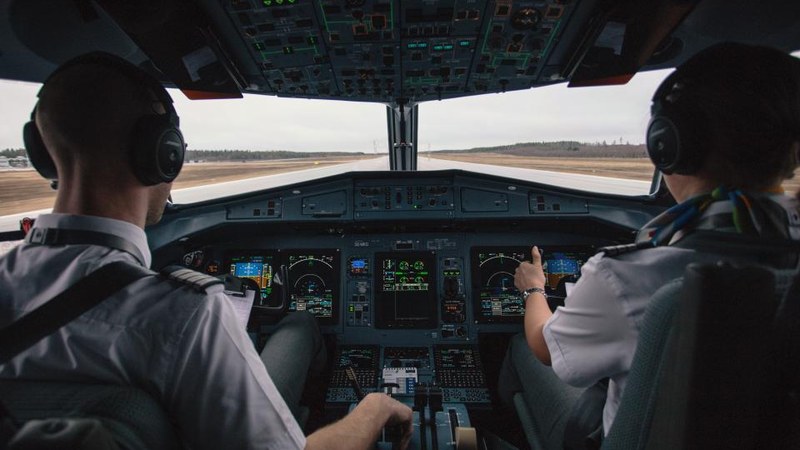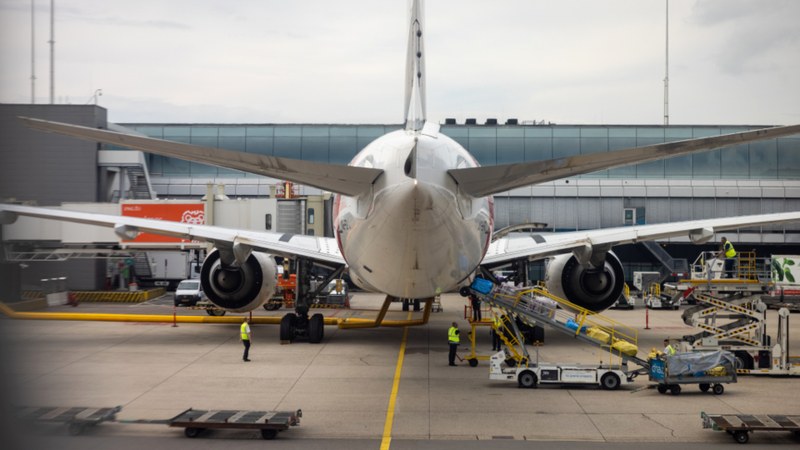
The Federal Aviation Administration (FAA) enforced a temporary ground stop at Hartsfield-Jackson Atlanta International Airport on Saturday, July 12, 2026, due to thunderstorms impacting metro Atlanta and central Georgia. The measure disrupted departures, resulting in significant delays and cancellations at one of the world’s busiest airports.
The ground stop began on Saturday afternoon and remained in effect through at least 5 p.m. Eastern, according to public sources. Departures bound for Atlanta were halted, with aircraft held at their origin airports until weather conditions improved. Flights already airborne were generally permitted to continue to Hartsfield-Jackson, but the pause led to a
substantial backlog on the ground.
Thunderstorms Curtail Airspace Capacity Around Atlanta
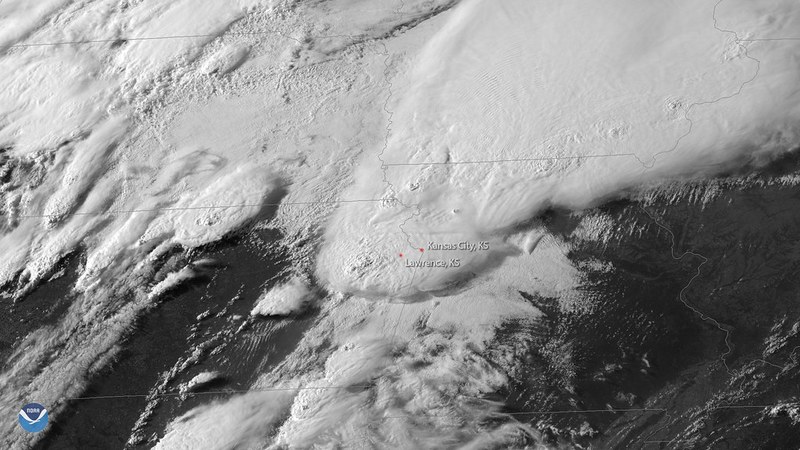
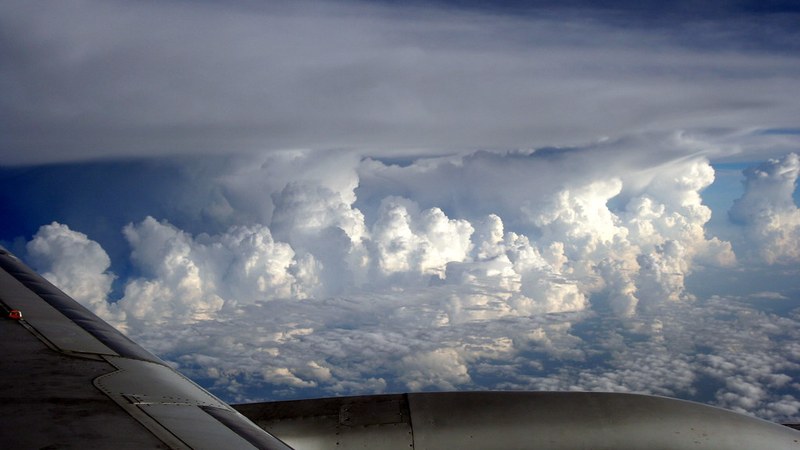
The FAA implemented the ground stop amid thunderstorms moving through metro Atlanta and central Georgia that created unsafe conditions around the airport’s airspace. Convective weather along critical approach and departure corridors reduced the capacity for handling inbound and outbound flights safely. Lightning, turbulence, wind shear, and fast-changing cloud formations further constrained traffic flow.
These atmospheric conditions forced air traffic controllers to limit the number of aircraft that could be managed simultaneously. The ground stop helped prevent extended holding patterns near hazardous weather and alleviated congestion in the narrow air corridors serving the hub.
Operational Impact: Delays, Cancellations, and Passenger Disruptions
The ground
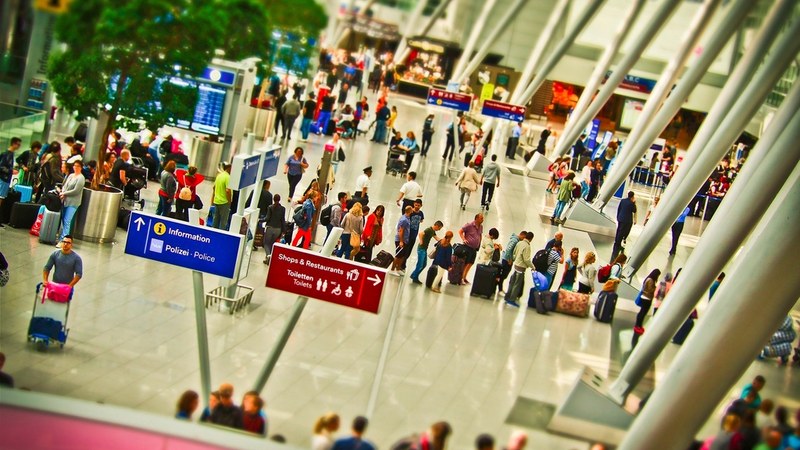
stop affected more than 900 flights at Atlanta as of about 1 p.m., with averages of 40-minute delays and peaks up to 75 minutes reported by the FAA. Several flights destined for smaller Southeast and Midwest cities, which rely on Atlanta as a primary connection point, were canceled or delayed. Travelers reported long waits inside the crowded terminal and in planes at distant airports unable to depart.
Airlines responded by rebooking passengers onto later flights or alternate routes through other hubs to mitigate the impact. However, widespread disruptions stretched itineraries from minor setbacks into all-day travel issues, as aircraft and
crews fell behind schedule amid ongoing summer demand.
Summer Thunderstorms and FAA Traffic Management Tools
Thunderstorm activity during mid-summer frequently triggers these FAA traffic management actions in the Southeast. The National Weather Service forecasts persistent hot and humid conditions around Atlanta, producing daily chances of scattered to severe storms capable of disrupting air travel corridors.
To manage such events, the FAA employs ground stops to temporarily halt departures for affected airports. Once weather improves, the FAA typically transitions to metered arrivals or ground delay programs that space flights to optimize safety and flow. The Southeast region has experienced multiple storm-related disruptions this week at major airports, further
stressing airline networks and passenger schedules.
Post-Ground Stop Challenges and Traveler Guidance
After the ground stop lifts, airlines face high demand for takeoff and landing slots while recovering from accumulated delays. This creates further congestion on taxiways and gates and complicates schedule realignment due to crew duty limits and aircraft maintenance requirements.
Passengers at Hartsfield-Jackson encountered long lines at service counters and crowded concourses during the ground stop. Use of airline mobile applications for rebooking proved more efficient than waiting in person, with many carriers allowing free same-day changes during the weather event.
Travelers with connections through Atlanta during storm-affected periods risk extended travel disruptions and
missed onward flights. Aviation analysts expect similar pop-up delays and flow restrictions to persist as thunderstorms continue in the region over coming days.