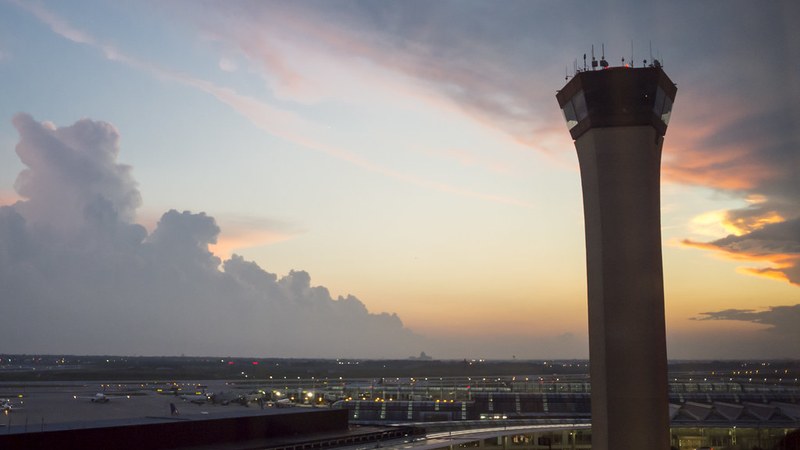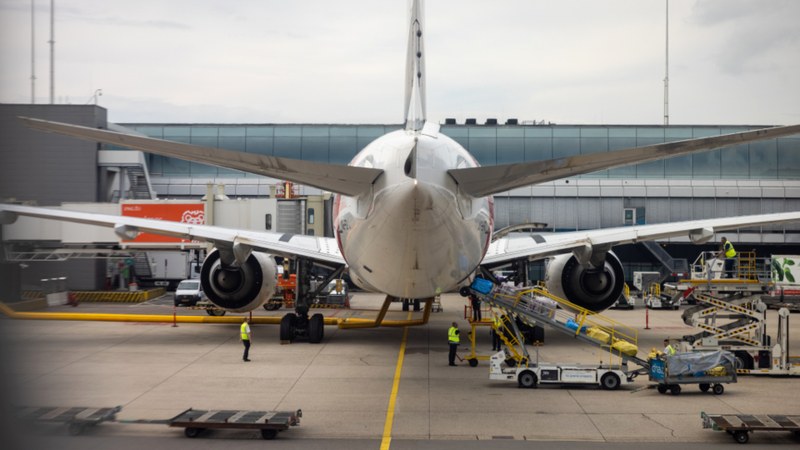
The Federal Aviation Administration (FAA) issued a temporary ground stop at Hartsfield-Jackson Atlanta International Airport on Saturday afternoon, July 12, 2026, in response to thunderstorms affecting metro Atlanta and central Georgia. The ground stop, which lasted into the late afternoon and was expected to remain in effect at least until 5 p.m. Eastern, paused departures from the world’s busiest airport and grounded flights destined for Atlanta until weather conditions improved.
Operational Impact of the Ground Stop
Flight tracking systems and airline status boards showed that arrivals already airborne were generally permitted to continue to Atlanta despite the ground stop. However, no new departures for flights bound
for Hartsfield-Jackson were allowed, causing a buildup of aircraft at their departure points. This restriction led to congestion across airline networks extending beyond Atlanta, resulting in widespread delays and scattered cancellations across routes served by the airport.
The pause in departures created significant backlog on taxiways and at gates once the ground stop was lifted, intensifying operational congestion during a peak summer travel period. Airlines responded by rebooking some travelers on later flights or alternative routings through other hubs in the eastern United States.
Traveler Disruptions Due to Thunderstorm-Driven Delays
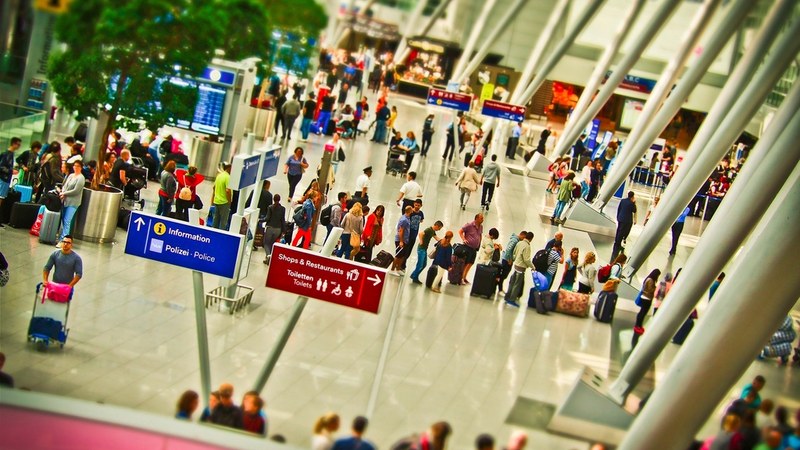
Passengers faced extended waits both at Hartsfield-Jackson and at originating airports, with many reporting missed connections
particularly to smaller Southeast and Midwest cities that use Atlanta as their main gateway. Delays and cancellations disrupted travel plans across the Southeast amid a busy summer weekend schedule. Rebooking was available through airline apps and websites, providing faster options than waiting in airport customer service lines.
The ground stop further strained crews and aircraft already stretched thin by elevated seasonal demand. Post-ground stop recovery was complicated by federal limits on crew duty hours and mandatory aircraft maintenance, prolonging delays even after weather conditions stabilized.
FAA Ground Stop Procedures and Thunderstorm Impacts
The FAA employs ground stops to pause departures to airports when weather conditions render arrival
and departure corridors unsafe or congested. Thunderstorms with lightning, turbulence, and rapid cloud formation reduce the number of aircraft air traffic controllers can safely manage, particularly in busy hubs like Hartsfield-Jackson that depend on narrow approach and departure routes.
Ground stops prevent aircraft from entering hazardous airspace and avoid compounding congestion caused by flights holding in the vicinity of active storm cells. The FAA adjusts these restrictions dynamically based on radar, pilot reports, and lightning data. Once conditions improve, ground stops can transition to metered arrivals or ground delay programs to space inbound traffic more efficiently.
Regional Storm Patterns and Broader Travel Disruptions
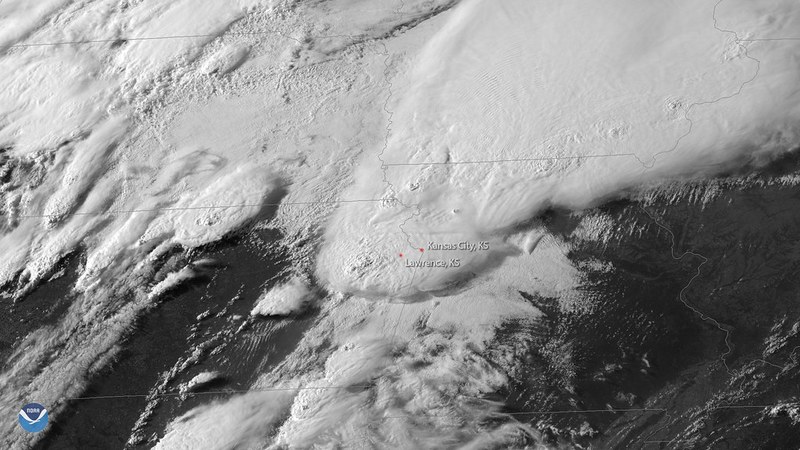
The thunderstorms prompting Saturday’s
ground stop were part of a broader pattern of slow-moving convective storms disrupting aviation across the Southeast this week. Other eastern U.S. hubs have also experienced ground stops or arrival management due to similar weather conditions.
National Weather Service forecasts for Atlanta documented persistent hot, humid conditions with daily chances of strong thunderstorms producing localized severe weather. These storm cells generate sudden changes in wind speed, lightning, and turbulence that require rerouting and temporary suspensions at major airports.
Passenger Recommendations During Weather-Driven Ground Stops
Passengers traveling through Hartsfield-Jackson during periods of thunderstorm activity are advised to closely monitor flight status via airline apps, which may provide
quicker notice and booking options than at airport counters. Travel experts recommend allowing extra connection time during summer afternoons and evenings when thunderstorms are most prevalent. Airlines often permit same-day itinerary changes without fees during weather disruptions.
The FAA ground stop at Atlanta on July 12 demonstrated how summer thunderstorms in the Southeast can rapidly reduce airport capacity and ripple through airline networks at a critical peak travel time.