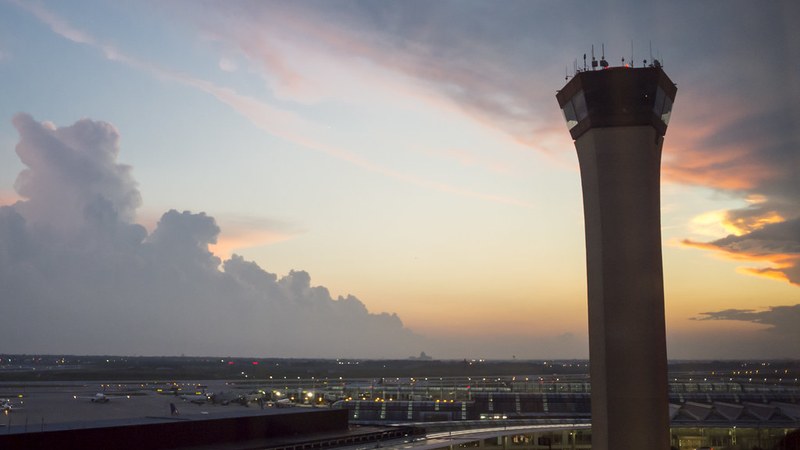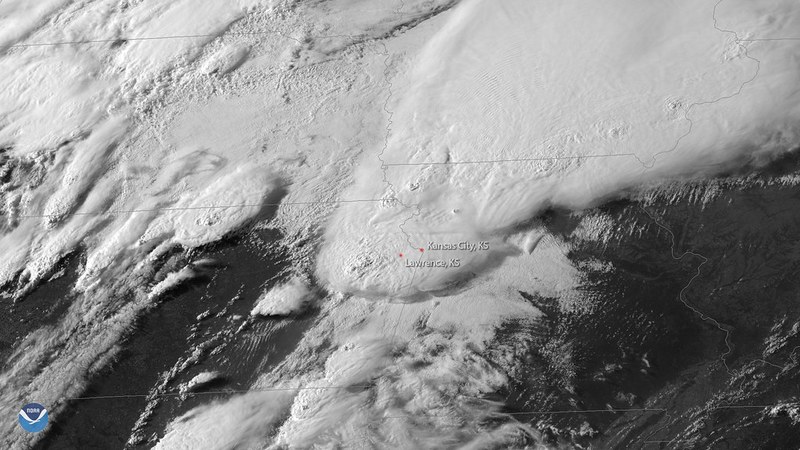
The Federal Aviation Administration enforced a ground stop at Hartsfield-Jackson Atlanta International Airport on July 12, 2026, halting departures and disrupting flight operations amid severe thunderstorms across the Atlanta metropolitan area and central Georgia.
Departures were paused for several hours on the afternoon of July 12, with the ground stop enforced until at least 5 p.m. Eastern as storm cells moved through the region. Flights already airborne en route to Atlanta largely continued to their destination, but no new departures were permitted, resulting in anchored aircraft at their origin airports and a significant backlog of flights awaiting clearance.
FAA Traffic Management Procedures and Ground Stop Purpose
The FAA
utilized the ground stop to manage aircraft flow and reduce congestion in the airspace corridors leading into Atlanta. Thunderstorms produce hazardous conditions such as lightning and turbulence, which sharply decrease sector capacity and complicate controller workload. Ground stops prevent new departures from entering saturated or unsafe airspace, thereby minimizing extended holding patterns and improving safety until weather conditions improve.
Once the intensity of thunderstorms declines or storm lines shift, the FAA transitions from complete ground stops to metered arrivals or ground delay programs to gradually resume normal traffic volumes while maintaining safety.
Passenger and Flight Disruptions
The ground stop disrupted dozens of flights, causing
delays that spread across airline networks connecting through Atlanta. Published data showed over 900 flights delayed as of early afternoon, with an average delay duration around 40 minutes and some reaching 75 minutes. Airlines addressed cancellations and rebookings by redirecting passengers through alternate hubs to bypass storm-affected corridors.
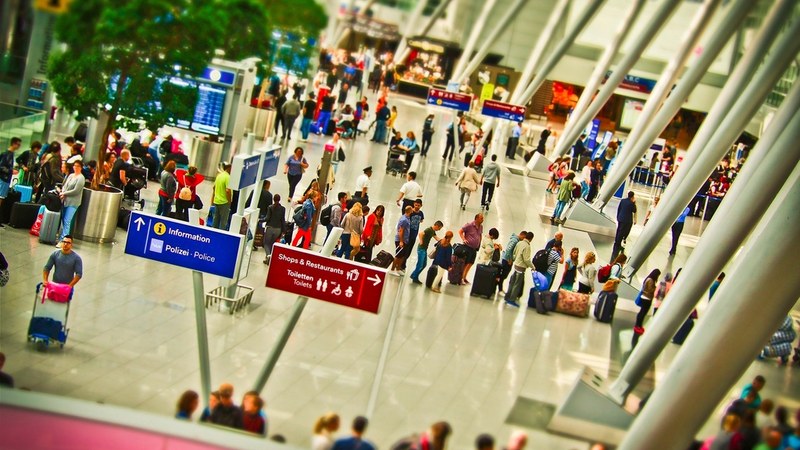
Travelers reported extended waiting times both inside airport terminals at Hartsfield-Jackson and aboard parked aircraft at surrounding airports. Many passengers experienced missed connections, notably affecting smaller Southeastern and Midwestern destinations served primarily via Atlanta. Airline customer service points faced long queues, while airline mobile applications provided the most efficient method for flight
status updates and itinerary changes.
Timing, Weather Conditions, and Regional Impact
Initially, the FAA set the ground stop to continue until 2:30 p.m., later extending it to 4 p.m., with some sources indicating it lasted into the late afternoon. Thunderstorm warnings and watches spanning early afternoon into evening accompanied the event, forecasting scattered severe weather capable of producing rapid downpours, lightning, and turbulence over the Atlanta area.
Similar thunderstorm activity impacted other major Eastern U.S. hubs during the same week, prompting temporary ground stops or arrival management programs and contributing to rolling air travel disruptions across the region.
Advisories for Travelers During Thunderstorm-Related Disruptions
FAA officials outlined that ground stops are safety
tools implemented when airport arrival and departure corridors become unsafe or overly constrained due to weather. Aviation experts emphasize the importance of frequent flight status checks through airline apps and consider rebooking options proactively during such events.
Travelers passing through or connecting at Hartsfield-Jackson during summer thunderstorms should allow additional buffer time for potential delays. Airlines typically permit same-day flight changes without charge during these weather disruptions.
Hartsfield-Jackson, as a key domestic and international hub with dense summer travel demand, remains sensitive to thunderstorms common in the Southeast. This weather pattern is expected to continue causing pop-up delays and operational
restrictions into the coming days.