In July 2026, the European Union confirmed it will maintain the Schengen Entry/Exit System (EES) biometric border checks despite reports of long queues and flight disruptions at some of its busiest international airports.
EES Biometric System Operational Since October 2025
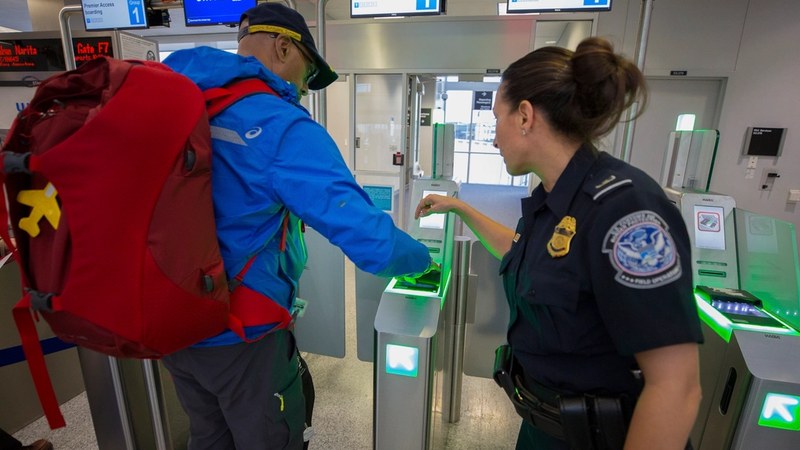
The EES system, active since October 2025, is undergoing a six-month phased rollout replacing manual passport stamping with biometric identification. The process records fingerprints and facial images of non-EU nationals entering Schengen external borders to enhance security and migration control.
Under EU legislation, member states are allowed to gradually increase biometric enrolment but not to suspend it entirely. The system aims to reduce identity fraud and provide
real-time data across EU borders.
Long Delays and Increased Processing Times Reported
Airports in Italy, Spain, and Portugal have reported border control delays lasting up to three hours during peak travel periods. Airports Council International Europe has documented up to a 70% increase in processing times attributable to EES biometric checks.
Missed flights and congested border queues have occurred especially at high-traffic hubs such as Milan and Rome airports. Airlines for Europe noted persistent excessive waiting times and has repeatedly urged the European Commission to authorize temporary suspensions of biometric controls in critical situations.
Industry and Airport Operator Responses
Paris airport operator Groupe ADP called accelerating biometric registration before the summer peak
“extremely risky” and advocated for slowing enrollment growth. The head of Rome’s Fiumicino and Ciampino airports warned that only suspending EES biometric screening during the busiest weeks could prevent a summer “disaster.”
Despite these warnings, the EU framework currently only permits scaled adjustments without full suspensions. Airlines and airport groups have requested official authorization for broader, temporary biometric check suspensions to manage passenger flow more effectively.
Local Adaptations and Traveler Impacts
Some border forces in Greece, Italy, and Portugal have temporarily reduced biometric screening intensity or reverted to manual passport inspections during surge periods. Greek airports reportedly abandoned biometric checks for British citizens, diverging from
official claims of full EES deployment.
Airlines recommend that passengers arrive at least three and a half hours before short-haul departures from affected airports. Experiences vary, with travelers encountering full biometric processing on some trips and manual checks or waived screenings on others.
The system’s bottlenecks at border police, infrastructure, and technology capacity contribute to longer wait times, operational delays, and missed flights, particularly in Mediterranean tourist hotspots.
EU Policy and Data Security Stance
EU institutions reaffirm the importance of EES in modernizing border control and managing migration within the Schengen area. The phased rollout allows some national flexibility but forbids a block-wide halt.
Civil liberties
groups have raised concerns regarding the duration of biometric data storage and law enforcement access. EU officials emphasize that EES facilitates fraud reduction, faster repeat crossings, and identification of overstays.
Operational Adjustments and Industry Concerns
Airlines have adjusted schedules, extended ground times, and revised boarding procedures to accommodate longer border processing times. Industry leaders worry that ongoing delays could reduce Europe’s appeal to travelers and increase operational costs, potentially leading to higher ticket prices.
The biometric border system required extensive political and financial investment and remains central to EU security strategy despite operational challenges during its initial rollout.