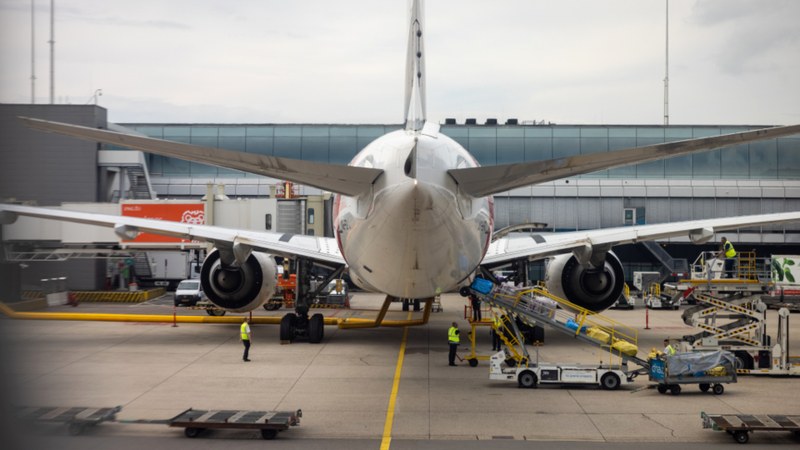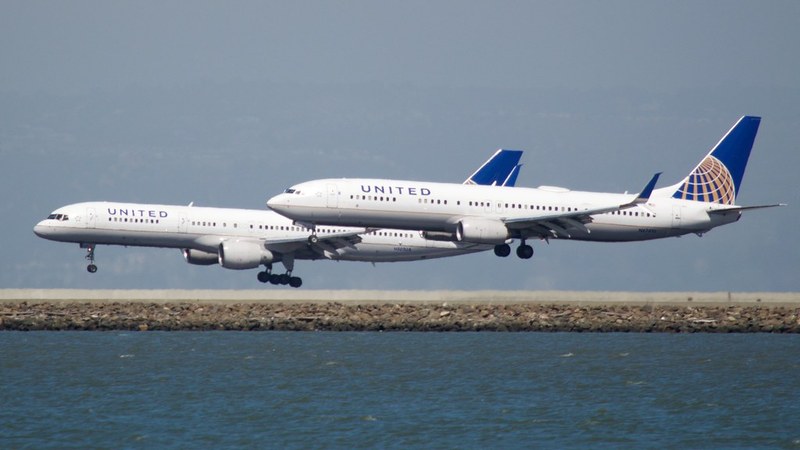
More than 600 flights were canceled and over 1,000 delayed at Chicago O’Hare International Airport (ORD), United Airlines’ largest hub, on July 3, 2026. The Federal Aviation Administration (FAA) imposed ground stops and ground delays throughout the day due to severe thunderstorms affecting the Midwest.
Severe Weather Triggers FAA Ground Stops at ORD
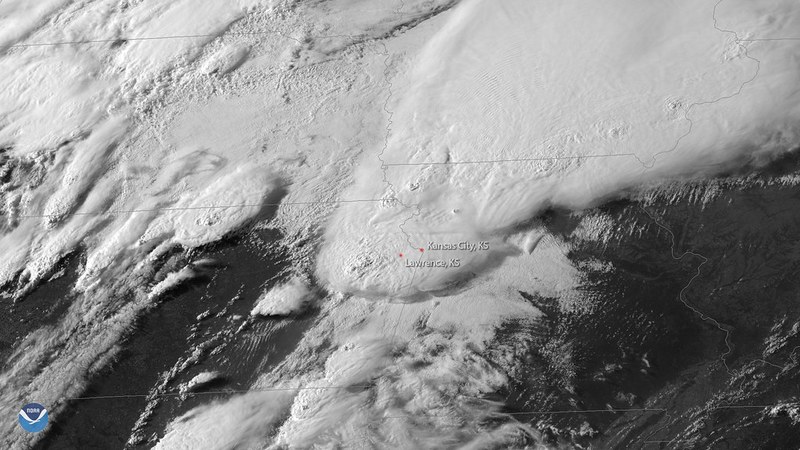
Storms dropped up to 2.5 inches of rain in the Chicago area, triggering flood warnings from 1:51 AM to noon local time on July 4. The FAA’s Air Traffic Control System Command Center enforced ground stops and delays to manage traffic flow safely amidst heavy thunderstorm activity. These weather disruptions compounded staffing and equipment shortages
during a peak summer travel period marked by dense flight schedules at ORD, United Airlines’ global headquarters.
Widespread Flight Disruptions and Diversions
FlightAware data recorded the highest number of global flight cancellations and delays on July 3 at ORD, with United Airlines canceling 4% of its flights and delaying nearly one-third. Regional carriers SkyWest Airlines and GoJet Airlines, which operate under the United Express brand, also faced significant cancellations. Passengers at Kansas City International Airport (MCI) reported receiving diverted ORD-bound flights, increasing terminal congestion.
American Airlines flight 836, originally scheduled from Charlotte Douglas International Airport (CLT) to ORD, departed 7.5 hours late and was rerouted
to Minneapolis-Saint Paul International Airport (MSP) due to storms near Chicago. Travelers at ORD reported waits on the tarmac extending for hours, with some flights canceled until the following morning. One Reddit user wrote, “I was stuck on the tarmac for a little more than two hours before they finally took us back to a gate. Supposed to have left at 8pm. Now delayed until 7am.”
Disruptions Persist Into July 4 Amid Ongoing Weather Warnings
Flight disruptions continued early on July 4, with FlightAware reporting 16 canceled departures, 49 delayed departures, 86 canceled arrivals, and 60 delayed arrivals at ORD by 6:30 AM local time. United Airlines accounted for
85 cancellations and 57 delays during this period. The U.S. National Weather Service and AccuWeather predict additional thunderstorms and heat dome conditions across the Midwest and Northeast through the Independence Day holiday weekend, raising the likelihood of continued delays.
AccuWeather highlighted a “ring of fire” effect created by clusters of thunderstorms circulating the heat dome, which could produce waves of severe storms disrupting flights. Additional storm threats extend from Colorado and New Mexico through the Southeast and Atlantic Seaboard, potentially affecting airports including Orlando International Airport (MCO) and Miami International Airport (MIA).
Baggage Delays and Customs Issues Reported at Orlando Airport
At MCO, baggage claim delays in late June
caused extended waits, including one incident involving about 800 passengers delayed over five hours. Passenger Carol Wick claimed a Virgin Atlantic employee threatened arrest for leaving U.S. customs without luggage, though Virgin Atlantic and the Greater Orlando Aviation Authority (GOAA) denied these allegations. A U.S. Customs and Border Protection (CBP) spokesperson explained that baggage processing delays impacted CBP entry procedures but confirmed officers were present and working to process travelers.
Passenger Rights and Airline Responses
The U.S. Department of Transportation (DOT) states airlines are not required to compensate passengers for weather-related delays or cancellations, as weather is deemed an uncontrollable event. Airlines generally issue weather
waivers during such disruptions. United Airlines offers waivers allowing passengers to change flight dates within a set window at no extra cost or cancel flights for full eCredits without fees. DOT advises passengers to request assistance but notes compensation for meals or hotels during weather disruptions is not guaranteed.
FAA and DOT data underscore that summer thunderstorms and infrastructure constraints continue to strain the national airspace system, with hubs like ORD facing outsized operational impacts during peak travel periods.