Hamad International Airport in Doha has introduced Fast Pass, a biometric passenger processing system launched in July 2026 that uses facial recognition. The system was developed by Qatar Airways and technology provider SITA to enable passengers traveling with Qatar Airways to move through the airport using biometric verification instead of traditional documents.
Enrollment and Biometric Touchpoint Integration
Passengers eligible for Fast Pass can enroll once via the Qatar Airways mobile app during check-in or at designated kiosks within the airport terminal. The system connects more than 700 biometric touchpoints across Hamad International Airport, creating an end-to-end digital identity environment that covers check-in, bag drop, security
screening, lounge access, and boarding gates.
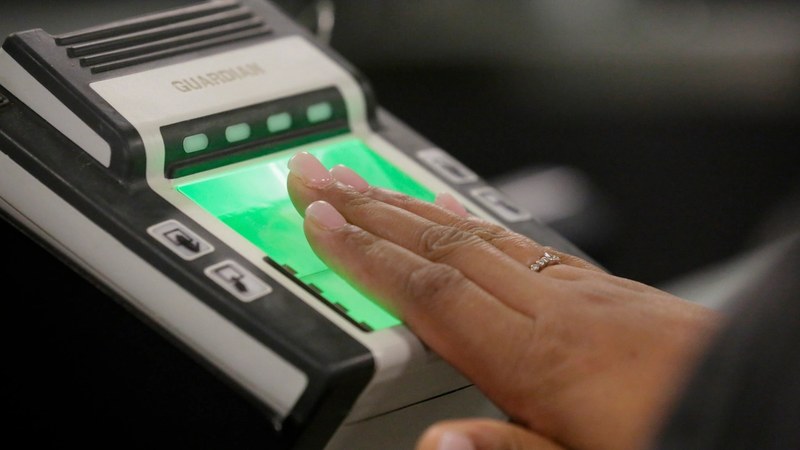
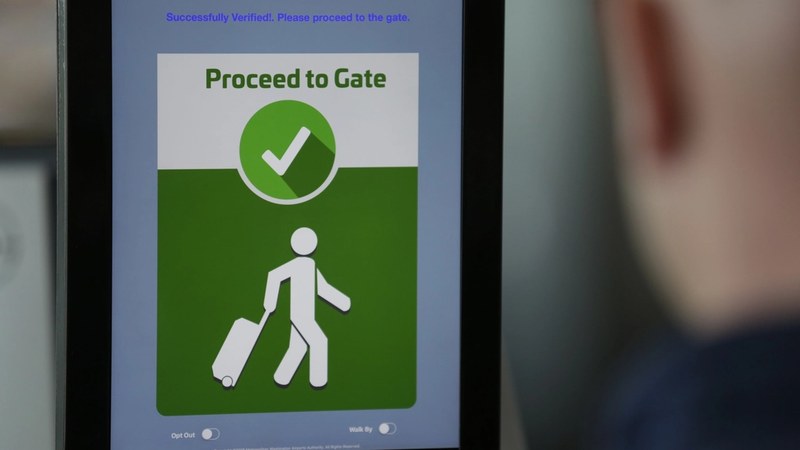
Once enrolled, the passenger’s facial biometrics serve as their primary identity credential throughout the departure process, eliminating the need for repeated presentation of boarding passes or passports at multiple checkpoints.
Data Privacy and Voluntary Participation
Fast Pass operates on a voluntary basis, allowing passengers to opt for traditional document checks instead. Biometric data handling differs based on enrollment method: data collected via airport kiosks is stored only for the duration of the trip and deleted 24 hours after departure, while data enrolled through the Qatar Airways app remains on the passenger’s device and can be deleted at their discretion.
The system complies with regulatory requirements and data protection standards to ensure secure identity verification throughout the airport journey.
Passenger Convenience and Eligibility
This biometric solution is available exclusively to passengers departing on Qatar Airways flights from Hamad International Airport who are at least 18 years old. Fast Pass reduces check-in times, limits physical document handling, and enhances passenger flow by automating identity verification across multiple airport operations.
Passengers enrolled in Fast Pass do not need to repeatedly show physical boarding passes or passports during their journey through the airport, streamlining the entire departure experience.
Global Aviation Trends Driving Biometric Adoption
Worldwide aviation faces increasing passenger volumes and growing security
requirements, prompting airports to invest in biometric digital identity systems to reduce congestion and improve efficiency. According to the International Air Transport Association (IATA), traveler preferences now favor digital and self-service processes that reduce waiting periods and manual document handling.
Physical constraints on terminal expansions and the need to optimize airport operations have accelerated investments in biometric technology to enhance processing times and passenger flow during peak travel periods.
Operational Benefits and Technological Integration
Fast Pass integrates airport infrastructure, airline procedures, and biometric verification into a cohesive platform that minimizes manual identity checks. This reduces bottlenecks and allows staff to focus on passengers who need
additional assistance rather than routine document inspections.
The biometric system helps to improve on-time departures, streamline boarding, and supports efficient ground operations at Hamad International Airport.
Strategic Importance and Future Expansion Plans
The Fast Pass launch is a significant component of Qatar Airways’ digital transformation and Hamad International Airport’s Innovation Roadmap. Initially serving departing Qatar Airways passengers, the system is anticipated to extend to transfer passengers and additional airlines in the future.
This large-scale biometric deployment positions Hamad International Airport among the leading global hubs adopting comprehensive digital identity solutions to enhance passenger processing and operational capabilities.