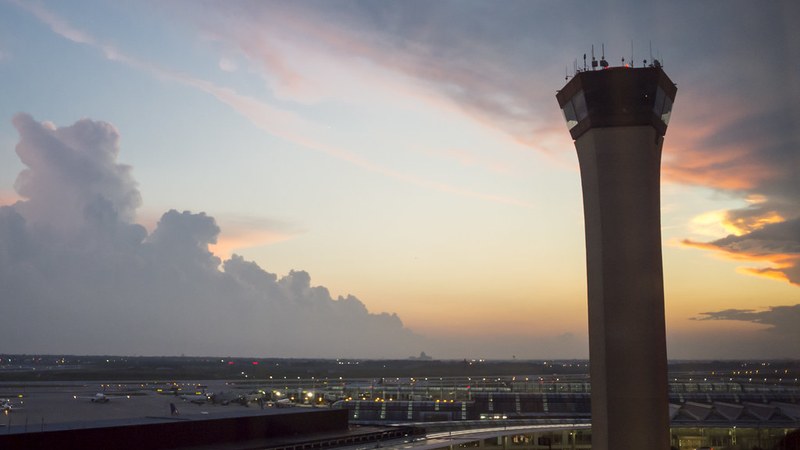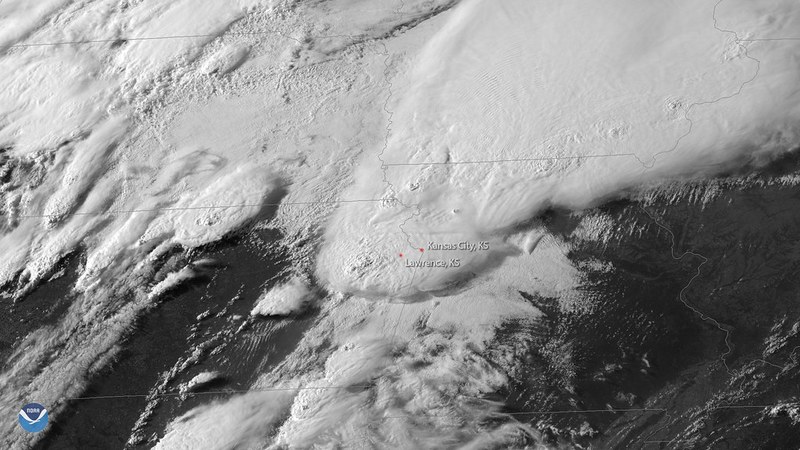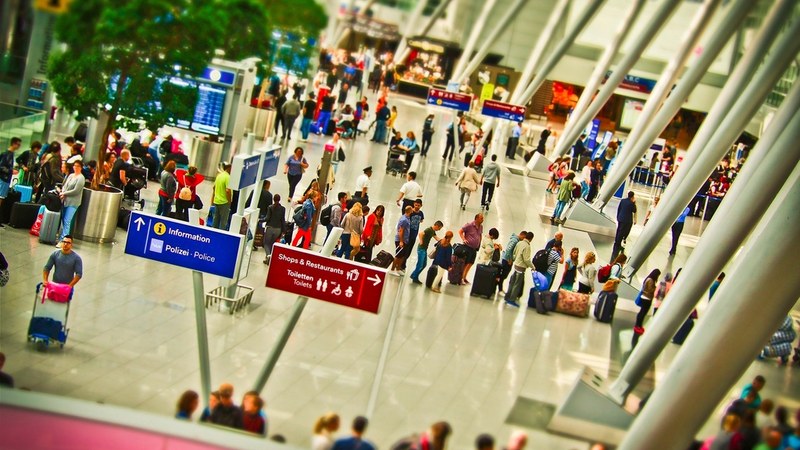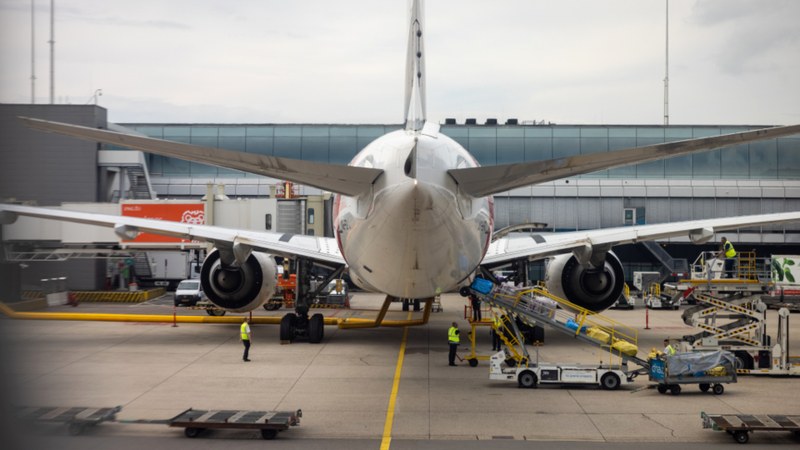
The Federal Aviation Administration (FAA) enforced ground stops and delays on July 3 and into July 4, 2026, amid severe thunderstorms that triggered more than 600 flight cancellations and over 1,000 arrival and departure delays at Chicago O’Hare International Airport (ORD), the largest hub of United Airlines.
Chicago O’Hare Sees Highest Global Flight Disruptions
ORD recorded the highest worldwide volume of flight cancellations and delays on July 3 due to FAA-imposed ground stops. FlightAware data showed over 1,000 delayed arrivals and departures and just above 600 cancellations throughout the day. By 6:30 AM local time on July 4, ORD still had 16 canceled departures, 49 delayed departures,
86 canceled arrivals, and 60 delayed arrivals.
United Airlines was the most heavily impacted carrier at ORD, canceling approximately 4% of flights and delaying nearly one-third on July 3. SkyWest Airlines, a Utah-based regional operator, recorded even more flight cancellations than United, while GoJet Airlines, under the United Express brand, also encountered significant disruptions.
American Airlines flight 836, scheduled from Charlotte, North Carolina, to Chicago, departed 7.5 hours late on July 3 and was diverted to Minneapolis due to the storms, according to FlightRadar24. Diverted passengers at Kansas City International Airport (MCI) reported terminal congestion with “at least three planes’
worth” of travelers intended for ORD stranded within the facility.
Passenger Experiences During ORD Disruptions
The severe weather and subsequent ground stops caused prolonged delays for passengers at ORD. One United Airlines passenger reported being stuck on the tarmac for over two hours before returning to the gate, with their scheduled 8 PM departure pushed back to 7 AM the following day. Another passenger shared on Reddit about waiting hours on the tarmac before receiving a flight cancellation the next morning.
Travelers stranded through the night faced canceled flights and lengthy disruptions extending into July 4. Diversions also caused passengers to be stranded at alternate
airports, notably at MCI. ORD continued experiencing delays on July 4, partly due to ongoing severe weather conditions forecasted by the U.S. National Weather Service.
Weather Conditions and Ongoing Forecast
The U.S. National Weather Service issued flood warnings and thunderstorm advisories for Chicago starting at 1:51 AM and lasting until noon on July 4. Earlier storms brought up to 2.5 inches of rain. AccuWeather warned of a “heat dome” effect fueling thunderstorms across the central and northeastern U.S. through the Independence Day holiday weekend.
This “ring of fire” phenomenon creates waves of severe weather, with anticipated disruptions affecting major airports in the Midwest and Northeast.
Storm activity is also forecasted to extend from parts of Colorado and New Mexico through Florida and along the Atlantic Seaboard. AccuWeather noted the potential formation of tropical weather impacting the southern Atlantic and Gulf Coasts.
Delays at Orlando International Airport and Airline Policies
In Florida, delays from recent storms continued to affect Orlando International Airport (MCO). On June 27, approximately 800 passengers experienced more than five hours of delay at baggage claim. Some travelers reported a Virgin Atlantic employee stating passengers could be arrested for leaving customs without their luggage. Virgin Atlantic and the Greater Orlando Aviation Authority denied these claims, attributing confusion to airport staff uniform
similarities.
U.S. Customs and Border Protection cited extended baggage wait times as the cause of processing delays at MCO and confirmed officers were prepared to handle arrivals. Major U.S. airlines, including United, American, Delta, and Southwest, issued weather waivers allowing travelers to change or cancel flights without fees during these disruptions.
The U.S. Department of Transportation (DOT) clarified airlines have no legal obligation to compensate passengers for weather-related delays or cancellations. The DOT emphasized airlines do not guarantee schedules and that passengers’ rights to amenities during uncontrollable weather events are limited, though some airlines may provide discretionary assistance.