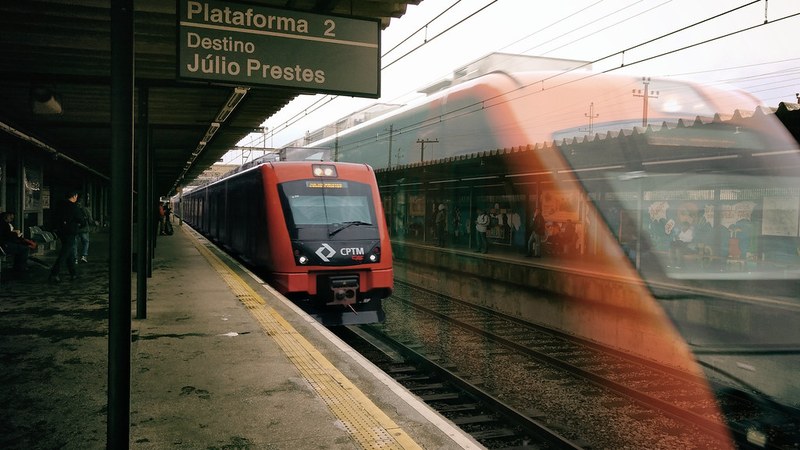
A power outage at Network Rail’s Manchester Rail Operating Centre on Thursday, 6 August 2026 at 13:41 local time lasted approximately 90 seconds and triggered extensive signalling system failures. The short electrical interruption substantially impacted the North West England rail network by rendering signalling controls inoperable.
Widespread Service Cancellations and Delays Across North West England
The signalling failures forced an immediate halt to train movements across the region, leading to cancellations and delays that affected rail services in North West England, including Manchester Piccadilly station. Over 400 postcodes in East Manchester’s Harpurhey area were also impacted due to the electrical outage reported by SP Electricity North West. This event
caused a second consecutive day of significant rail disruption in the area.
Network Rail Response and Overnight Restoration Efforts
Network Rail deployed engineers who worked overnight to restore signalling systems affected by the power cut. Despite the brief duration of the outage, some components controlling signalling required reconfiguring and replacement before full service could resume. By late on the day of the incident, signalling systems were fully restored, and most train operations resumed by the following morning.
Official Statements and Apologies from Network Rail
Chris Wright, Network Rail’s North West Route Director, apologized for the disruption and thanked passengers for their patience during the outages. Wright noted that the systems “did not respond how
we would have expected, and then needed reconfiguring and replacing.” He stressed the need for urgent investigation into the cause and improvement of system resilience to prevent repeats of such incidents.
Centralisation Risks and Expert Commentary on Rail Operating Centres
The Manchester centre is one of 12 Rail Operating Centres that replaced hundreds of traditional signal boxes, centralising signalling control within high-tech hubs. Rail writer Christian Wolmar commented on the vulnerability created by centralisation, stating, “if one thing goes wrong, it can wipe out, as we saw, quite a lot of the network.” The incident has intensified scrutiny on Network Rail’s control system design and resilience.
Funding Pressures, Organisational Changes, and Future Plans
Network Rail operates
under five-year government funding settlements, with the latest period from 2024 to 2029 allocated £44.1 billion, a £3 billion increase from the previous term. Pressure from funding constraints and workforce reductions has raised concerns about maintenance and operational capacity. The organisation is set to be merged into Great British Railways as part of government rail reform, with ongoing efforts to enhance resilience across signalling systems.
Impact on Travellers and Ongoing Delays into the Following Day
Passengers in Manchester and the wider North West endured widespread service interruptions on 6 and 7 August 2026. Some TransPennine Express routes remained disrupted due to displaced trains and crew, prolonging delays beyond the initial
outage. Authorities advised travellers to monitor service updates as operations returned progressively toward normal levels.
Technical Challenges Noted by Network Rail
Chris Wright emphasized the complexity of the technical issues encountered, explaining, “we didn’t experience a 90-second interruption,” reflecting how backup systems did not perform as expected. He added, “We’ve got to work really hard very quickly now to understand why that’s the case,” signaling Network Rail’s commitment to investigating the outage’s root causes and preventing future incidents.