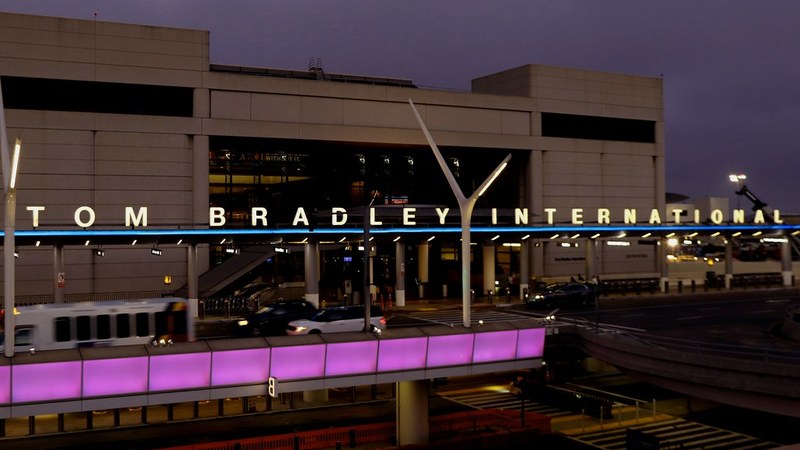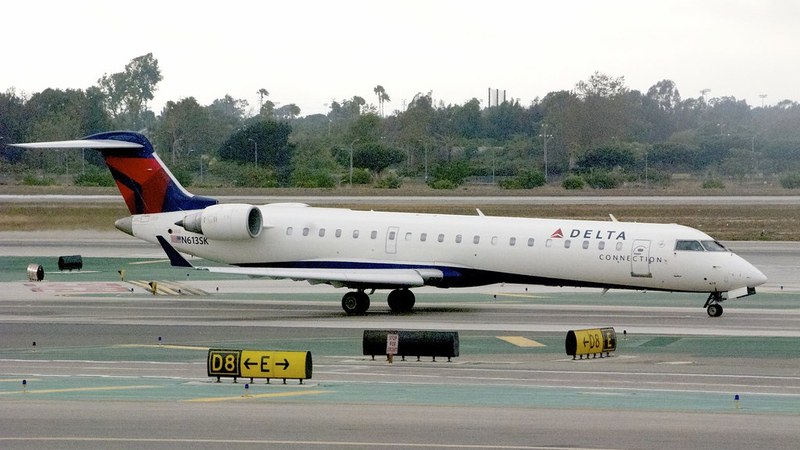
The Federal Aviation Administration (FAA) initiated a ground stop at Los Angeles International Airport (LAX) on October 14, 2026, starting at 3:46 a.m. Pacific time due to an equipment outage. The ground hold was originally planned to last until 5 a.m., pausing departures from the airport early that morning.
Scope and Impact Across US Regions
The ground stop affected flights departing from multiple FAA-controlled regions, including Southern California, Northern California, Seattle, Denver, Salt Lake City, and portions of the central United States. The outage disrupted a mix of domestic departures, early morning international arrivals, and connections to flights from Asia and Oceania at LAX. Ground stops
enable the FAA to hold outbound flights at their point of departure when arriving traffic flow must be limited to ensure safety.
Delay Statistics Recorded by FAA
The FAA’s traffic management data recorded 253 delay entries linked to the outage, reporting an average delay of 36 minutes and a maximum delay of 58 minutes during the disruption. The FAA advisory classified the probability of extending the ground stop as medium but did not disclose the specific equipment that failed or technical details surrounding the outage.
Unspecified Flight Cancellations and Passenger Guidance
The FAA did not provide detailed information on the number of flights canceled or particular airlines affected by the ground
stop. Passengers with travel plans involving LAX during this period experienced uncertainty as the advisory covered airport-wide restrictions without specifying individual flights or passenger impacts.
Context of FAA Technical Disruptions
This equipment outage at LAX differs from a previous incident in September 2026, when a communications systems failure at the Philadelphia Terminal Radar Approach Control caused flight restrictions affecting airports in the Northeast such as Newark and Philadelphia. Flight operations across US airports continue to be managed via FAA traffic control measures, including ground stops, to maintain safety during technical interruptions.