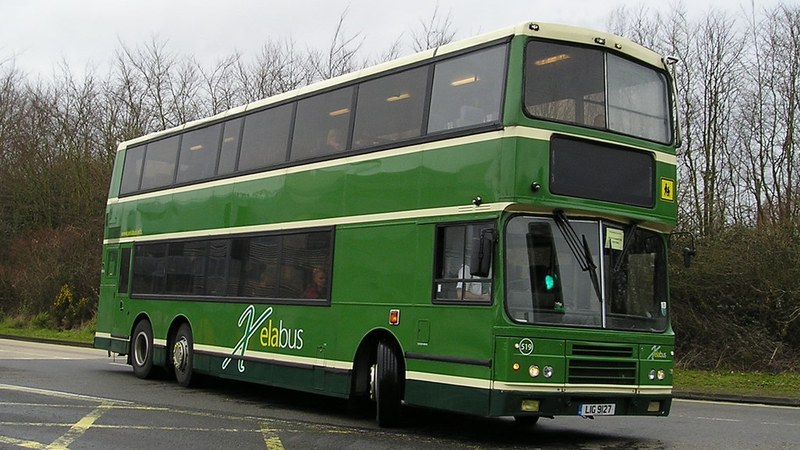
Rail services between Tonbridge and Wadhurst will be suspended from Saturday 24 October through Sunday 1 November 2026, with the closure extending to Battle on the final day, according to Network Rail. Throughout this nine-day period, rail replacement buses will operate between Tonbridge and Wadhurst, with additional bus substitutions in place between Wadhurst and Hastings late on 31 October until early 1 November, and then between Tonbridge and Battle from 7am on 1 November.
Engineering Work to Renew Slab Track and Remove Speed Restrictions
The closure enables the renewal of worn slab track within Grove Hill Tunnel, located south of Tunbridge Wells. This slab track, which stabilises railway tunnels by
being affixed to a concrete base, requires replacement due to wear. Engineering teams will also remove three temporary speed restrictions, put in place earlier due to soil drying and shrinking during the hottest and driest summer on record. Rainfall has restored soil moisture levels, permitting track realignment and the elimination of these speed limits.
Additional Maintenance and Inspection Tasks Across the Line
Further works during the closure include detailed inspections and maintenance at Wadhurst Tunnel’s portals and shafts. Near Stonegate, engineers will assess earthworks, drainage, and track conditions to bolster railway resilience. Etchingham station will receive new power equipment installation, canopy repairs, and inspections of adjacent bridges and
drainage systems. Track replacement and surveys will also occur near Robertsbridge and Mountfield. These activities, along with vegetation management, drainage reviews, and routine track upkeep, aim to enhance safety and reduce future disturbances on the Hastings line.
Passenger Impact Including Travel and Parking Advice
No train services will run between Tonbridge and Wadhurst for the full closure period, with rail replacement buses covering this section. Passengers using the Wadhurst to Hastings segment will travel by bus from 10:30pm on 31 October until 7am on 1 November, followed by replacement buses operating between Tonbridge and Battle after 7am on 1 November. Journey times will increase, and travelers are
advised to allocate additional time. Those requiring assisted travel should continue to book support as usual.
Car parking availability will be affected at several stations. At Tunbridge Wells and Frant, parts of the parking areas will serve construction activities linked to Grove Hill Tunnel work, reducing space. Etchingham, Robertsbridge, Stonegate, and Wadhurst station car parks will also function as bus operation zones, including turning and layover areas, further limiting parking. Tonbridge station’s car park is expected to be especially busy, with advice for passengers to arrive early to secure parking.
Investment and Reliability Goals
Network Rail characterises this engineering initiative as a significant investment
in the Hastings line, aimed at improving reliability for both passenger and freight services across Kent and East Sussex. The combined scope of work during the closure, including slab track renewal and removing speed restrictions, maximises the use of the downtime to minimise future service disruptions. Coordination across the route allows for remedial actions that reduce journey delays once train services resume.
Railway Upgrade Plan Context
The Hastings line improvements form part of Britain’s broader Railway Upgrade Plan, a multi-billion-pound programme designed to expand and enhance the nation’s rail network. Network Rail is responsible for managing over 20,000 miles of track and thousands of
structures across the UK. Typically, the network handles nearly five million daily journeys and more than 600 freight trains. These planned interventions aim to support this capacity growth while maintaining safety and efficiency standards.