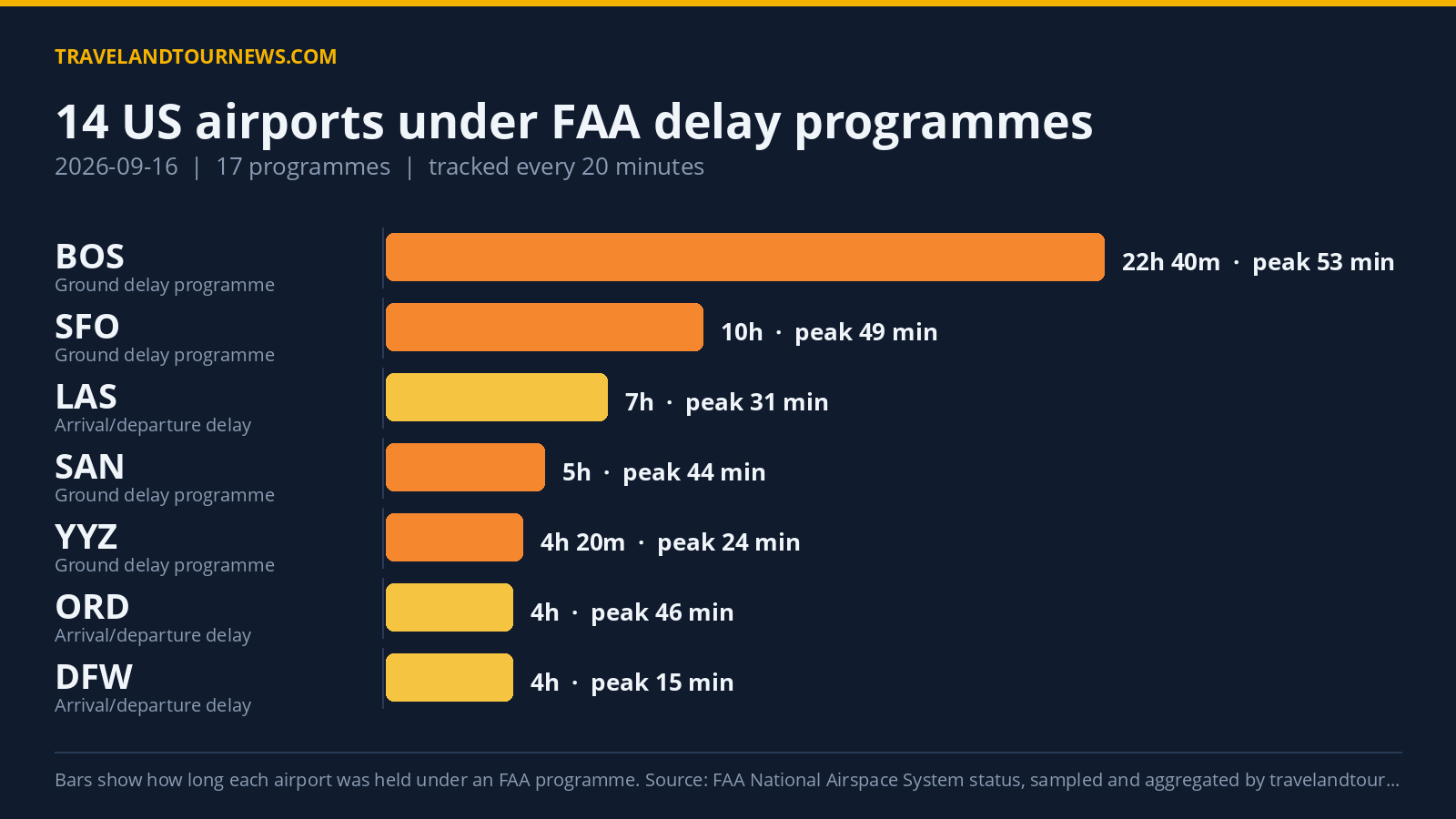
On July 20, 2026, a total of 1,144 flights were cancelled and 3,647 delayed at major airports across the United States. Hartsfield-Jackson Atlanta Airport registered 480 delays and 197 cancellations, making it the most affected airport by delays nationwide. Chicago O’Hare Airport recorded 311 delays and 72 cancellations, while New York JFK Airport reported the highest cancellation total with 233 cancelled flights alongside 231 delays. Boston Logan Airport had 243 delays and 105 cancellations. Newark Liberty Airport tallied 234 delays and 167 cancellations. LaGuardia and Philadelphia airports also faced significant disruptions, with 195 delays and 124 cancellations, and 161 delays
and 95 cancellations respectively.
Major airlines experienced widespread disruptions. Delta Air Lines cancelled 333 flights and reported 380 delays, accounting for 29.1% of all US flight cancellations on the day. American Airlines cancelled 116 flights but faced the highest delay count with 677 delayed flights. United Airlines reported 122 cancellations and 333 delays, concentrated especially around hubs at Chicago O’Hare and Newark Liberty. Republic Airlines recorded 179 cancellations and 158 delays. JetBlue and PSA Airlines also experienced notable flight disruptions.
Beyond the most impacted airports, delays and cancellations affected additional major hubs including Washington, Fort Lauderdale, Minneapolis, and Detroit. Heavy
operational pressure was reported across these locations as airlines worked to manage schedules on July 20, 2026.
Geopolitical and Weather Factors Drive Disruptions
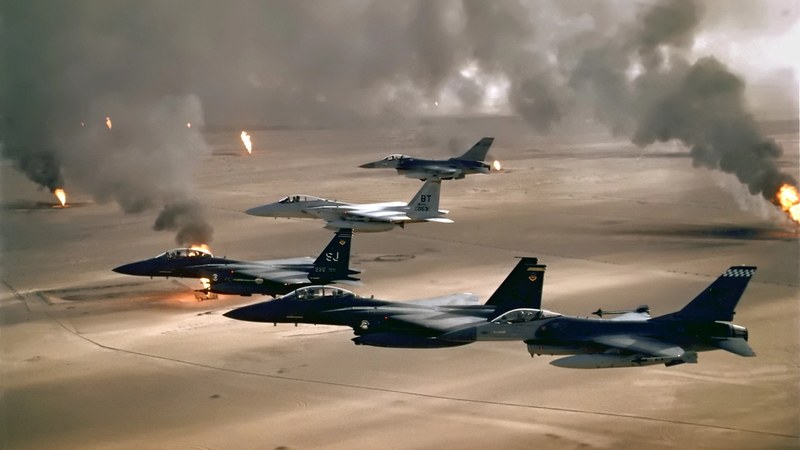
Flight disruptions on July 20 were influenced by cumulative effects of growing geopolitical tensions and severe weather. Heightened security concerns followed US military strikes targeting Iran’s Islamic Revolutionary Guard Corps, believed responsible for an attack in Jordan that killed two US service members. Kuwait responded by activating air defenses after detecting Iranian missiles and drones. President Donald Trump stated Iran was no longer adhering to the June interim peace agreement and described the deaths of the two US troops in Jordan as tragic.
Simultaneously, a severe multi-day storm system originating from southern Canada moved through the Upper Midwest, Great Lakes, Mid-Atlantic, and Northeast regions. This system brought repeated thunderstorms, damaging winds, hail, and the threat of tornadoes, disrupting flight operations across key travel corridors.
Passenger Impact and Operational Challenges
Thousands of passengers encountered cancellations and delays causing extended airport wait times and missed connections. Changes to aircraft assignments and limited seat availability on later flights compounded travel difficulties. Major hubs in Atlanta, Chicago, New York, Boston, Philadelphia, Newark, Los Angeles, Fort Lauderdale, Minneapolis, and Detroit remained under strain throughout the day. Travelers using these airports faced ongoing uncertainty
as airlines adjusted operations.
Qatar Airways Adjusts US Service for Winter 2026/27
In a separate operational update, Qatar Airways filed its winter 2026/27 schedule reducing flight frequencies on several US routes through March 2027. Cities affected include Los Angeles, Boston, Atlanta, and Miami. Although no cancellations were reported, fewer weekly flights on these routes may affect onward connections through Doha to destinations in Asia, Africa, the Middle East, and Australia.