On July 29, 2026, Via Rail announced a $1.9 billion federal investment to replace 45 aging locomotives and to build a new assembly and maintenance facility in Montreal.
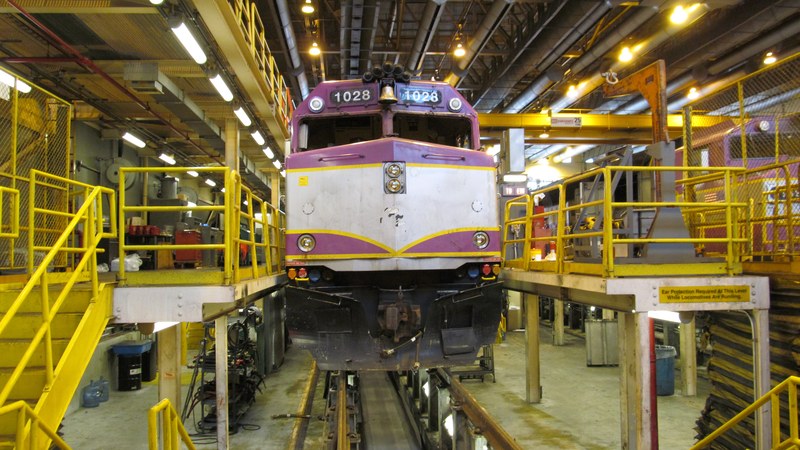
The current fleet of 52 General Motors F40PH-2 locomotives has been in service since the late 1980s. The aging units have experienced declining reliability, increased maintenance costs, and operational delays, contributing to Via Rail’s on-time performance dropping to 30% in the first quarter of 2025. The fleet faces challenges operating across extreme temperatures from 10 °C in London, Ontario, to -35 °C in Quebec City.
Manufacture and Assembly Plan
Switzerland-based Stadler will build the new locomotives,
marking the first hybrid trains in North America. The initial nine units will be assembled in Spain before Canadian workers undertake assembly of the remaining 36 locomotives domestically. Transport Minister Steven MacKinnon emphasized that “locomotive assembly is returning to Canada,” highlighting the shift in production.
Stadler’s industrial vice president, Miguel Cerdá, stated the new trains can operate in temperatures as low as -50 °C, surpassing the current fleet’s cold-weather capabilities.
Improvements for Passengers and Operations
Via Rail CEO Mathieu Paquette said the hybrid locomotives will bring “better performance, reliability, and will allow us to reduce our emissions and fuel use.” He underscored the challenges posed
by the aging fleet and extreme climate variations across routes, citing the effort required to maintain the existing fleet. Via Rail spokesperson Karl Helou described that maintenance needs “grow exponentially” as the locomotives age, and the new locomotives will allow focused maintenance efforts.
The project aims to enhance train service reliability and environmental performance across Canada, excluding the Windsor-Quebec City corridor, where Siemens Charger locomotives currently operate and an Alto high-speed rail line is planned.
Official Statements and Job Creation
Transport Minister Steven MacKinnon said the investment will lead to improved customer service and reliability, adding that “reliability is one of — if not the
— essential ingredient in attracting riders.” He also noted the creation of 1,200 full-time jobs associated with the new Montreal facility and emphasized government efforts to support Via Rail’s service improvements.
Paquette remarked that “an aging fleet comes with challenges. Today’s announcement gives us the tools we need to do better by our passengers.” He also indicated an upcoming announcement about replacing passenger cars, although details remain under development.
The new hybrid locomotives will incorporate Canadian-made batteries as part of the modernization.
The locomotive replacement does not include the Windsor-Quebec City corridor, maintaining focus on Via Rail’s broader network modernization.
The existing Siemens Charger locomotives and future Alto high-speed line serve that route.