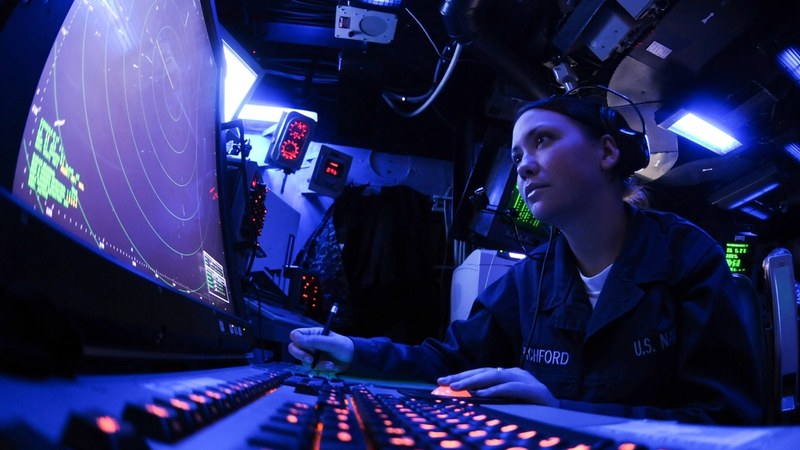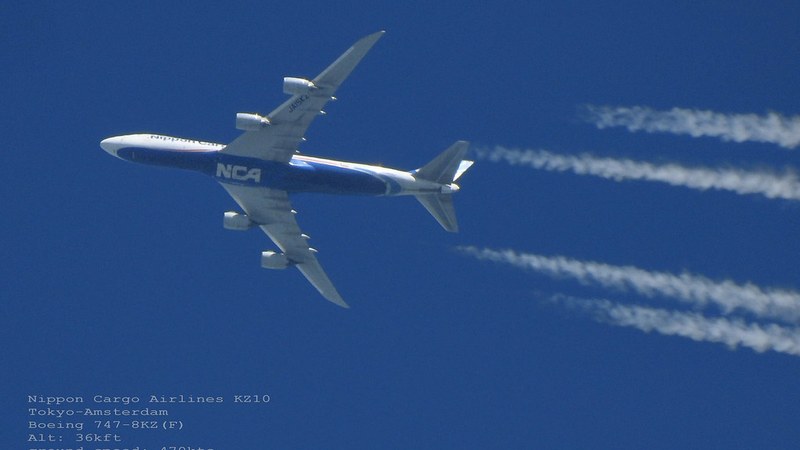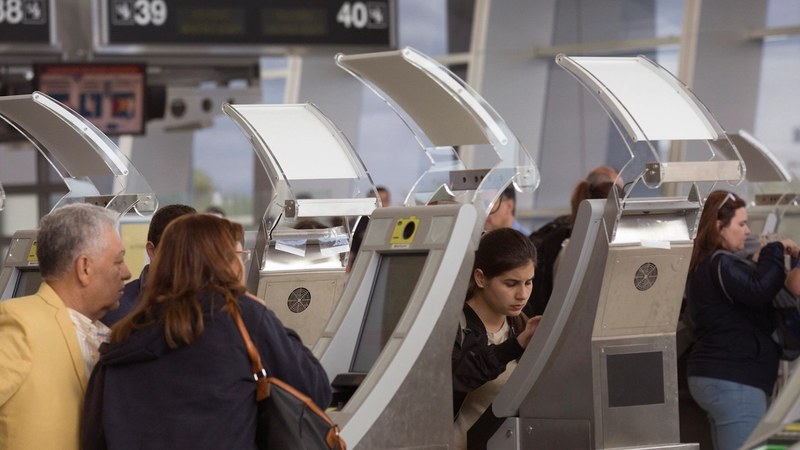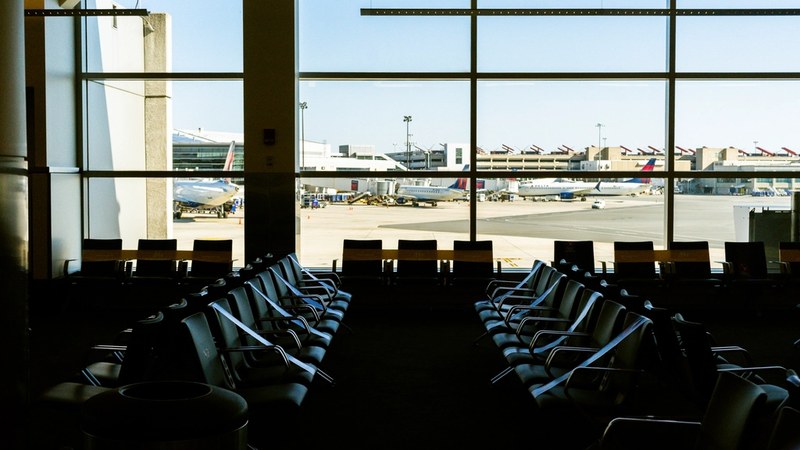
On September 21, 2026, flights were halted across several major Northeast US airports after the Federal Aviation Administration (FAA) experienced a critical equipment failure caused by a Verizon fiber optic cable cut. The outage affected radar and radio systems at Newark Liberty International, John F. Kennedy International (JFK), LaGuardia, Philadelphia International, and smaller airports in New Jersey and Pennsylvania, disrupting one of the nation’s busiest air corridors.
Widespread Flight Cancellations and Delays
The disruption triggered ground stops and forced the cancellation of more than 600 flights at Newark Liberty International alone, exceeding half of the airport’s schedule for the day. Nearly 100 additional flights at
Newark were delayed. Philadelphia International Airport reported approximately 200 cancellations and 400 delays by late afternoon on September 21. Flights at JFK and LaGuardia were temporarily halted and resumed with ongoing delays. Airlines reported over 100 international flights diverted from Newark, including a United Airlines flight from Berlin diverted to Detroit Metropolitan Wayne County Airport and a Scandinavian Airlines (SAS) flight from Stockholm rerouted to Washington Dulles International Airport. Nationwide, close to 4,000 flights experienced delays, and nearly 500 were canceled.
Cause: Accidental Severing of Verizon Fiber Lines by NJ Transit Contractors
The outages stemmed from construction contractors working near a rail project site between New Brunswick and North Brunswick, New
Jersey, who accidentally severed a Verizon fiber optic cable serving the FAA’s Philadelphia Terminal Radar Approach Control (TRACON). FAA Administrator Bryan Bedford confirmed that when switching communication to the backup fiber line, it was found to have also been severed. Verizon and NJ Transit confirmed the cable cuts occurred approximately 10 feet from utility markings, with Verizon stating their facilities were fully functional prior to the incident and they bear no responsibility for the cuts.
Official Responses and Airline Measures
FAA Administrator Bedford explained, “when it went to flip into the backup, we discovered the backup fiber had a break.” NJ Transit stated construction contractors
“accidentally severed a fiber-optic cable while working at the site.” United Airlines acknowledged the technology outage impacted all Northeast airlines at Newark, holding flights at their origin or diverting them. American Airlines waived change fees and allowed travel from alternate airports due to the disruption. Transportation Secretary Sean Duffy posted updates on X regarding flight resumptions and infrastructure modernization needs.
Effects on Travelers and Airport Operations
The fiber cable failure led to prolonged passenger delays, missed connections, extended tarmac holds, and unscheduled overnight stays. Crowded terminals and long lines for rebooking were reported, particularly at Philadelphia International. Airlines deployed additional staff and waived change fees to
assist affected travelers. Repairs were completed by Monday evening, but operational backlogs continued into the next day as aircraft and crews were repositioned.
Context on Infrastructure Vulnerabilities and Modernization Efforts
This incident exposed a critical single point of failure within the FAA’s Northeast corridor air traffic control communications. Congressional funding of $12.5 billion was allocated in 2025 for aviation infrastructure modernization. The FAA began a limited pilot rollout of the AI-powered Strategic Management of Airspace, Routes and Trajectories (SMART) program on the same day, unrelated to the outage.
Repair Status and Ongoing Disruptions
FAA reported repairs to the damaged Verizon fiber optic cable were completed by Monday evening, restoring partial service to
Philadelphia TRACON. Flight schedules at Newark and Philadelphia continued to recover as airlines managed crew rotations and aircraft deployments.