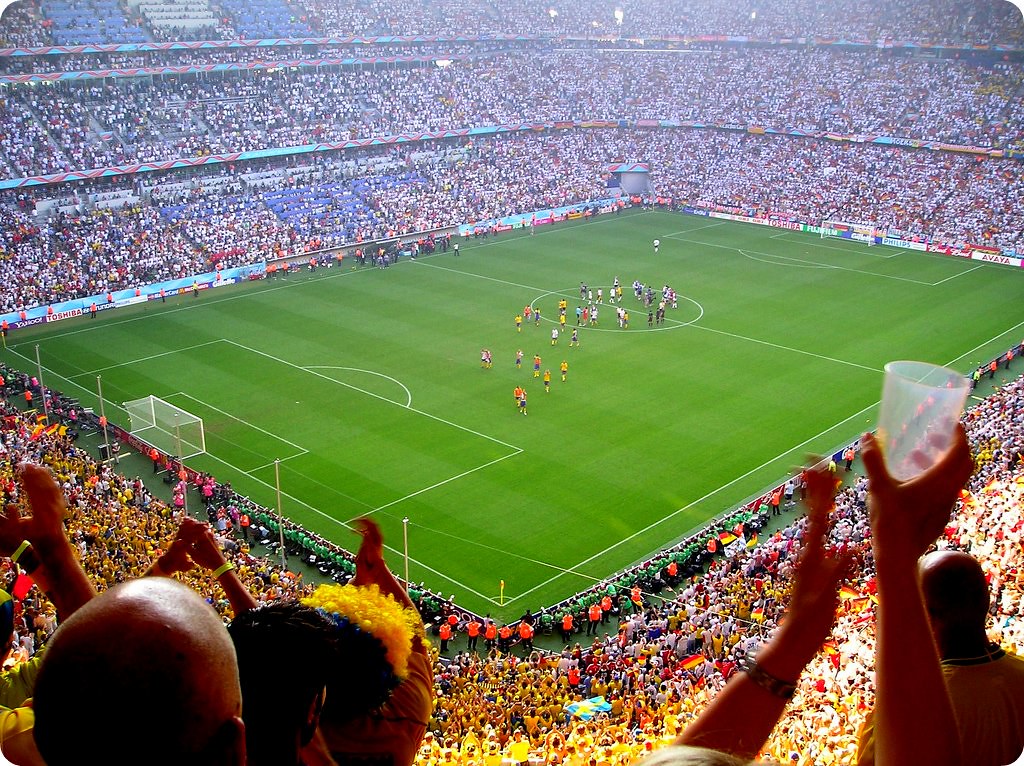
Streamlining International Fan Entry for FIFA World Cup 2026
The U.S. Travel Association has expressed strong support for the suspension of visa bonds related to the FIFA World Cup 2026. This policy adjustment aims to reduce barriers for international fans traveling to the United States to attend World Cup matches, which will be held in multiple host cities across the country. With visa processing often presenting challenges for large-scale international events, the suspension is expected to facilitate smoother and more efficient entry procedures for travelers.
The visa bonds suspension directly targets existing complexities within U.S. visa rule frameworks, alleviating financial and administrative burdens for travelers and stakeholders alike. Given
the global scale of the World Cup, easing these visa requirements aligns with broader objectives to welcome international visitors more effectively and improve the overall fan experience.
Impact on American Travelers and International Visitors
American travelers and international fans stand to benefit from the eased visa processes facilitated by the suspension of visa bonds. By reducing procedural hurdles, international attendees can expect more predictable and straightforward visa approvals, which could increase overall attendance and participation in World Cup events hosted in the U.S.
For U.S.-based football enthusiasts, the policy change signals a positive environment for welcoming global fans, potentially enriching the event’s atmosphere and fostering cross-cultural engagement
during the tournaments. The visa rules revision is anticipated to help mitigate potential entry delays that international travelers might have faced in past high-profile events.
Hospitality Industry Readiness and Economic Implications
The hospitality sector within U.S. host cities is preparing to accommodate a surge of international visitors owing in part to the visa bonds suspension. Hotels, restaurants, and other service providers in these localities are placing heightened emphasis on readiness to meet increased demand.
The U.S. Travel Association’s endorsement of the policy change underscores the expected positive implications for the tourism and hospitality industries. As visa rules become less restrictive, the likelihood of elevated visitor volumes
supports workforce mobilization, operational scaling, and heightened service standards across sectors directly linked to travel and accommodation.
While exact projections on hospitality revenue or visitor counts are not public, industry stakeholders recognize the importance of regulatory easing as a catalyst for robust event-driven economic activity.
Travel Industry Perspectives on Visa Regulation Adjustments
Entities within the travel industry are closely monitoring the visa bonds suspension as it represents a critical factor influencing international travel flows to the United States in 2026. Travel agencies, airline operators, and destination marketing organizations view the suspension as a constructive step toward enhancing the overall accessibility of FIFA World Cup host cities.
The
U.S. Travel Association’s support aligns with long-standing advocacy for streamlined visa policies that encourage inbound tourism. This development may serve as a precedent for similar measures in future global sporting events, reflecting an evolving approach to accommodating large-scale international audiences.
Operational Advantages for Stakeholders
Issuers of visas and other border control agencies could experience reduced procedural backlogs and resource demands by implementing the visa bonds suspension. These operational efficiencies may translate into more predictable timelines for traveler screening and approvals, benefiting both officials and travelers alike while supporting hospitality and event infrastructures.
Looking Ahead to FIFA World Cup 2026
As the United States prepares to host matches for the 2026 FIFA
World Cup, the suspension of visa bonds is positioned as a significant facilitator for international visitor participation. This policy approach may contribute to a welcoming environment consistent with the scale and excitement associated with the global event.
Ongoing collaboration between government agencies, the U.S. Travel Association, and local hospitality sectors will be critical to ensuring that visa rule adjustments translate into tangible benefits for international fans and U.S. host cities alike. Simplified entry requirements support the goal of seamless travel experiences and enhanced fan engagement throughout the tournament.