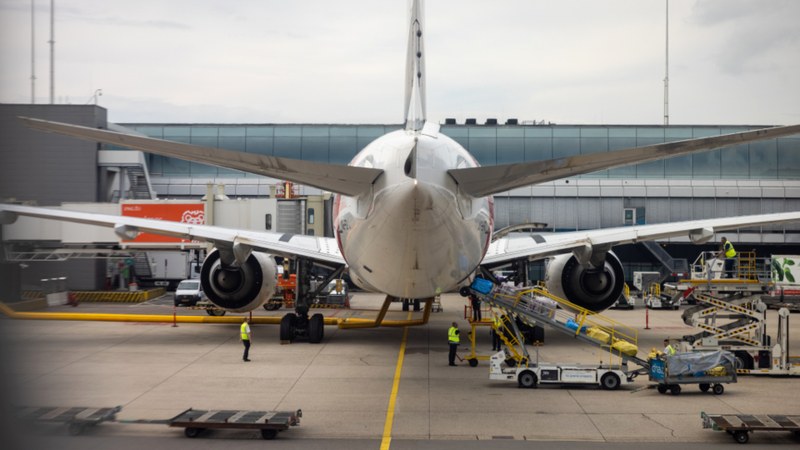
More than 3,000 flights across the United States were delayed and over 140 flights canceled on July 15, 2026, with disruptions centered at major hubs including Dallas-Fort Worth International Airport, Charlotte Douglas Airport, and Ronald Reagan Washington National Airport.
Thunderstorms in Texas and FAA Ground Stop at Reagan National Caused Disruptions
Flight delays stemmed primarily from intense thunderstorms in Texas near Dallas-Fort Worth Airport, which reduced airport capacity and slowed arrivals and departures. Additionally, the Federal Aviation Administration imposed a temporary ground stop at Ronald Reagan Washington National Airport due to a security-related VIP movement, pausing inbound flights at the airport.
Delays at Major Hub Airports Ripple Nationwide
The interconnected nature of US aviation means delays at hubs such
as Dallas-Fort Worth, Charlotte Douglas, Atlanta, and Chicago O’Hare produce cascading effects on flight schedules nationwide. Airlines operating crews and aircraft based at these airports face challenges resetting schedules after delays, impacting subsequent flight operations across the country.
Thunderstorms Force Reduced Airport Capacity
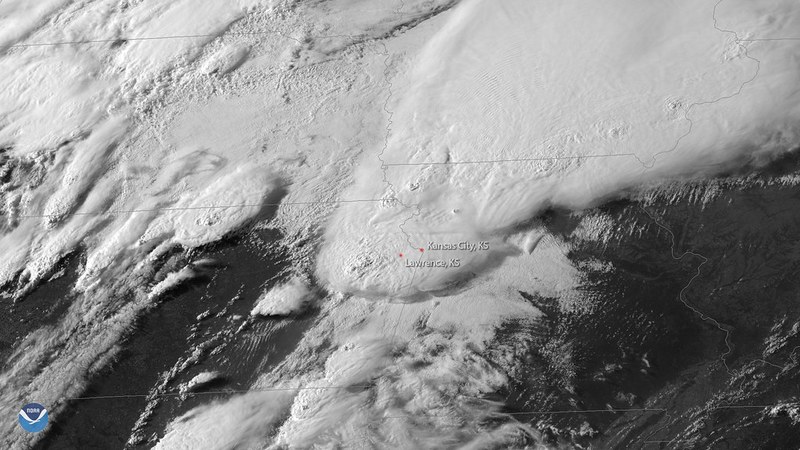
Severe thunderstorms near Dallas-Fort Worth brought lightning, heavy rain, and strong winds, requiring air traffic controllers to increase spacing between aircraft for safety. This reduction in arrivals and departures capacity caused extensive delays. Thunderstorms are less predictable than snowstorms, increasing the likelihood of sudden operational disruptions at airports like Dallas-Fort Worth, one of the busiest US hubs.
Security-Related Ground Stop at Reagan National
The FAA’s temporary ground stop
at Ronald Reagan Washington National Airport was triggered by a security incident linked to VIP movements, a protocol often used during presidential or other high-security flights. With constrained runway capacity at Reagan National, even short ground stops can cause significant backlog and delay spread to connecting flights.
Airlines with Large Hub Presence Face Greater Disruptions
American Airlines, the main carrier at Dallas-Fort Worth and Charlotte Douglas airports, and Southwest Airlines, a major operator in Texas including Dallas-Fort Worth, experienced increased disruptions due to the volume of flights operated through these hubs. These airlines’ extensive hub operations mean delays here disproportionately affect their schedules compared to airlines with smaller
footprints.
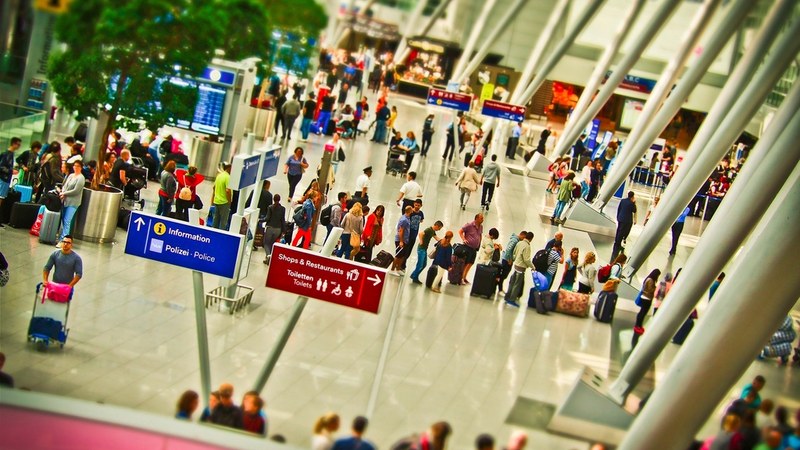
Passengers traveling through affected hub airports saw more significant delays than point-to-point travelers, as crews and aircraft delays accumulate throughout the day.
Travelers Should Allow Extra Time and Monitor Flight Status
Passengers with connecting flights at major US hubs are more likely to face delays, especially later in the day when disruptions build. Checking flight status before departure and leaving longer layover times can help offset schedule risks. Early bookings on alternate flights are advisable in case of cancellations.