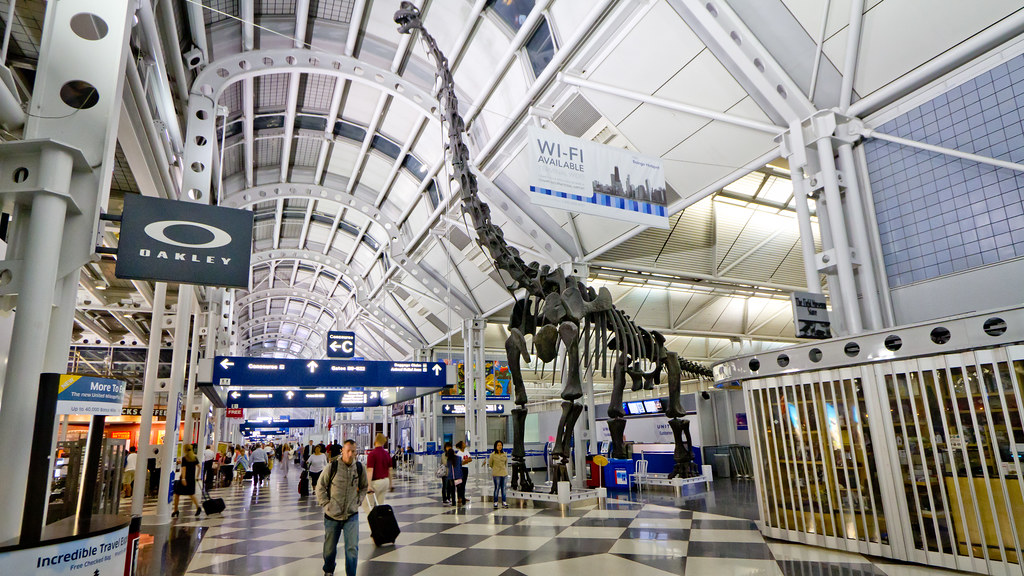
Flight Delays and Cancellations Impact Multiple U.S. Hubs
Throughout 2026, travelers across the United States are experiencing widespread flight delays and cancellations impacting major airports such as Dallas/Fort Worth International, Hartsfield-Jackson Atlanta International, and New York area airports. These disruptions have involved several leading domestic carriers, including American Airlines, Delta Air Lines, Southwest Airlines, and United Airlines, contributing to a challenging environment for air travel within the country.
Airlines Most Affected by Operational Interruptions
Among the carriers most frequently mentioned by affected passengers are American Airlines, Delta, and Southwest Airlines. Reports indicate that several flights have been canceled or significantly delayed, compounding travel difficulties especially at key connecting hubs. While specific causes behind these
interruptions have not been fully disclosed, the operational impact remains notable across the networks of these airlines.
Challenges Facing Travelers at Dallas, Atlanta, and New York Airports
Dallas/Fort Worth International Airport, a major American Airlines hub, has seen an uptick in cancellations disrupting both business and leisure travelers. Similarly, Hartsfield-Jackson Atlanta International Airport, the busiest hub for Delta Air Lines, has experienced delays affecting large volumes of passengers. Additionally, Southwest Airlines customers navigating New York airport terminals report extended waits and altered travel plans. These airports serve as crucial nodes in the U.S. air transport system, making such disruptions highly consequential.
Navigating Travel Disruptions: Practical Advice for Passengers
Monitor your flight status frequently through official airline channels
before heading to the airport to stay updated on any changes. Allow additional time for check-in and security processes, as congestion often increases during widespread delays. Review airline policies on rebooking and cancellations in advance to better understand options available during irregular operations. Consider flexible travel arrangements where possible, including alternate dates or routes, to mitigate potential disruptions. Stay informed on airport alerts and gate changes through mobile apps or airport information desks.
Analyzing the Wider Significance of U.S. Domestic Flight Disruptions
These ongoing flight interruptions underscore persistent challenges within the U.S. domestic aviation sector, including the complexity of managing high traffic volumes at major hubs and the operational
strain on airlines balancing multiple networks simultaneously. The disruptions affect not only individual traveler plans but also ripple through business schedules and broader tourism dynamics. Understanding how these issues develop and impact airport environments is critical for stakeholders aiming to improve passenger experiences and operational resilience.