Flight operations at Edmonton International Airport were disrupted on the morning of November 2, 2026, due to dense freezing fog that severely reduced visibility. The weather conditions led to multiple flight cancellations and delays affecting domestic routes within Canada and transborder flights to the United States.
Meteorological Conditions and Geographic Impact
Freezing fog with temperatures below freezing was recorded from late November 1 into the early hours of November 2 around Edmonton International Airport. Persistent light winds limited moisture dispersal, contributing to dense fog formation. Weather bulletins indicated extensive fog over central Alberta, including areas near and west of Edmonton city, extending into the early
morning and affecting airport and road visibility. Road travel south of Edmonton on highways and rural roads was impacted due to low visibility pockets, requiring slower speeds and extra travel time.
Affected Domestic and Transborder Routes
Multiple domestic flights connecting Edmonton with Calgary, Vancouver, Yellowknife, and Fort McMurray experienced cancellations and delays late on November 1. Canadian carriers cancelled several leisure flights originating from sun destinations such as Cancun and Puerto Vallarta. Transborder disruptions included at least one cancelled overnight arrival from Las Vegas and one from Phoenix, while a Houston flight arriving late on November 1 was significantly delayed.
Aviation Operational Responses to Low Visibility
Visibility levels fluctuated below thresholds
that normally trigger reassessment of arrival and departure rates by airlines and air traffic controllers. This resulted in ground holds, diversions, and cancellations. Safety protocols slowed ground handling operations due to the risk of ice from freezing fog on aircraft and airport surfaces. Airlines prioritized trunk routes to major hubs to maintain connectivity, resulting in more frequent cancellations on point-to-point and seasonal leisure routes. Advanced instrument landing systems continued to operate but minimum safety visibility requirements limited operations.
Schedule Normalization and Traveler Information
By mid-morning November 2, most daytime flights at Edmonton International Airport returned to on-time status, though several Vancouver morning flights remained cancelled.
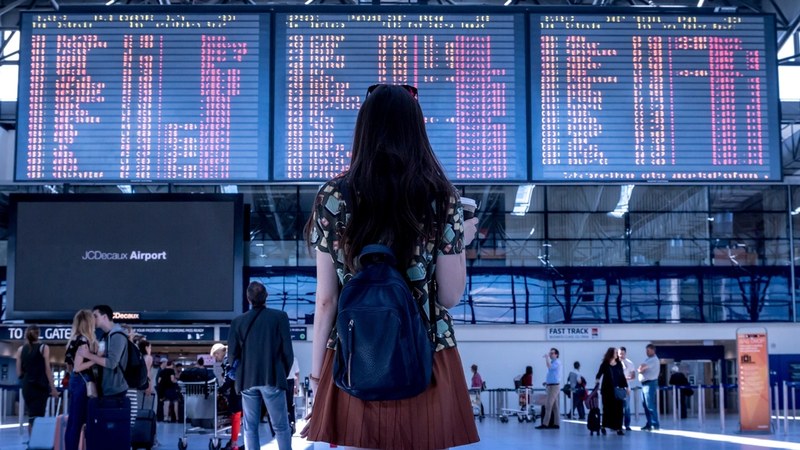
Airport information boards reflected this partial recovery with scattered cancellations persisting primarily on Vancouver routes. Travelers were advised to allow extra time when accessing the airport as fog-related low visibility pockets south of Edmonton required slower travel speeds on highways and rural roads. Residual schedule changes were expected for connections to northern destinations like Yellowknife and remote Alberta communities. Passengers were encouraged to monitor flight status online and keep updated contact information for notifications.
Seasonal Context and Traveler Guidance
Dense fog events like this follow a seasonal pattern in central Alberta where temperature inversions and longer autumn nights trap moisture near the surface, sustaining freezing
fog conditions. Temperatures below freezing and light winds hinder moisture dispersal, maintaining low visibility conditions at Edmonton International Airport. Airlines recommend allowing extra buffer time for late autumn and winter travel through Edmonton to accommodate potential weather disruptions. Rebooking and same-day change policies vary between Canadian carriers serving the airport.