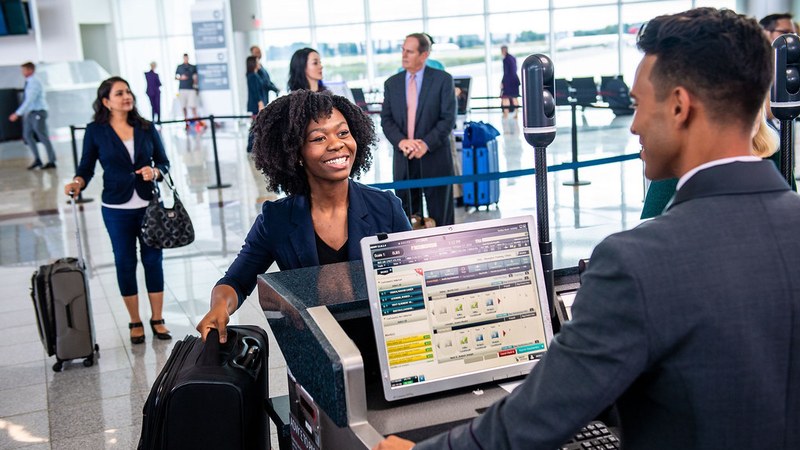
More than 60% of air passengers have experienced biometric identity verification within the last year, according to the International Air Transport Association (IATA)’s 2026 Global Passenger Survey published in October. The survey highlights increasing adoption and passenger demand for biometric technologies in global air travel.
Passenger Acceptance and Satisfaction
The survey found 87% of travelers reported satisfaction with their biometric experiences, and 78% expressed willingness to share biometric data to avoid presenting passports or boarding passes during airport procedures. Interest in digital passports also grew, with 84% interested in using a digital passport for online check-in and 82% willing to share it with airlines
for personalized services.
One ID Certification Developments
IATA awarded its first One ID certifications in 2026 to Air New Zealand and Hong Kong International Airport for meeting global digital identity and biometric standards. This certification covers digital admissibility, contactless travel, biometric data handling, and privacy governance, ensuring trusted frameworks for digital travel credentials.
Regional Biometric and AI Trends
North America leads in biometric use but also shows the highest concerns over data breaches. The Asia-Pacific region ranks second in both biometric adoption and traveler satisfaction. Meanwhile, European passengers are the least willing to use biometrics or digital passports. The Middle East shows the highest AI usage for travel planning
and biometric interest, whereas Africa has the strongest demand for digital travel solutions and reports the greatest deterrence due to immigration complexity.
Digi Yatra Biometric Trials in India
Starting November 1, 2026, Indian nationals holding e-passports flying with Air India and IndiGo can use digital credentials from Digi Yatra wallets at seven Indian airports. This pilot, running through December 2026, allows biometric verification at terminal entry, security holds, and boarding gates without replacing immigration or mandatory document checks. Digi Yatra currently has 25.6 million users and will launch a redesigned interface ahead of a planned wider rollout in 2027.
IATA Statements on Biometrics and Digital Travel
Nick Careen, IATA Senior Vice President of
Operations, Safety and Security, emphasized the growing passenger embrace of technology, saying, “Passengers are embracing technology to make travel easier. AI is becoming a mainstream travel planning tool, while biometrics and digital identity are creating a faster and more seamless airport experience.” He added governments could assist by simplifying entry requirements and speeding the issuance of secure digital travel credentials.
Careen also noted, “More passengers are experiencing biometrics during their travel. They like it and want more. That’s good news because the benefits are substantial – smoother journeys for passengers and more efficient, secure processes for governments and airlines.” He
underlined that One ID Certification builds traveler trust through verified biometric data handling and privacy protections.
Immigration Complexity and Data Security Challenges
The survey showed 43% of passengers were deterred from destinations due to entry requirements in 2026, up from 33% the previous year. Complexity of immigration procedures was cited by 53% of those discouraged, with 17% each pointing to privacy and cost concerns. Although over 100 countries issue eVisas, inconsistent verification methods persist. Data security remains a challenge, with 59% worried about breaches and 41% expressing uncertainty about personal data handling.
Support Tools for Biometric Adoption
IATA’s Contactless Travel Directory facilitates adoption of biometric ID by connecting airlines, airports, and
border control authorities to enable interoperable digital identity systems. This supports the broader rollout of Digital Travel Credentials and biometrics for contactless passenger processing worldwide.