Major U.S. Airports Grapple With Flight Delays and Cancellations
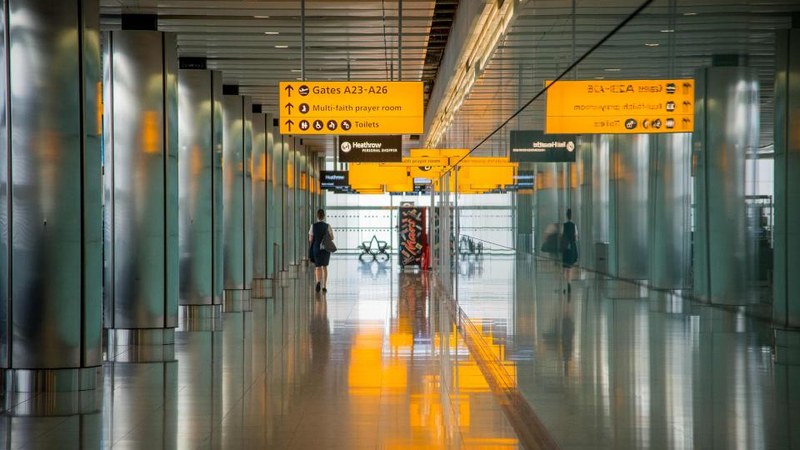
Recent weeks have seen a surge in travel disruptions across multiple prominent U.S. airports, including hubs such as Newark, Austin, and Minneapolis. Passengers have faced pervasive airport flight delays and an increased number of cancellations, creating ripple effects that extend across connecting flights and beyond. Airlines affected include major carriers Southwest, United, Delta, and American Airlines. This widespread operational stress adds to the complexity already normalizing in the post-pandemic travel recovery period.
Travelers navigating these disruptions often report congested terminals, prolonged waiting periods, and unpredictable changes to itineraries. With airports across the country serving as critical nodes in domestic travel,
the scale of these operational challenges has significant implications for overall US domestic travel chaos.
Technology Shortcomings Fuel Airline Operational Issues
Data and industry analyses suggest that outdated or overburdened technology systems in airlines’ operational frameworks are key factors exacerbating the travel disruptions. These issues are particularly visible in how flight schedule adjustments, crew assignments, and gate management are handled during periods of irregular operations.
Although environmental factors like weather and staffing shortages commonly impact flight performance, current trends highlight how airline operational issues extend beyond these variables to underlying tech bottlenecks. Legacy systems may struggle to cope with dynamic, real-time requirements, leading to delays cascading
across multiple hubs.
Such technological constraints hinder quick responses to operational challenges, limiting airlines’ ability to rebook passengers efficiently or optimize flight dispatching when faced with disruptions. This in turn contributes to passenger inconvenience and increased strain on airport facilities.
Traveler Impacts and Adaptive Strategies
Given the ongoing flight disruptions, travelers are advised to consider potential delays and cancellations when planning their U.S. domestic trips. It is advisable to allow flexible connections and monitor airline communications closely, as real-time updates may affect itineraries without extensive advance notice.
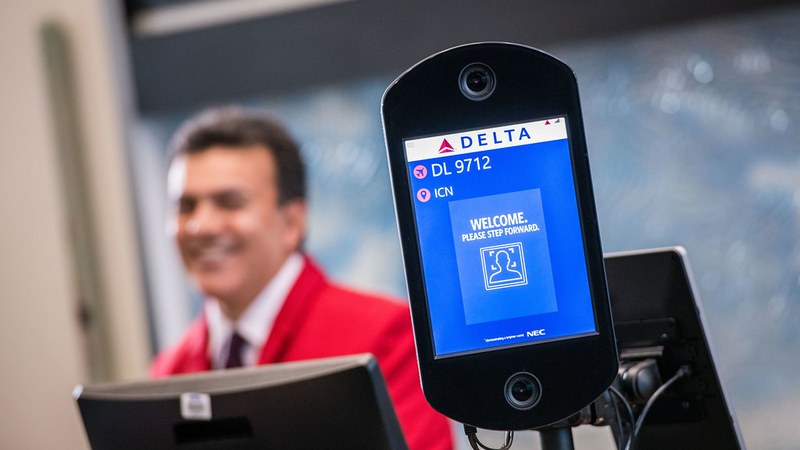
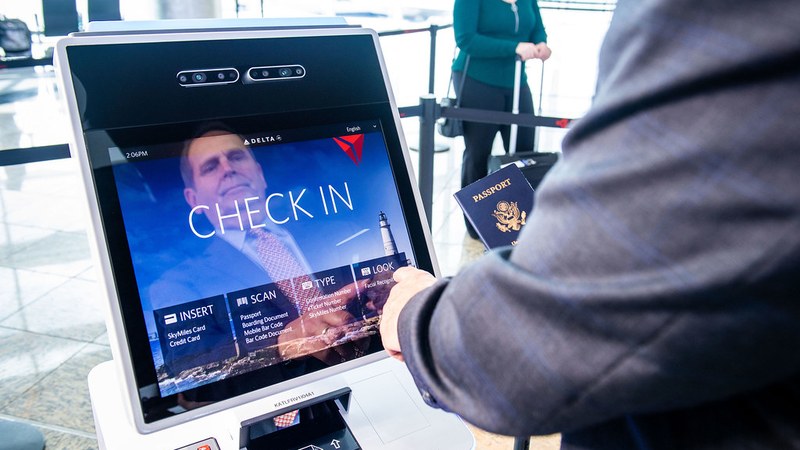
Leveraging technology-enabled solutions can help mitigate the stress of travel interruptions. Many airlines now provide digital tools for
rebooking and flight status notifications, which can streamline rescheduling processes during irregular operations. Passengers might also benefit from prioritizing access to airport lounges where available, as these spaces can offer a more comfortable environment during extended waits.
Additionally, arriving earlier and maintaining open communication with airline customer service can improve travelers’ navigation of delays or cancellations. These practical steps may assist in reducing uncertainty and making travel disruptions more manageable.
Looking Ahead: The Need for Enhanced Operational Technology
The recent flight delays and operational challenges underscore the critical need for the airline industry to invest in modernizing technology infrastructure. Airlines historically reliant on aging systems face increased pressure
to adopt more scalable, agile platforms capable of supporting dynamic air travel demand and rapid operational adjustments.
Upgrading technology could also unlock more sophisticated capabilities for predictive analytics, crew management, and customer engagement during irregular operations, thereby enhancing overall reliability and passenger experience.
As U.S. domestic travel continues to recover and evolve, addressing these airline operational issues through targeted tech improvements will be an important focus for carriers seeking to minimize disruptions and meet growing traveler expectations.
While the path forward requires both technical and organizational adjustments, travelers affected by the current wave of delays should prepare for a potentially
bumpy experience but can look to emerging digital tools to better navigate evolving travel conditions.