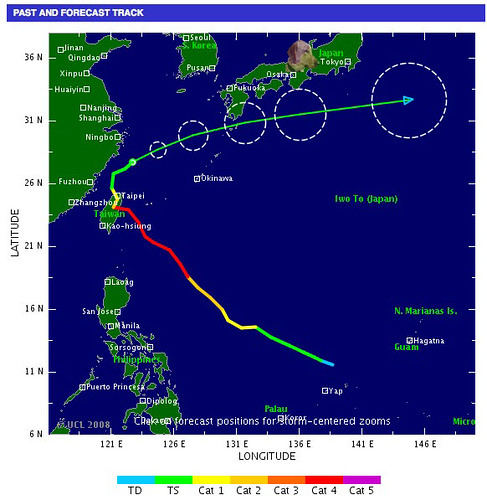
Typhoon Jangmi severely disrupted air travel in eastern Japan during early June 2026, with more than 1,400 flights canceled across major airports in Tokyo and Osaka. The cancellations involved key carriers operating in the region, notably including Japan Airlines and All Nippon Airways (ANA), which implemented widespread operational adjustments due to the storm’s impact.
Transport services beyond aviation were also affected, as rail networks throughout eastern Japan experienced interruptions amid the typhoon. Despite the disruption, airports in Tokyo, Osaka, and surrounding cities such as Kyoto remained operational and have begun recovery efforts shortly after the weather event. Travelers using these
hubs should anticipate continued flight delays and cancellations while normalcy is restored.
Extent of Disruption Across Eastern Japan
In addition to Tokyo and Osaka, several other locations in eastern Japan were impacted by the storm’s effects, including Okinawa, Fukuoka, Kagoshima, and Miyazaki. The widespread nature of cancellations and delays extends across both air and rail transportation, reflecting the storm’s broad disruption to travel infrastructure in these areas.
The scale of cancellations—at least 1,432 flights—highlights the challenge faced by the airlines in maintaining schedules during severe weather conditions. The typhoon forced airlines to alter their operations significantly to ensure passenger safety, resulting in one of the largest
disruptions to flights in the region for the period.
Authorities and transportation companies have been working on recovery and resumption of services, aiming to restore regular operations across the affected airports and rail lines. Travelers in Japan are advised to verify flight statuses and plan accordingly while services continue to stabilize in the aftermath of Typhoon Jangmi.