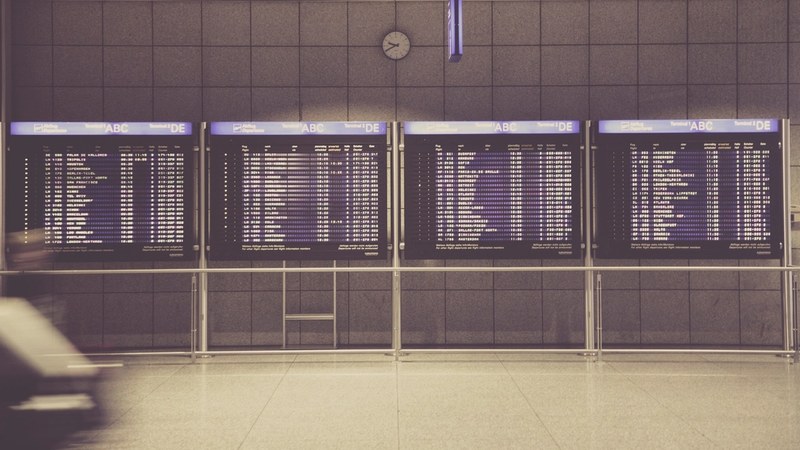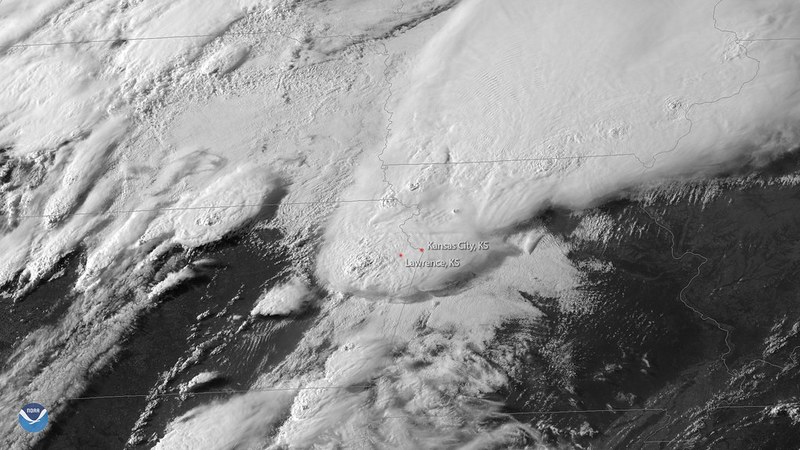
Thunderstorms over New Jersey on August 27, 2026, led the Federal Aviation Administration (FAA) to enforce a ground stop at Newark Liberty International Airport (EWR) starting before 9:40 a.m. local time. The FAA implemented a Traffic Management Program at Newark to restrict arrivals and hold departing flights on the ground, with the ground stop expected to last through at least 10:00 a.m. The program included gate holds and extended taxi times for departures to mitigate congestion caused by severe weather.
Delays and Flight Cancellations at Newark, JFK, and LaGuardia
Newark departures faced gate-hold and taxi delays of approximately two hours during the early afternoon amid intensifying thunderstorms. Although arrival
delays at Newark were lower, the compounded effects significantly disrupted the airport’s schedule. LaGuardia Airport (LGA) experienced major ground and arrival delays, with average delays exceeding 90 minutes. According to FlightAware data as of 9:45 a.m. EDT on August 27, LaGuardia reported 42 cancellations, representing 7% of total flights, and 101 delays, or 18% of scheduled operations. John F. Kennedy International Airport (JFK) recorded 19 cancellations and 48 delays without imposing a ground stop. Across the United States, FlightAware reported 1,522 flight delays and 172 cancellations linked to the weather systems.
Meteorological Causes of Disruptions
The thunderstorms were fueled by unstable atmospheric conditions, with
warm humid air meeting an advancing frontal boundary over New Jersey and the New York metropolitan area. The National Weather Service (NWS) issued a Flood Watch for the JFK vicinity from noon until late evening on August 27, warning of heavy rain and potential localized flooding. The convective weather included hazards such as severe turbulence, wind shear, lightning, and rapid visibility changes, which reduced available airspace and runway capacity at all three major New York airports. The storm cells restricted approach and departure corridors, intensifying delays in the congested regional airspace.
Traveler Impact and Airline Responses
Passengers departing or arriving at Newark faced average gate
and taxi delays of around two hours, with the possibility of extended tarmac waits during ground holds. Flights into LaGuardia suffered average delays exceeding 90 minutes. Although JFK operated without a formal ground stop, cancellations and delays were notable. Several major airlines serving the New York airports issued flexible travel waivers, permitting customers to change or rebook flights without extra fees due to weather-related disruptions. Travelers were encouraged to monitor airline communications closely as conditions evolved rapidly.
New York Airspace Complexity and FAA Management
The New York metropolitan airspace features three closely spaced major airports: Newark, JFK, and LaGuardia. The FAA’s Traffic Management Program uses ground stops
and flow-control measures to manage congestion during severe convective weather, which frequently restricts available routes and runways. Recent federal policies have adjusted slot controls and scheduling limits at these airports to address chronic congestion and operational staffing challenges. Despite these efforts, thunderstorms and other convective events during peak summer months continue to cause recurring ground stops and cascading flight delays across the region.