Operational Challenges Surge at Leading U.S. Airports
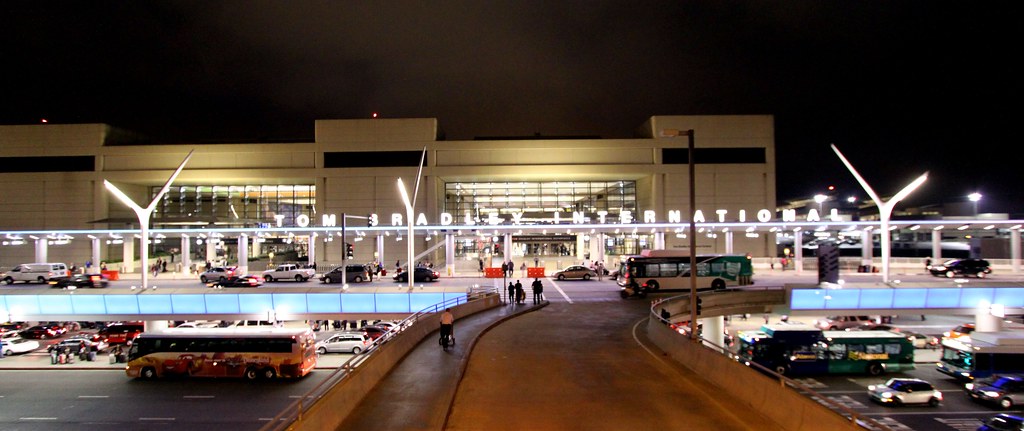
The peak summer travel season of 2026 is marked by significant operational difficulties across some of the nation’s busiest airports, including Los Angeles International Airport (LAX), Newark Liberty International Airport, and Austin-Bergstrom International Airport. Reports indicate that these hubs are experiencing heightened flight delays, cancellations, and notably extended security checkpoint wait times, disrupting travel plans for both domestic and international passengers.
These issues are reflected in widespread media and official airport communications, with delays and operational hiccups affecting multiple airlines and passengers’ connectivity. Airlines such as United, Delta, American, and Southwest have been particularly impacted, facing difficulties in maintaining schedules
amid increased demand and operational strain.
LAX and Newark: Security Bottlenecks Hampering Passenger Flow
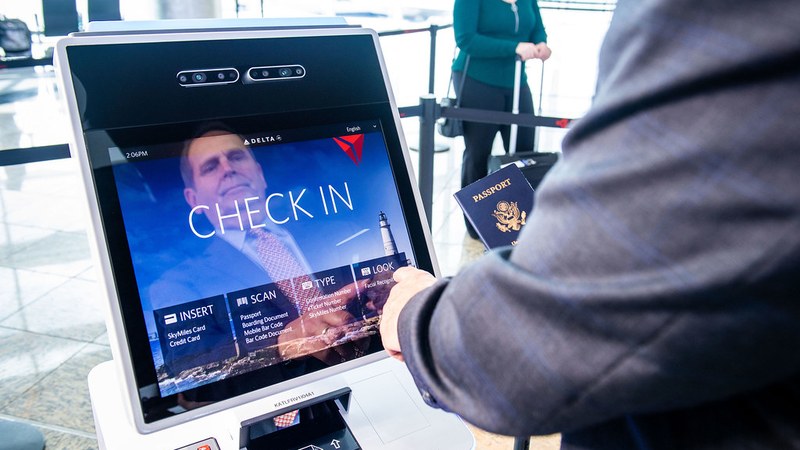
One of the most pronounced challenges this summer lies in escalated TSA security checkpoint wait times, especially at LAX and Newark Liberty airports. Travelers report much longer processing periods, contributing to missed connections and heightened stress during check-in.
While exact wait durations vary depending on terminal and time of day, the consistent pattern of backlogs is causing ripple effects throughout airport operations. With peak season crowds returning after pandemic-related travel declines, these airports are struggling to restore the balance between throughput and safety protocols.
Flight Delays and Cancellations Affecting Passenger Plans
Alongside security delays, flight disruptions have increased with hundreds of
delays and cancellations recorded at major U.S. airport hubs this summer. These disruptions are attributed to a combination of factors, including staffing shortages, technical issues, and demand surges. Passengers have experienced last-minute gate changes, prolonged waits on tarmacs, and occasional outright cancellations.
The effect extends across both domestic and international networks, impacting a broad spectrum of travelers ranging from leisure vacationers to essential business travelers. Airlines are currently adapting schedules and aircraft deployments to mitigate the growing congestion, but challenges remain substantial during this peak travel window.
Broader Implications for U.S. Travel and Tourism Industry
The travel operational challenges at these key gateway airports hold deeper implications for
the U.S. tourism sector and related industries. Summer remains a critical revenue period for airlines, airports, and hospitality partners, with disruptions potentially dampening traveler confidence and spending patterns.
Airports and industry stakeholders face increased pressure to enhance staffing, streamline security processes, and accelerate infrastructure upgrades. These measures are essential to sustaining competitiveness and accommodating an anticipated rise in passenger volumes throughout the year.
Airline and Airport Coordination Efforts
In response to the operational adversity, collaboration between airlines, airport authorities, and federal agencies like the TSA has intensified. Contingency protocols and ramped-up customer service efforts aim to alleviate passenger strain and improve on-time performance.
Still, experts
caution that systemic challenges such as workforce recruitment and technological integration need more substantial progress to prevent similar disruptions in future peak travel seasons.
Passenger Experience in the Midst of Summer Travel Disruptions
For travelers this summer, the operational congestion and security backlogs translate into extended wait times, unpredictable schedules, and increased uncertainty. Those traveling through LAX, Newark, and Austin-Bergstrom airports are encouraged to allow additional time for airport processing and monitor airline updates closely.
The timing of these operational difficulties compounds the typical summer travel pressures, impacting international visitors arriving in the U.S. during their peak vacation season, as well as Americans navigating busy holiday periods.
The ongoing
travel disruptions highlight the delicate balance between growing passenger demand and the capacity of U.S. airports and airlines to accommodate this volume efficiently.