Passengers traveling through Copenhagen Airport in July 2026 are experiencing widespread delays and cancellations caused by a combination of adverse summer weather, staffing shortages, and airline scheduling adjustments. The airport, which is a major transfer hub for Denmark and the wider Scandinavian region with high daily flight volumes, is operating near full capacity during the peak summer travel season.
Flight Delays and Cancellations Affect Key Routes
Scandinavian Airlines flights have been notably impacted, with above average delays reported on routes connecting Copenhagen to southern European cities such as Milan and Helsinki. Long haul services between Copenhagen and Mumbai have experienced multiple last-minute cancellations in June and early
July 2026, with some passengers notified only one or two days before departure. These disruptions have forced rebookings, rerouting through other European hubs, or refunds. Additionally, some short-haul European flights from Copenhagen have seen schedule reductions and delays, creating uncertainty for passengers relying on tight same-day connections.
Operational Challenges: Weather and Staffing Constraints
Adverse weather events earlier in 2026 involving high winds and low visibility caused flow restrictions and extended aircraft turnaround times at Copenhagen Airport. These weather-related delays continue to affect daily operations. Staffing difficulties, particularly at security and passport control, have resulted in longer queues, especially during the early morning wave of long haul
departures. Tight turnaround windows at this busy transfer hub mean that even small delays in boarding can cascade into further setbacks throughout the day’s flight schedule.
Cross-border ground transport from southern and western Sweden, including buses and trains, frequently experiences delays that add strain on passengers arriving at Copenhagen Airport for connections. This further complicates on-time departures for onward flights.
Passenger Impact and Rights
Passengers have reported missed connections leading to disrupted travel plans, including missed family events and extended hotel stays during transit. Some face financial losses due to non-refundable bookings that assumed stable transfers. Notifications of cancellations often come with little advance
warning, increasing passenger stress. European Union passenger rights offer potential compensation or assistance depending on the cause and notice period of the disruption. Travelers are encouraged to retain boarding passes, booking confirmations, and airline communications to support claims.
Regional Implications and Airport Capacity
Copenhagen Airport’s role as a transfer hub for travelers from Denmark, Sweden, Norway, and Finland means localized disruptions ripple through the wider Nordic region. Passengers connecting from Gothenburg, Bergen, and Helsinki may experience delays beyond their control due to cascading scheduling issues. The airport’s close-to-capacity operations amid a summer rebound in passenger numbers following pandemic lows amplify sensitivity to weather and staffing
problems. Airlines and airport operators face similar challenges prevalent across European hubs this summer, balancing high demand with resource constraints.
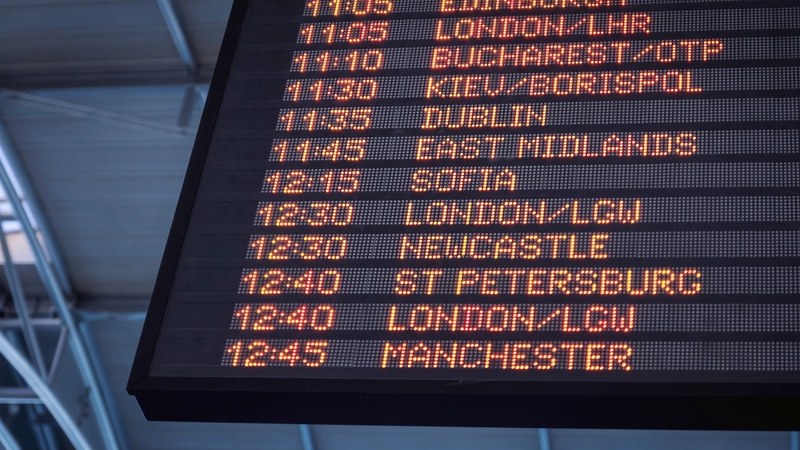
Flight boards during the peak period show that most departures and arrivals occur on time, though pockets of delay and cancellations remain. Travel through Copenhagen in mid-2026 continues to require additional connection time and vigilant monitoring of flight status.