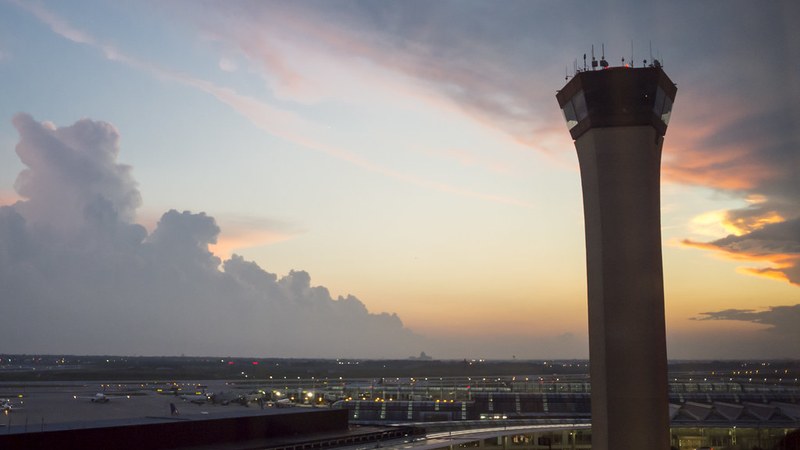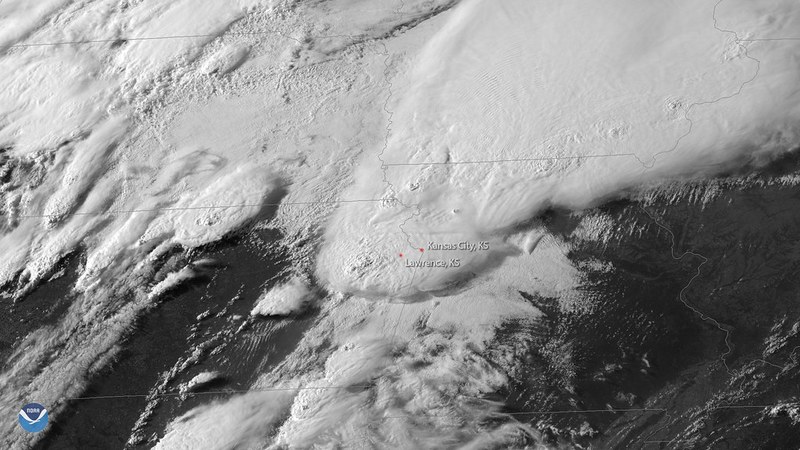
Severe thunderstorms combined with chronic shortages of certified air traffic controllers triggered extensive flight disruptions across the New York metropolitan area on July 11, 2026. The Federal Aviation Administration’s (FAA) Air Traffic Control System Command Center responded by implementing traffic management measures to maintain safe aircraft separation while limiting airport arrival and departure capacity.
Flight delays and cancellations impact JFK, LGA, EWR and PHL
By midnight on July 11, more than 500 flights had been cancelled and over 4,000 delayed at John F. Kennedy International Airport (JFK), LaGuardia Airport (LGA), Newark Liberty International Airport (EWR), and at times Philadelphia International Airport (PHL). These figures make this one of the most
severe travel disruption events of the summer for the Northeast U.S. corridor.
FAA ground stops and ground delay programs implemented
To manage reduced operational capacity caused by thunderstorms and staffing shortfalls, the FAA enforced successive ground stops that temporarily halted departures bound for JFK, LGA, EWR, and PHL. Ground delay programs slowed the arrival flow into these airports to align with limited runway and controller availability. These steps aimed to maintain safe separation amid constrained airspace.
Passenger stranding and airline repositioning efforts
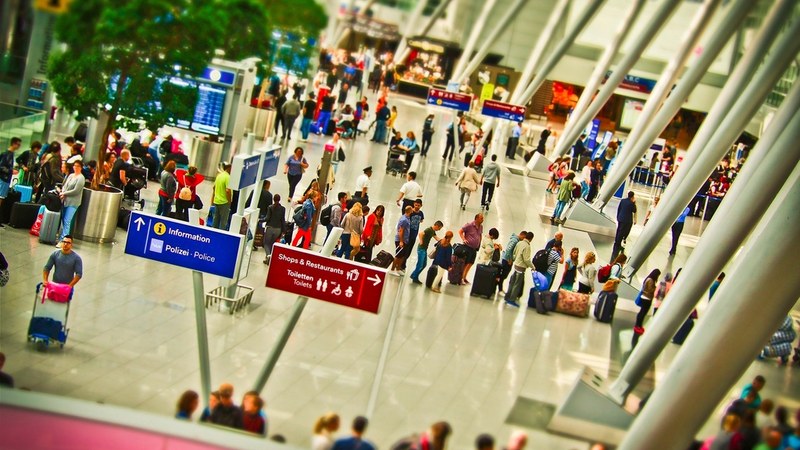
Thousands of passengers were stranded as the disruption accumulated, with delays persisting even after storms moved out of the region. Airlines worked overnight to reposition aircraft and crews in attempts to stabilize
operations. Travelers experienced significant delays across the interconnected New York area hubs, underscoring the challenges faced during peak summer travel conditions.
The FAA’s limited controller staffing constrained its ability to flexibly manage airspace during adverse weather, amplifying delay lengths and cancellation numbers.
Significance of New York area airports and ongoing challenges
The New York metropolitan area hosts some of the busiest and most interconnected airports globally. Disruptions at JFK, LaGuardia, and Newark frequently affect the broader national aviation network due to their roles as major domestic and international hubs. This July 11 event stands as one of the most impactful air travel disruptions in the region this summer, highlighting
the persistent difficulties caused by severe summer thunderstorms and air traffic control staffing shortages.