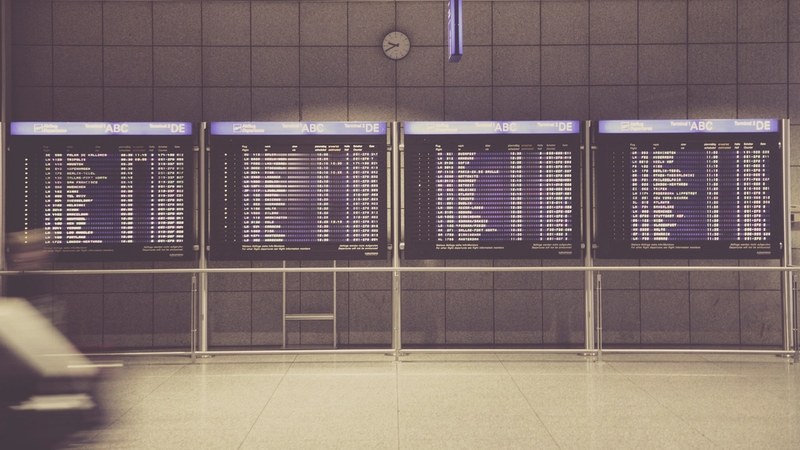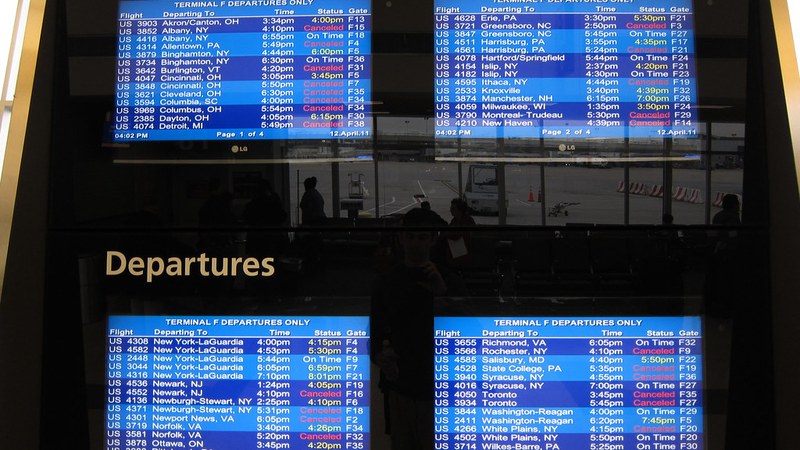
A fast-moving storm system on November 10, 2026, caused flight delays and cancellations at nine major US airports, forcing the Federal Aviation Administration (FAA) to implement ground delay programs and arrival restrictions across several hubs.
Key Airports Affected and Weather Conditions
Seattle–Tacoma International Airport experienced low ceilings and reduced visibility during the morning, with possible additional delays from shifting winds. New York LaGuardia and other New York-area airports faced ground delay programs and slower arrival flows due to gusty winds and rain showers. Boston Logan Airport, along with four other airports earlier in the day, was under ground delay programs triggered by a mix of low
ceilings, reduced visibility, and crosswinds.
FAA Traffic Management and Delay Patterns
FAA air traffic dashboards showed weather-related initiatives placing caps on arrivals and departures at the nine airports to maintain safety. Delays were most pronounced during morning and late afternoon peak operations. On an average day, US airports manage over 45,000 flights, and even brief restrictions at major hubs can disrupt schedules involving hundreds of thousands of passengers due to cascading flight and crew delays.
Storm Corridor and Weather Impact Across Regions
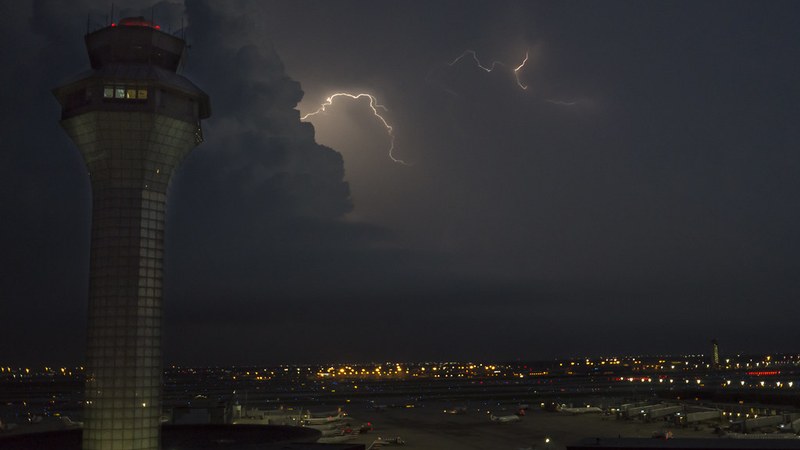
The storm extended from the Pacific Northwest, through the Upper Midwest, to the Northeast. It caused low clouds, rain, gusty winds, crosswinds, and thunderstorms. Weather charts from the National Weather Service’s
Aviation Weather Center indicated conditions intermittently fell below visual-flight minima, requiring instrument approaches. Midwestern cities including Chicago and Detroit saw flight holding patterns and reroutes, further adding to cumulative congestion.
Passenger Impact and Airline Responses
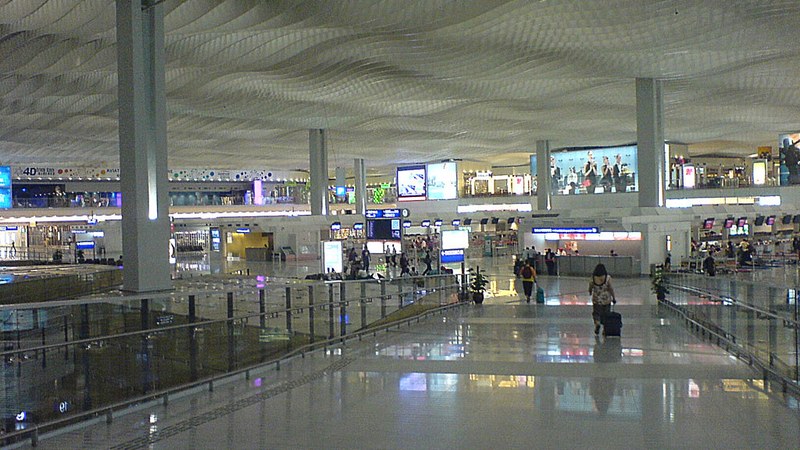
The disruptions resulted in flight cancellations, delays, and longer terminal queues at the affected airports. Passengers traveling through secondary airports experienced knock-on delays from missed connections tied to these nine hubs. Major US airlines monitored the evolving weather and applied targeted travel advisories and fee-waivers for affected passengers without issuing broad system-wide waivers. Passengers encountered extended wait times particularly for late-day flights requiring rebooking or accommodations.
Rising Ground Stops and Airspace Constraints
FAA statistics reveal ground
stops at the nation’s 30 largest airports increased nearly 20% year-on-year by 2024, driven by more frequent intense storms overwhelming busy airspace. Weather and national airspace issues accounted for close to 10% of all delay minutes in 2024. Staffing constraints in air traffic control and ground operations amplify delays when tactical rerouting and spacing increase controller workload during adverse weather.
Forecast and Traveler Advisories
The storm continued moving eastward overnight with lingering low clouds and rain expected to affect early operations on November 11, 2026. Travelers passing through the affected airports were advised to allow extra connection time, consider earlier departures, and consult FAA
and airline delay trackers for real-time updates. Some passengers faced residual delays after the main storm phase due to ongoing airspace and weather constraints.