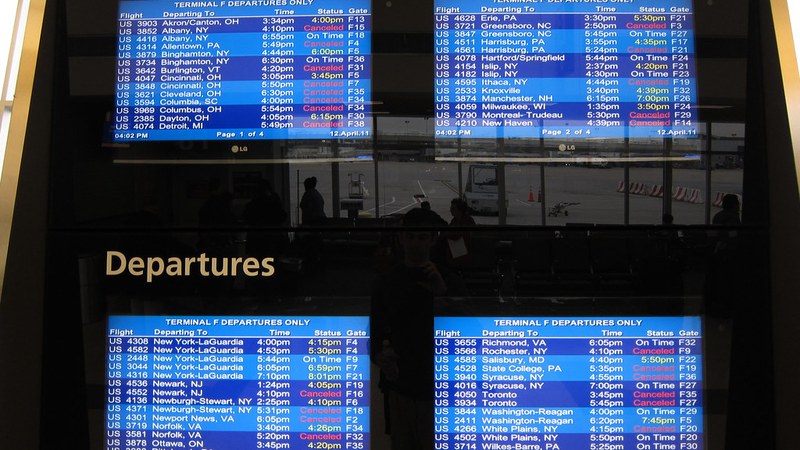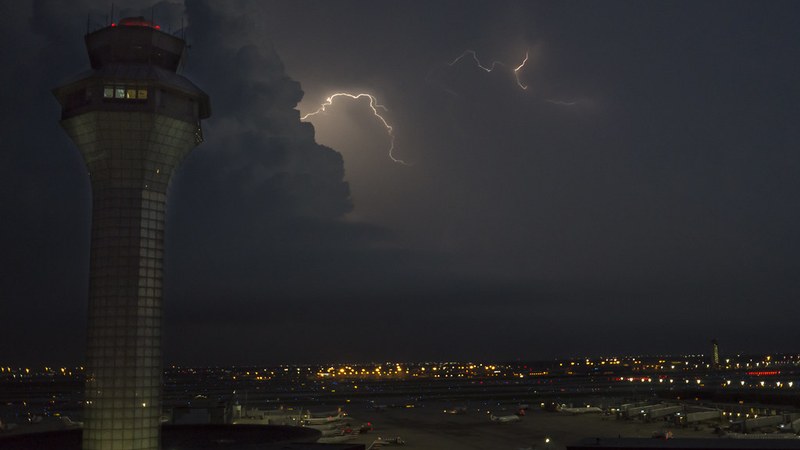
On November 10, 2026, a fast-moving storm system caused operational disruptions at nine major US airports, resulting in more than 382 flight delays and 58 cancellations. The storm brought low cloud ceilings, gusty winds, rain, and embedded thunderstorms across key hubs including Seattle–Tacoma International Airport, New York LaGuardia Airport, and Boston Logan International Airport.
FAA Implements Ground Delay Programs and Arrival Restrictions
The Federal Aviation Administration deployed ground delay programs at Seattle–Tacoma International and New York LaGuardia airports in response to deteriorating weather conditions. At Seattle–Tacoma, low visibility and ceiling reductions combined with potential wind alignment challenges led to slower arrival flows. New York LaGuardia faced gusty surface
winds that resulted in reduced arrival rates. Boston Logan International Airport also experienced arrival restrictions as a precaution due to the storm system.
Flight Impacts and Historical Context
Over 382 flights were delayed and 58 flights canceled nationwide on November 10 amid these weather-related traffic management initiatives. FAA data indicates that the US airspace typically handles over 45,000 daily flights, making even short-term restrictions at major hubs impactful for hundreds of thousands of passengers. The US Bureau of Transportation Statistics has reported a nearly 20% increase in ground stops at the 30 largest airports in 2024 compared to previous years, partly driven by intensifying convective
weather.
Storm’s Path Disrupts Nationwide Flight Corridors
The storm system moved from the Pacific Northwest across the Upper Midwest to the Northeast corridor during the day. Radar showed rain bands in the Midwestern states, affecting inbound flights to Chicago and Detroit with holding patterns and reroutes. East Coast airports including Boston Logan, New York LaGuardia, and other hubs faced arrival restrictions due to gusty winds and low cloud ceilings. The cumulative effect disrupted main flight corridors connecting the West Coast to the East Coast, leading to cascading delays at secondary airports from missed crew and aircraft connections.
Passenger Consequences and Travel Advisories
Passengers experienced widespread delays and cancellations, with those connecting
through the affected northern airports expected to face residual disruptions into the early morning of November 11. Airlines monitored evolving conditions at the nine impacted airports and adjusted waiver policies accordingly. Consumer guidance recommended building extra connection time, favoring earlier departures, and continuous monitoring of flight status through airline and independent tools. Assistance such as rebooking without change fees, meal, or hotel support may apply where disruptions persist beyond hazardous weather conditions.
Systemic factors like constrained staffing in air traffic control and ground operations limited recovery capacity, prolonging schedule disruptions despite the storm’s progress. National aviation system-related causes, including weather
and traffic flow management, accounted for roughly 10% of all flight delay minutes in 2024, with spikes on days involving multi-region storms like November 10.
The National Weather Service’s Aviation Weather Center provided real-time outlooks and warnings, with FAA advisories refreshed every few minutes to guide operations at affected airports and routes. The storm system was expected to continue eastward into the Atlantic by the evening of November 10, with residual low clouds and showers likely affecting flights early on November 11.