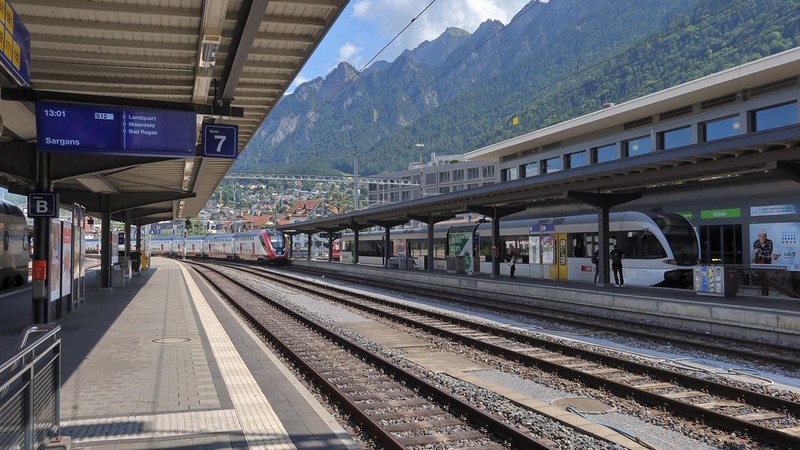
Spanish train drivers began a strike on Tuesday, November 10, 2026, halting approximately 40% of long- and medium-distance train services. The stoppage followed two fatal collisions on the Madrid-Seville high-speed rail line this year, including an October 28 crash that claimed at least 69 lives. Earlier in January, another accident on the same route killed 46 people, escalating safety concerns among drivers and passengers.
Service Cancellations and Passenger Impact
Renfe reported cancelling 40% of its long- and medium-distance services on the strike’s first day, directly affecting 4,042 passengers. Commuter rail networks experienced severe disruptions, with around 90% of Madrid’s Cercanias train services cancelled and at
least five lines completely non-operational. Three additional commuting lines in Madrid operated partially. In Barcelona, 50% of the local Rodalies services were cancelled, causing delays and failures to meet minimum service requirements. Commuters in Leganes had to rely on bus transportation to reach central Madrid. Renfe provided passengers options for free ticket changes or cancellations but faced limited rebooking availability.
Strike Causes and Union Demands
The strike results from unresolved safety issues following the two deadly crashes on the Madrid-Seville line in 2026. The latest accident involved a Renfe-operated train proceeding despite a signal failure while an Iryo-operated train remained stationary on the same track
ahead. After the January accident, talks between the train drivers’ union Semaf and the government to improve safety stalled in April. Drivers demand enhanced investment in maintenance and safety, clear protocols for operating in severe weather, and a prohibition on resuming normal speeds after automatic train protection system failures. The strike was called a day after the October 28 crash, with prior walkouts planned for October 29 over similar safety grievances.
Government Response and Union Actions
Following the recent crashes, Prime Minister Pedro Sanchez appointed Carlos Cuerpo as the temporary Transport Minister after Oscar Puente resigned. Cuerpo met twice with Semaf representatives within a week
to discuss safety concerns. The Spanish government also enacted a decree granting train drivers the right to halt or refuse to operate trains when facing serious imminent danger and allows confidential reporting of safety risks without retaliation. Semaf acknowledged progress from talks but maintained the strike and announced additional stoppages scheduled for Thursday during morning and evening peak hours as well as late night. The strike additionally disrupted high-speed services on the Madrid-Barcelona and Madrid-Valladolid routes.
King Felipe VI and Queen Letizia attended the funeral for victims of the October 28 crash held at Toledo Cathedral on the strike’s first
day.