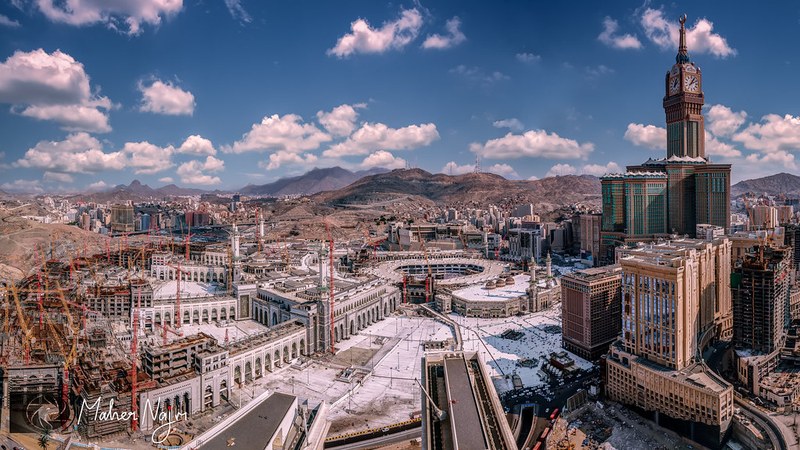
Radisson Hotel Group currently operates 35 hotels in Saudi Arabia and has 15 additional properties under construction. The company aims to have 100 Radisson hotels either operating or in development within the kingdom by 2030, reaffirming its long-term commitment to the Saudi market.
Saudi Arabia Leads Gulf Hotel Market Recovery
Radisson’s expansion plans contrast with uneven recovery across the Gulf region’s hotel markets. Saudi Arabia’s sector is buoyed by strong domestic demand, enabling better performance compared to other Gulf states such as the United Arab Emirates. The company notes that markets reliant on international tourism saw greater disruption amid geopolitical tensions.
Radisson Maintains Regional Targets Despite 2026 US-Iran Conflict
Elie Younes, Radisson Hotel Group’s Executive
Vice President and Global Chief Development Officer, confirmed that the group’s strategic goals for the Gulf have not changed despite a slight slowdown in contract signings and expansion during 2026. The US-Iran war partly contributed to this slowdown. Younes said, “Our targets for the region have not changed, although there may be a slight slowdown in signing volumes and business expansion this year because of the war. But if you’re in it for the long run, there’s no change.” He emphasized continued confidence in Saudi Arabia, Vision 2030, Dubai, and the broader Gulf region.
Vision 2030 Underpins Confidence in Saudi Market
Radisson’s growth ambitions in Saudi Arabia
are closely linked to the country’s Vision 2030 initiative, which supports long-term development in the hospitality sector. This government strategy provides a foundation for sustained hotel market expansion, reinforcing Radisson’s outlook amid wider geopolitical uncertainties affecting the Gulf region.