Portugal commenced construction on its first high-speed rail line connecting Porto Campanhã station to Lisboa Oriente station on October 12, 2026. The 290-kilometer project will be implemented in three phases to enhance rail connections between the two cities.
Line Design and Technical Specifications
The rail line will support speeds up to 300 kilometers per hour and utilize Iberia’s 1,668 mm track gauge to ensure compatibility with the existing conventional network. The route includes eight tunnels and 15 viaducts, featuring a combined road and rail bridge over the River Douro.
Construction Consortium and Financing Structure
The initial 71-kilometer segment from Porto to Oiã, near Aveiro, is led by the AVAN consortium,
which includes Mota-Engil, Teixeira Duarte, Alves Ribeiro, Casais, Conduril, and Gabriel Couto. This first phase operates under a 30-year public-private partnership concession with a total budget of €2.651 billion.
Funding sources comprise €628 million from the Portuguese government, €165 million from the AVAN consortium, €1 billion from a syndicate of 13 commercial and institutional lenders on loans between 25 to 28 years, €844 million from the European Investment Bank on a 28-year loan, €450 million from the European Union’s Connecting Europe Facility, and €52 million in mezzanine financing.
Station Infrastructure and Metro Connections
A new underground station will be constructed beneath Vila Nova de Gaia
with platforms extending 405 meters in length and positioned 60 meters below ground. This station will provide interchanges with Metro do Porto’s Yellow Line and the upcoming Rubi Line.
Train Procurement and Completion Timeline
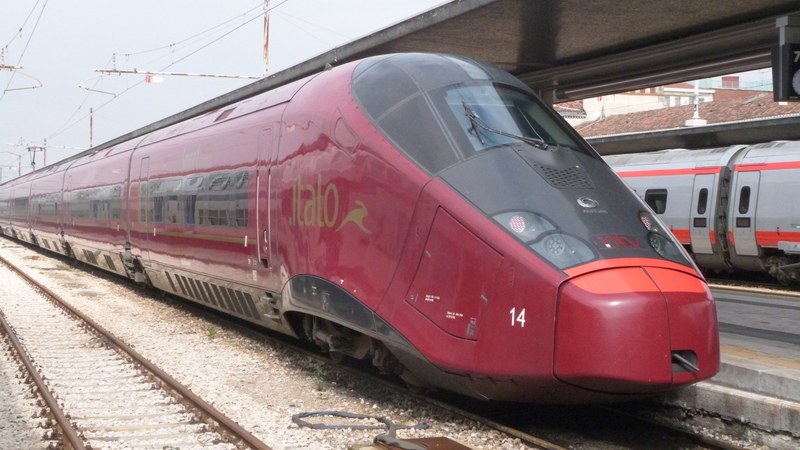
The national rail operator CP has prequalified Alstom and Talgo for the supply of 12 high-speed trains, with a contract award anticipated by the end of the first quarter of 2027. The completion of the initial section is targeted for the end of 2030, with planned opening in 2031.
The subsequent sections from Oiã to Soure (60 km) and Soure to Carregado (130 km) are scheduled for completion by 2032, overseen
by rail infrastructure manager Infraestruturas de Portugal.
Travel Time Reduction and Official Assessment
Upon completion, travel time between Porto and Lisboa will decrease from 2 hours 48 minutes to approximately 1 hour 20 minutes. Philippe Chantraine, head of transport investment unit at the European Commission’s Directorate-General for Mobility & Transport, described the Portuguese PPP model for the Lisboa to Porto line as a strong example that supports continued infrastructure development and strategic investment while reducing reliance on public funds, easing budget pressure and avoiding additional public debt.