Passenger train operations resumed on the Wunderline route between Groningen in the Netherlands and Leer in Germany on October 5, 2026, following a disruption lasting nearly 11 years caused by the Friesen Bridge being irreparably damaged by a ship in December 2015. The damaged bridge was dismantled in 2021, which led to the suspension of direct train services and reliance on replacement bus connections between Weener and Leer, alongside express buses covering the Groningen–Leer route.
New Friesen Bridge Features and Design
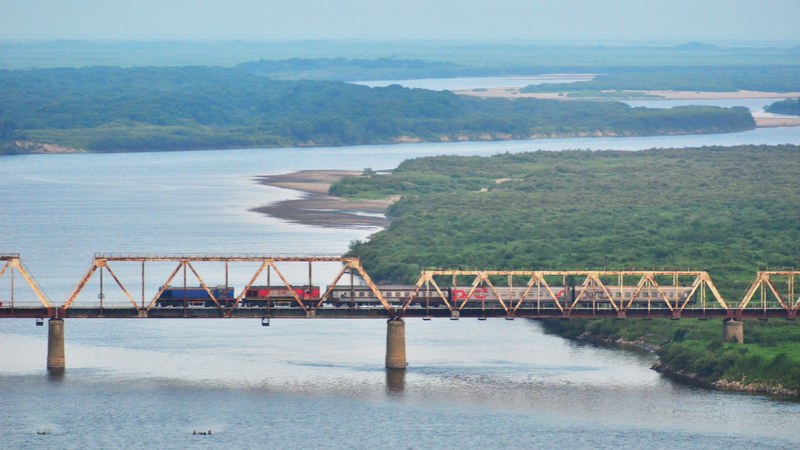
The main reconstruction effort was the replacement of the damaged Friesen Bridge, with Deutsche Bahn investing approximately €200 million in the project. The new Friesen
Bridge, designed by Schlaich Bergermann Partner, is Europe’s largest swing and lift rail bridge, measuring 335 meters in length. It includes a 145-meter swinging section weighing 1,800 tonnes. The bridge accommodates a single railway track, a footpath, and a cycle lane and doubles the passage width available for ships navigating the River Ems, facilitating easier maritime traffic compared to the previous arrangement.
Wunderline Corridor Upgrades and Investments
Alongside the bridge replacement, Dutch infrastructure manager ProRail and German counterpart DB InfraGO completed upgrades to tracks, signalling systems, and level crossings across the 173-kilometer Wunderline corridor. Trackbeds were reinforced to support higher operating speeds. The corridor enhancements
represent a joint investment effort involving the Province of Groningen, Niedersachsen, and Bremen. Construction work on the Dutch side concluded in August 2025, while the German Land of Niedersachsen faced criticism for a perceived “lack of urgency” toward the end of 2025 according to Railway Gazette International.
Service Resumption and Current Operations
Following the restoration, Arriva operates an hourly weekday service on the route, requiring passengers to change trains at Winschoten for most services. Through trains between Groningen and Leer run during early mornings, late evenings, and weekends. However, speed restrictions at Hurdegaryp and the need to swing the bridge open to allow maritime traffic
create vulnerabilities for delays to direct trips. The bridge remains accessible to rail traffic only during designated time windows.
Plans for Direct Groningen-Bremen Service
Authorities from Groningen, Niedersachsen, and Bremen continue to collaborate with ProRail, Deutsche Bahn, and other stakeholders on long-term plans to establish a direct train service between Groningen and Bremen without requiring passengers to change trains in Leer. This service would reduce journey time by approximately 15 minutes, with a proposed total travel time of 2 hours 11 minutes. Funding for double-tracking sections of line in Germany necessary for this plan has not yet been confirmed.